Sometimes it’s a fight to feel alive

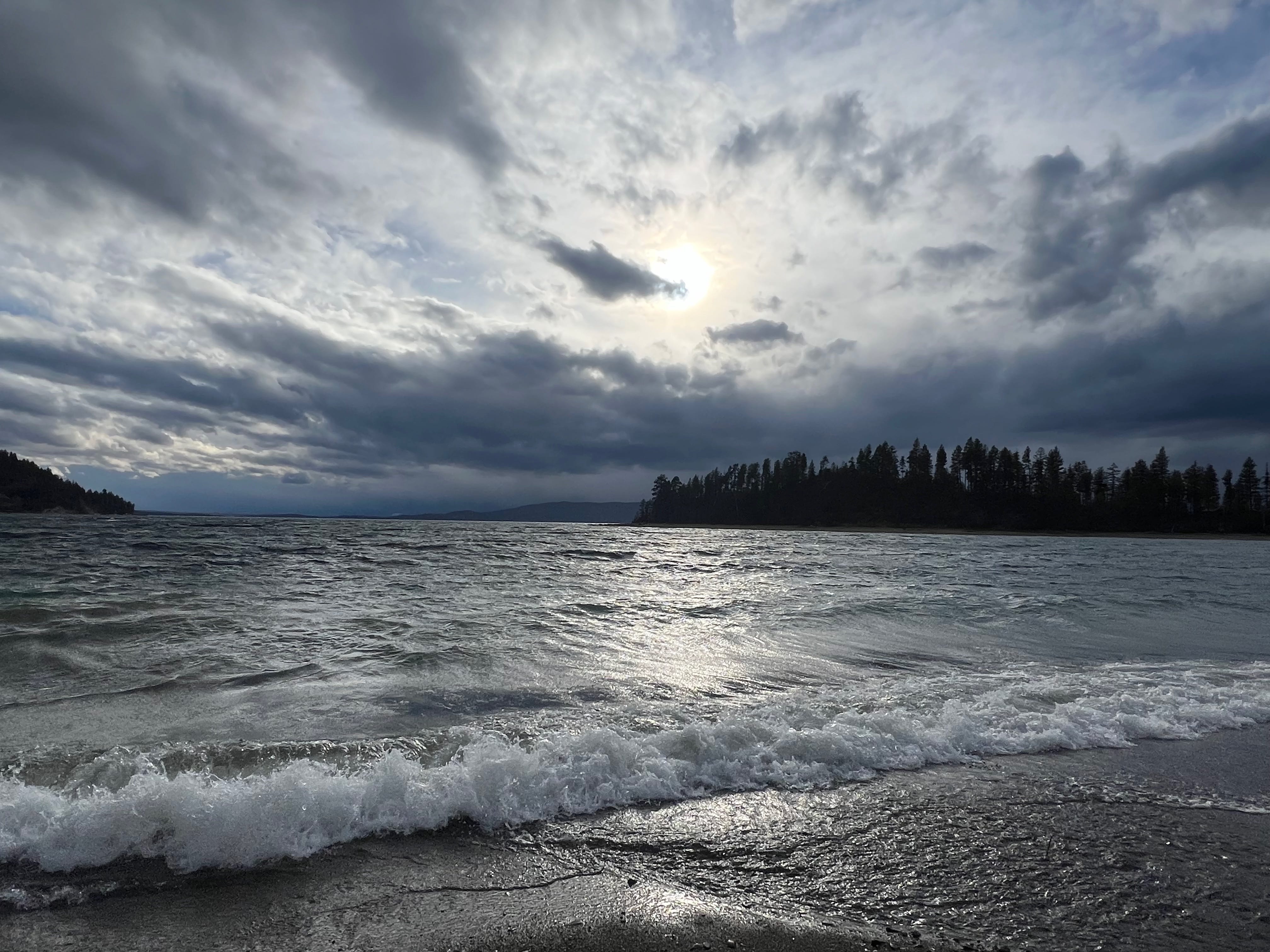
From Yellow Bay State Park, Flathead Lake, Montana

I desperately want quiet. That kind of quiet you get in the midst of a forest where even the pervasive whine of traffic is too distant to penetrate. I’ve spent all week wanting nothing but quiet, as I attended meetings and bought fidgets for someone’s birthday and cooked dinner and did dishes and woke up so, so early and hugged the quiet, candlelit hours to myself like an infant who’s finally drifting off to sleep.

In those hours, the need for quiet crashes in. Sometimes—often—the online world is so noisy that I feel like I need ear plugs. Mind plugs? Even without social media, the nudges for attention from online fracture my thoughts and focus and capabilities. I told someone once that being online reminded me of parenting toddlers, with every minute broken by some version of “mom, MOM, Mom.”

I grew up without television service, without even a telephone in the house until I was almost ten. I didn’t have a regular email address until my late twenties (one of my brothers-in-law worked at Google at the time, which is why I’ve had the same email address since Gmail was in beta—20 years now) and staved off switching to a smartphone for nearly a decade after they were released to feast on people’s time and attention. And yet here I am, 47 years old, with one kid nudging adulthood, metaphorically whimpering in a dark corner to get some mental space away from my devices and the needs of online.

Not everyone has these problems. I keep having this conversation with people, who often recommend turning off notifications—I did that in 2017 and never turned them back on; it’s been years since I allowed anything but texts and phone calls to nudge me—and don’t always seem to understand that the addictive design of these devices is all too effective for some of us. It doesn’t matter how many apps we delete.

I spent too much money purchasing a dumb phone last month, the only one I could find that works only in grayscale and doesn’t accommodate any apps. As I’m slowly weaning myself off of turning on my smartphone (the camera is still an issue), I remind myself of what my mornings were like when I didn’t feel its tug. For years I’ve turned my phone completely off at night, as I do the WiFi on my laptop, so that I can get up in the early hours and do all the little things that make me feel whole and connected without staring into the face of that bright screen first, but I can still feel its presence stalking me around the house.

It’s more than the smartphone. Online communication and interaction manages to completely drain me on a regular basis. This was one of those weeks, where I couldn’t get offline because that’s where my work is and increasingly felt like I was at a loud party full of flashing lights, bad music, terrible drinks, feeling desperately tired and thirsty because the water fountain was broken, but I wasn’t allowed to leave.

Next week I have three nights alone at my favorite forest service cabin, offline and away from electricity, and all I can think about is not how much work I might or might not get done, but an almost desperate need to sit by the river and not think or do anything. To watch the long, slow shifts of light at sunrise and sunset. To spend the middle of the night awake hour staring at the stars and Moon if She’s visible. 

I have all sorts of strategies to manage my relationship with digital technology, put in place years ago for my sanity, creativity, and, as I’ve written about before, because my humanity is more important to me than finding conventional writing success, and I don’t like the human I am when interacting with social media. 

None of those strategies are really enough, or maybe recently I’ve been feeling the press of it all more. I had a wonderful, long conversation earlier this week with a good friend and colleague about this particular platform, and ended up realizing how much more difficult I find to use ever since Notes was rolled out and the social media-ness of it has increased. That doesn’t mean I’m leaving it (I tried setting something up elsewhere a couple months ago but simply don’t have the technical expertise), but figuring out how to open a tab on my browser and look at it, even to read other newsletters I like, without feeling instantly disheartened and drained, has been difficult. I’m bolstered by writers like Amanda B. Hinton writing about which newsletters she reads for nourishment, and all the tremendously good writing and research and interesting ideas I’ve seen, and even friends I’ve made, that I never would have without this platform existing. There are ways to be in this particular space without feeling like it’s taking more than it’s giving. At least, I hope there is. I just need to figure out my own balance.

But it’s also important, I think, to keep in mind that no technology is value-neutral. How it’s created, built, deployed, used, and discarded matters. I saw a comment elsewhere recently that said we’ll learn to live with and benefit from digital technology “just like we learned to live with and benefit from cars” and I refrained from answering that comment only because at this point it makes me very tired. I wrote a whole book about what we’ve lost to cars and car-centric infrastructure, how much damage we live with because of cars and the loss of walkability. It’s a very good book, and I think an important one. 

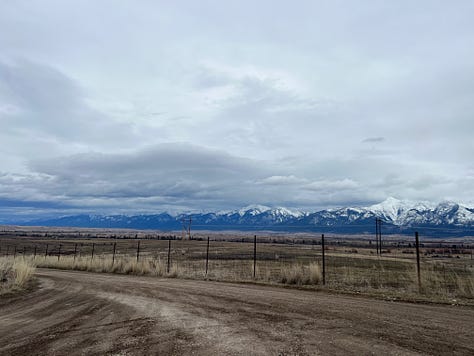
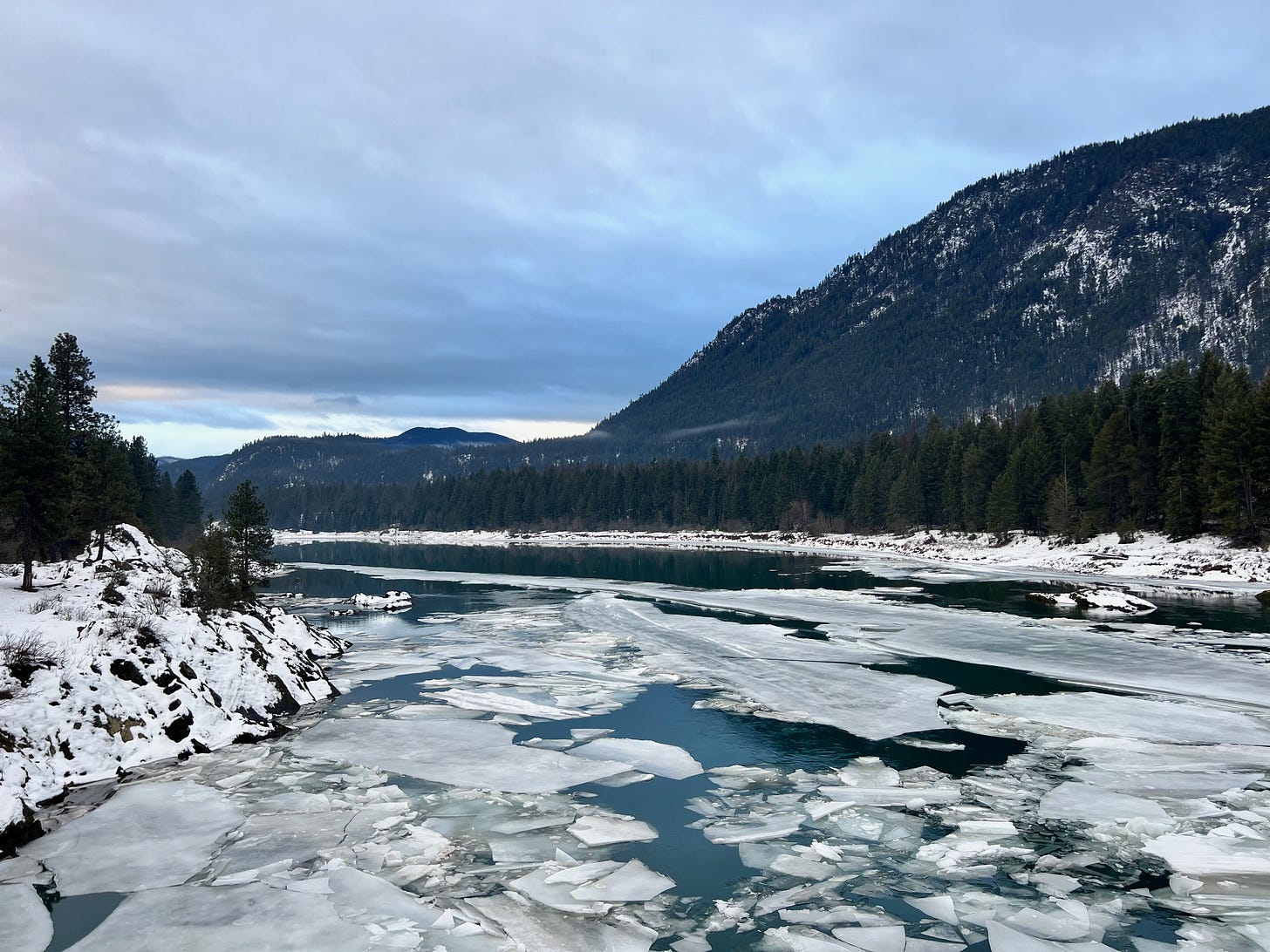
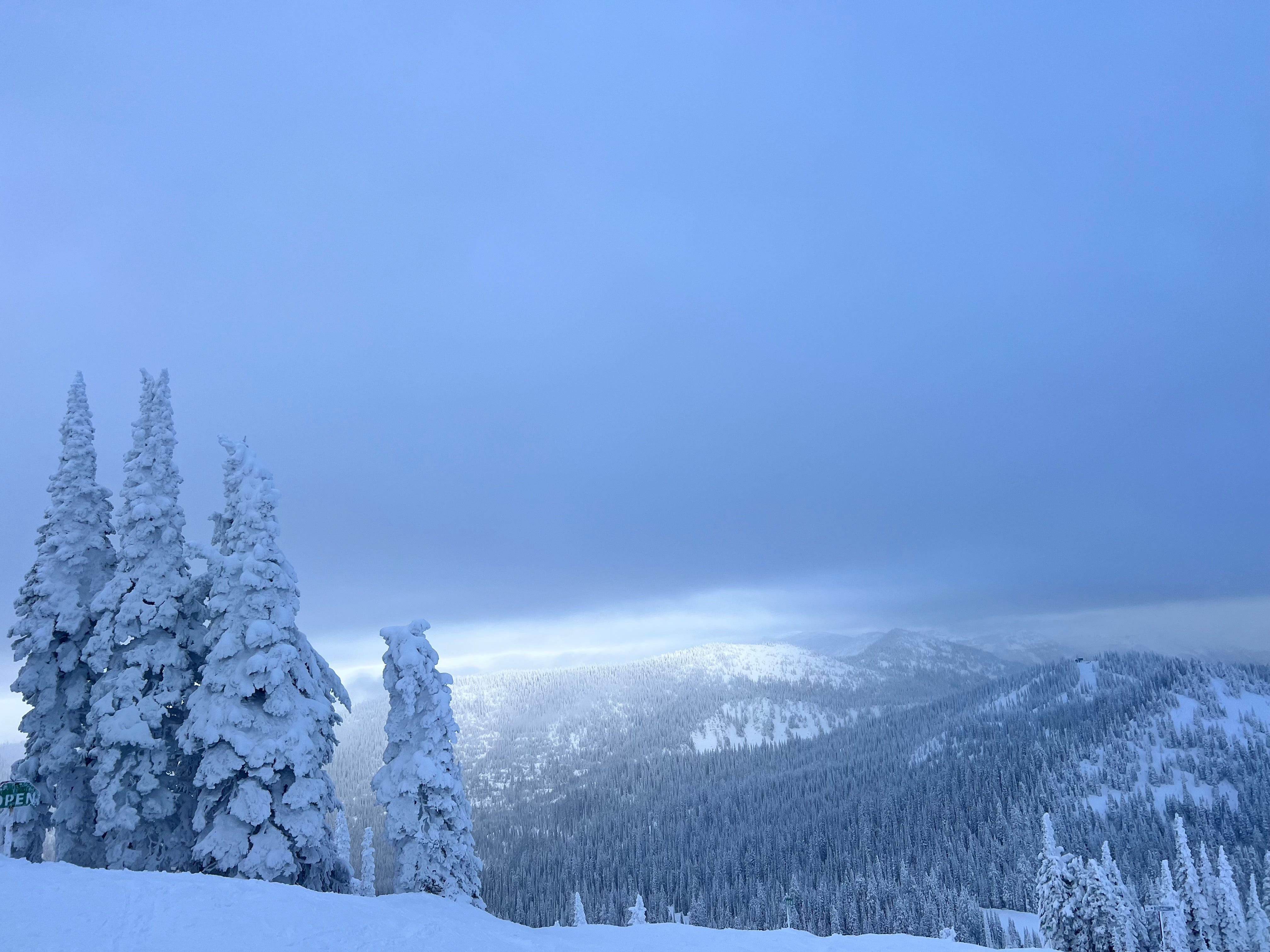
Funnily enough, when I sat down with my notebook to draft this, my intention was to mention my fractured attention and communication overload, and not write much at all but to share some photos of recent activities that keep me feeling alive and engaged with the world as I want to be in the world

In a way, that’s the crux of humans’ evolving relationship with technology—all technology, but digital in particular. In what ways can we manage to function with what’s demanded of us—and I use those words intentionally, because some people might succeed and even thrive in relationship with technologies, but there are always vast consequences unseen or unacknowledged or unimportant to people who benefit from them; most of life is simply trying to survive it—while being alive? Completely alive. Aware, conscious, attentive.

Every time I go to one of these cabins for days offline, or spend time in the wilderness, or go for a long walk along the river after school drop-off and before checking email, or spend wonderful, attentive time with a friend or few, it’s a fight not just for my own life, but for all of life. 

Aside from sharing research and ideas on private property, ownership, and the commons, I guess that’s what I’m trying to do here: share with you a love of life. The hilarious turkeys I can hear outside right now, and the very noisy magpie staring at me through the window, the way sunset last night melted its way through rumples of gray and blue-silver clouds, how the Milky Way has been visible the last three nights. The way the air doesn’t yet quite smell of spring and I’m holding on a little longer to my favorite season of cold and dark, the hours we’ve spent together in quiet aliveness. So maybe I’ll just be quiet for a bit and share some of that.


My brother-in-law and I recently took a wildlife tracking course together through Swan Valley Connections. As we approached the meeting spot, we slowed down for the awesome sight of a juvenile bald eagle feeding on a deer right by the side of the road. No photos of that (we were driving and he flew off), but we got to watch some bald eagle shenanigans for a few minutes before meeting up to go track wolves, mountain lions, mink, muskrat, and a ridiculous number of squirrel feeding sites (mounds of shredded pine cones), which I was so entertained by I neglected to take photos.

That same day, one of my college roommates, who happens to be one of my favorite people in the world and whom I haven’t seen or even talked with in about eight years, came to town with her boyfriend for a week, so I took some time off to drive them down to the Bison Range and around the entirety of Flathead Lake, which is gorgeous at all angles.

Doing things like these keeps me in touch with how I want to be spending my time. Not as an aspirational goal or some kind of self-improvement resolution, but because that’s what makes me feel alive. And isn’t that what life wants of us, really? To live with this world like we care about it.

Moon halo

This counts

The chickadees have been singing again and it’s time to order seed potatoes and onion starts. The year has barely had time to rub sleep from her eyes, and the frozen peaches are not even dented by my hunger for their winter warmth, and I feel like I just got the potatoes stored away in the paper bags and moderate temperature that seems to have—mostly—succeeded in keeping them edible through the winter.

How can it already be time to think of choosing carrot and lettuce seeds, of where to plant beets and how to make more room for green beans, of the soil’s stirrings and the young yawns of growing things in my garden? It might be months, still, before I can visit the sweetgrass and turn the soil, but it is time, already, in the midst of this winter, to be planning for the next.

I was away most of last week committed to what I’lll broadly call parental duties, long hours of chaperoning, most of which took place in the confines of a hotel my kid and I rarely left. By the time the commitment was done, my body felt stunned from lack of movement. I spent two hours on Monday walking through town and along the river trails, relieved at the sight of water, the freedom to wander, the flurry of chickadee-company, and the surprise of what might be a new construction along the riverbank.

The drive home had been painstakingly slow, through hours of fog that seems to mark most of this winter’s personality. I hadn’t seen Moon at all for what feels like weeks until three nights ago, moonglow through the fog, Her bright self mostly hidden from the skies I live under until the dark, dreamy hours of this morning.

I watched Her there for an hour, remembering what moonfall feels like and ignoring my usual routines. A few hours later, on our way to school, She was cast slight pink in the pre-dawn sunlight that crept out from behind the mountains. 

Who else, I wondered, might be watching that alpenglow wrap itself around Moon?


Why put all those words and observations on a page, why share them with you? What is this human urge to story? To shape the narratives we see around us, to call attention to beauty and comprehend grief? Why write? 

I’ve seen this question lobbed about since I was old enough to understand the concept of philosophy, if not philosophy itself. What is the compulsion to create? Why do we care so much? 

I don’t have any better answers than anyone else. All I know is that I become a grumpy, unpleasant person when I don’t write. It’s a compulsion. It’s joyous and beautiful, to be lost in a narrative, but it’s also demanding and ruthless. Writing left me once for a few months, just flat walked out the door. I had thought that if that ever happened, if I couldn’t create, I would feel bereft. I thought I wouldn’t know myself. But what I felt was free. I kept thinking of all the things I could do with my life now that I weren’t driven to shape them into narrative of some kind.

Writing came back after about three months of that release, as if wandering through the door after an argument: “I just went for a walk. Needed some air.” And there we were again, back in a lifelong need to story, to do whatever it is that happens between my interaction with the world I exist in and the way my mind—or whatever it is—decides those experiences and thoughts should sound, feel, taste.

Writing is very, very weird. 

The novelist Elif Shafak wrote recently of a 16-year-old girl in Afghanistan who loved to read, who dreamed of libraries and pizza and of meeting Shafak herself after reading one of her novels, and who was killed by a suicide bomber. 

“I am tired of being attacked and stigmatised and labelled by fanatics and zealots and ultranationalists only because I am a writer,” wrote Shafak.

“But when I feel so down and despondent, I think of Marzia and I think of every other aspiring novelist and aspiring poet in the world who were never given even half the chances that were provided to me throughout my life: books, bicycle, pizza, electricity . . . I will never belittle any of these. 

I have no doubt that Marzia would have become an amazing storyteller if only she had been encouraged and if only her life had not been brutally taken away from her. I feel like all of us in the writing community owe something deep and precious to all the Marzias on this planet. We owe them a sincere commitment to literature.”

Writing is weird but it’s also necessary and it exists far beyond any arbitrary measures of success and failure. I’ve written before of my stepmother’s great-aunt, the Russian poet Marina Tsvetaeva, and her life that knew little but hardship and brutal loss, and how throughout it she wrote poetry so meaningful and beloved that to this day there are museums dedicated to her all across the country.

At the end of my life, all I can ask for is that I’ve done the best work possible and used whatever skills and talents I’m fortunate enough to have to create something of beauty and meaning. Maybe one book, one essay, one single line, might reach the one person who really needs it.

“It is as simple and as powerful as that,” wrote Shafak. 

“The love of books and libraries and the joy of reading. This is all we need. This is why we keep on writing.”

There’s something more, too: that delight and spark that Marzia knew reading and writing held for her, the world-opening potential of stories that I remember feeling at her age. 

I think many of us write because we can’t help it, because it’s a jealous lover or a hunger that can’t be sated or whatever metaphor works for you. When that leaves us, even if it’s only for a while, we still have what’s left: we write for one another. And what a gift that is. Stories can break empires; they can tell our hearts we’re not alone. They make us laugh. They make us grateful to be alive.


It’s been foggy and somewhat rainy for days and days, but today the cold was biting again. I didn’t dress warmly enough and my fingers were numb by the time I dropped off my kid at school. 

As I was turning away from the building, blowing on my hands, I saw a cluster of ten-year-olds, their pom-pom hats wobbling as they turned, ignoring the school bell to send frosty breath up toward a bald eagle soaring low overhead. 

The crossing guard watched, and me, too, and we smiled at each other, and I held close the gratitude I always feel at the sight, at watching children hold their breath because they see a bald eagle and they know. You pause for such birds. The soul bows. And I hold the knowledge I wish these kids never to have, that my gratitude is weighted with the knowledge that bald eagles were almost extinct when I was growing up.

High on the mountainsides just outside of town, the first light of dawn brushed the snow, the same light that was coaxing alpenglow from Moon. A flurry of snow rose in the light, over three thousand feet above me, and I wondered which of those sunshot flakes will be the first to meet spring’s young strawberries.

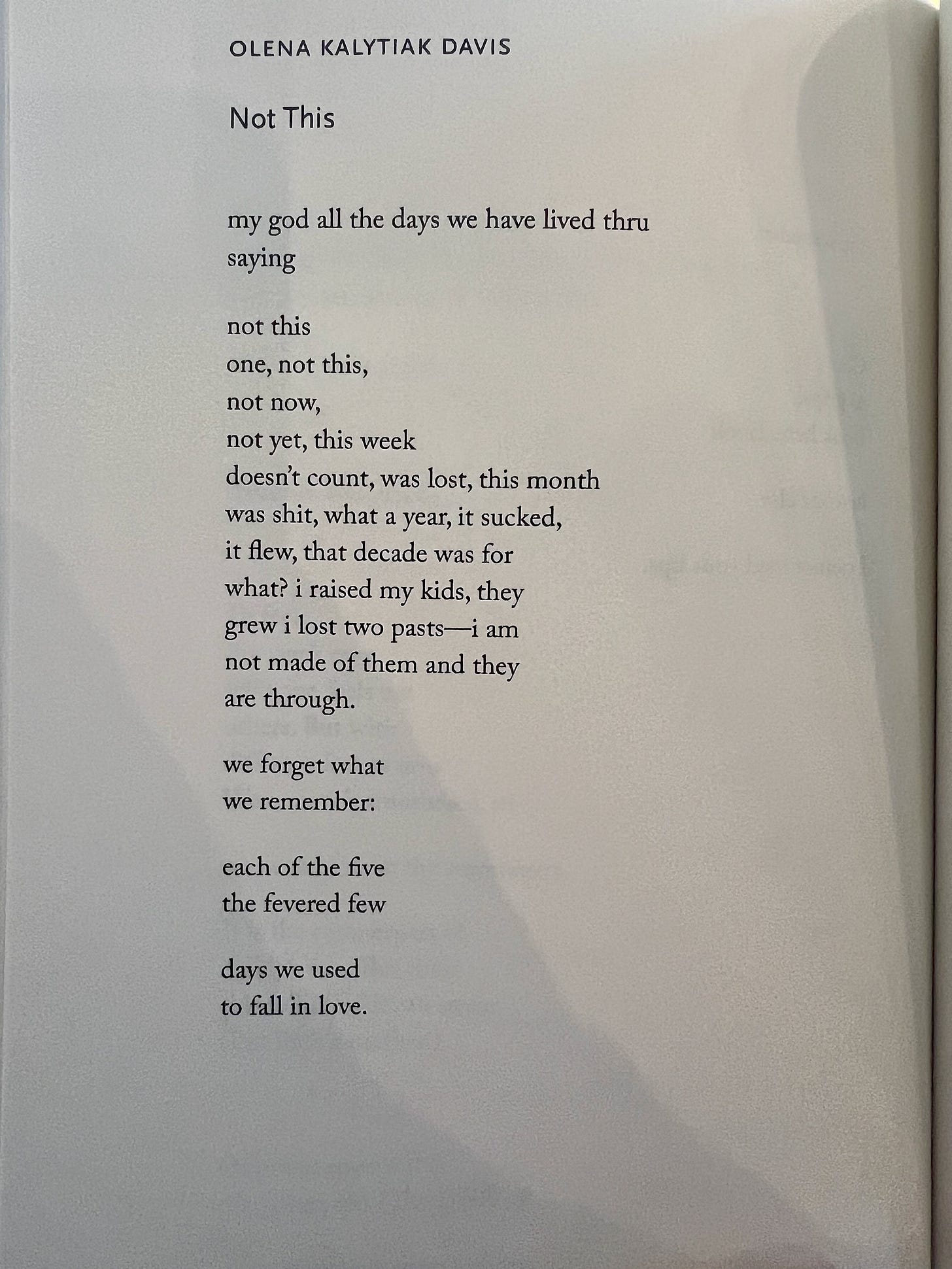
I received a surprise care package this week from a friend who knew I’d been going through some difficult personal things recently. Among tea and a kind note were two books of poetry. This poem, titled “Not This,” by Olena Kalytiak Davis, appears in one of them, The World Has Need of You: Poems for Connection, and I keep rereading it, finding something new to catch my thoughts each time.

For the love of winter

These snowghosts! I like to think of them watching over the winter-quiet ranges all the way to Glacier National Park (the peaks of which you can see from here on a clear day) and beyond.

Winter is my most joyful time. It came late this year. We didn’t get significant snow and it was barely what I’d call cold until a little over a week ago, when usually we’d have feet of snow by December, or at least mid-December. 

Winter is being driven out of much of our lives. Being aware of the shift in temperatures and the decreasing snow packs and number of snow days breaks my heart; trying to pretend it’s reversible at this point would break my brain. Maybe we find our sharpest, brightest shards of humanity in loving most fiercely what we know will be lost.

Last Sunday I shortened my usual early-morning routines involving coffee, greeting the morning air and sky and ground, writing by candlelight, and some other rituals, and threw my ski gear into the car to meet my sister and father up on the downhill ski hill just outside of town. It had been dumping snow for over twenty-four hours after weeks of winter being just out of reach and, while everywhere was still gray and foggy, my spirits were soaring. The Ramones’ “I Wanna Be Sedated” blasted too-loud in the car as I joined the line crawling uphill to chase a powder day.

By the time I’d finished making coffee, my phone had already gone off with texts from friends with ideas for the day. “Anyone want to join for a ski around Loon Lake?” “Snowshoeing in Glacier?” “Good day for a bonfire! We’re going to hike up the forest service road and roast brats.”

Not everyone where I live is a winter-lover. By March, many minor exchanges are guaranteed to have a complaint about wishing the snow would stop, or the inversion layers would lift and Sun make an appearance. But aside from difficulties that many have with the near-perpetual gray skies, which can bring on an undeniable depression (not for me but for many people), I’m fortunate to feel surrounded by people who, like me, seem to come alive in winter.

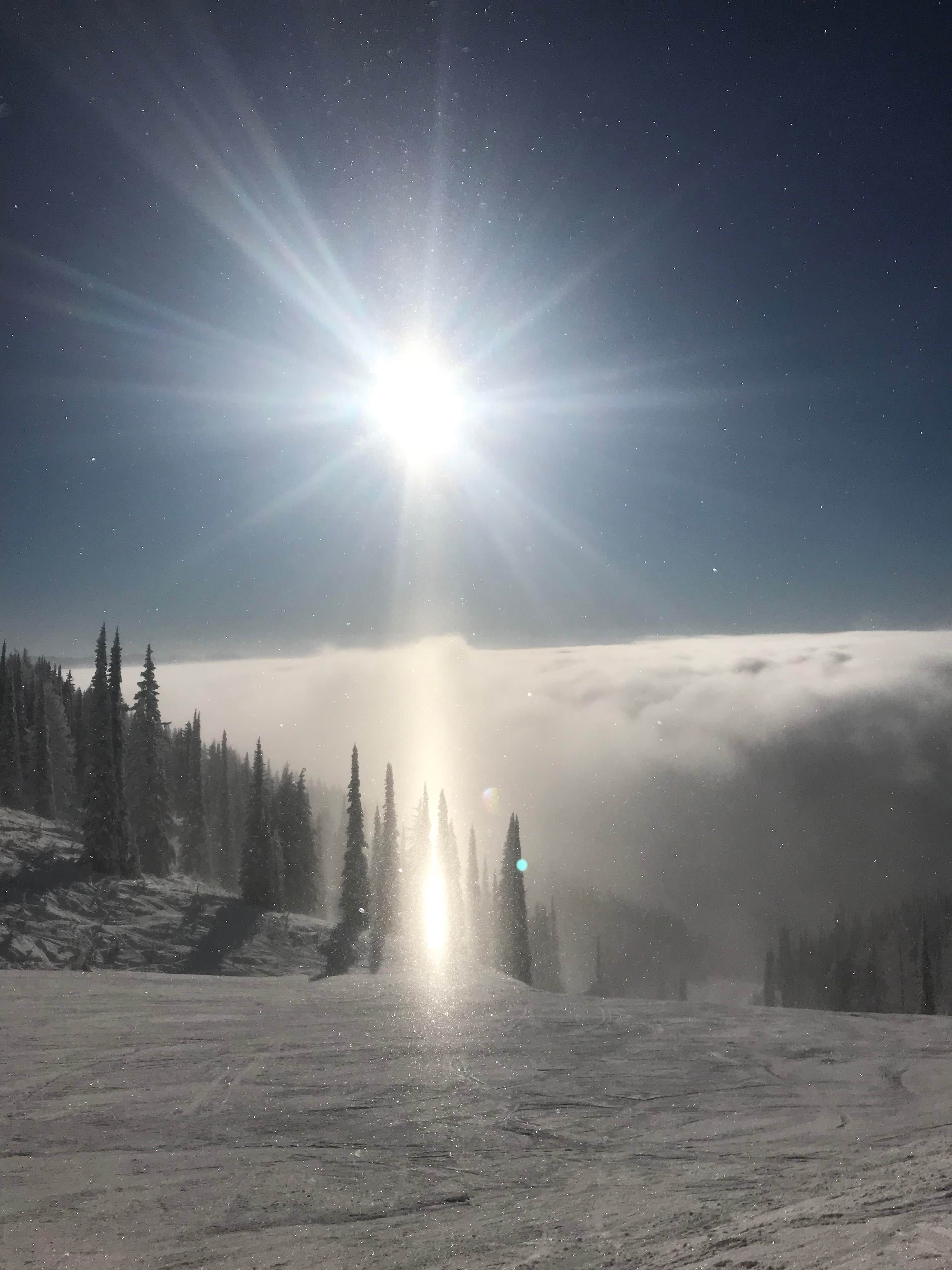
I love the cold and snow of these months, and mourn their passing even while delighting in spring. The long, dark nights are like a blanket to wrap up in. The overcast skies for weeks on end don’t bother me much, though I do find a surge of energy overtakes me that one day in February when Sun comes out, and the three nights I’ve seen Moon in the past month—I’m looking at Her right now!—have brought me pure, intense joy. The beauties of winter, which Freya Rohn portrayed lovingly in poems and photo-poems in The Ariadne Archive, work their fractal way through my imagination and attention like so much flower-frost on an old window. The magic of winter is unparalleled, from the fox tracks my niece and I part-followed on our route to school last week, to the sun halos that burst out every few years on the ski mountain.

Sun halo and sun dogs, from 2021

Nothing makes me believe more in something more about our existence than Nature herself, Earth herself, Moon, Sun, trees, rivers, ice rime on a ponderosa pine, coming across a snow-covered bear den or snowshoe hare tracks when out hunting, a glorious sundog following me all day around a ski mountain—all of it, themselves. No matter where we originated in this world, there have always been forces and delights and entities to remind us that what we call creation or life is always in the process of becoming, and astonishing us. To feel humble before it all, and love for it all, might be our greatest calling.

This weekend has been bitterly, unbelievably cold. I’ve experienced this kind of cold before but not often. Thursday and Friday nights were around -58°F (-50°C) with wind chill, and it was very windy. Saturday morning dawned with -31°F (-35°C) even without the wind, but there was no wind, and with Sun making a rare appearance it was one of the more beautiful days I’d seen in a while.

Frostbite is a real issue, as is hypothermia. So are cabin fever and depression. I take all of it seriously. After spending Friday mostly crawling out of my mind with near-claustrophobic irritability from staying inside, on Saturday I dragged a heavily bundled and face-wrapped kid out for a walk, and then spent an hour by myself sliding around the neighborhood on cross-country skis a friend had lent me for a couple of weeks.

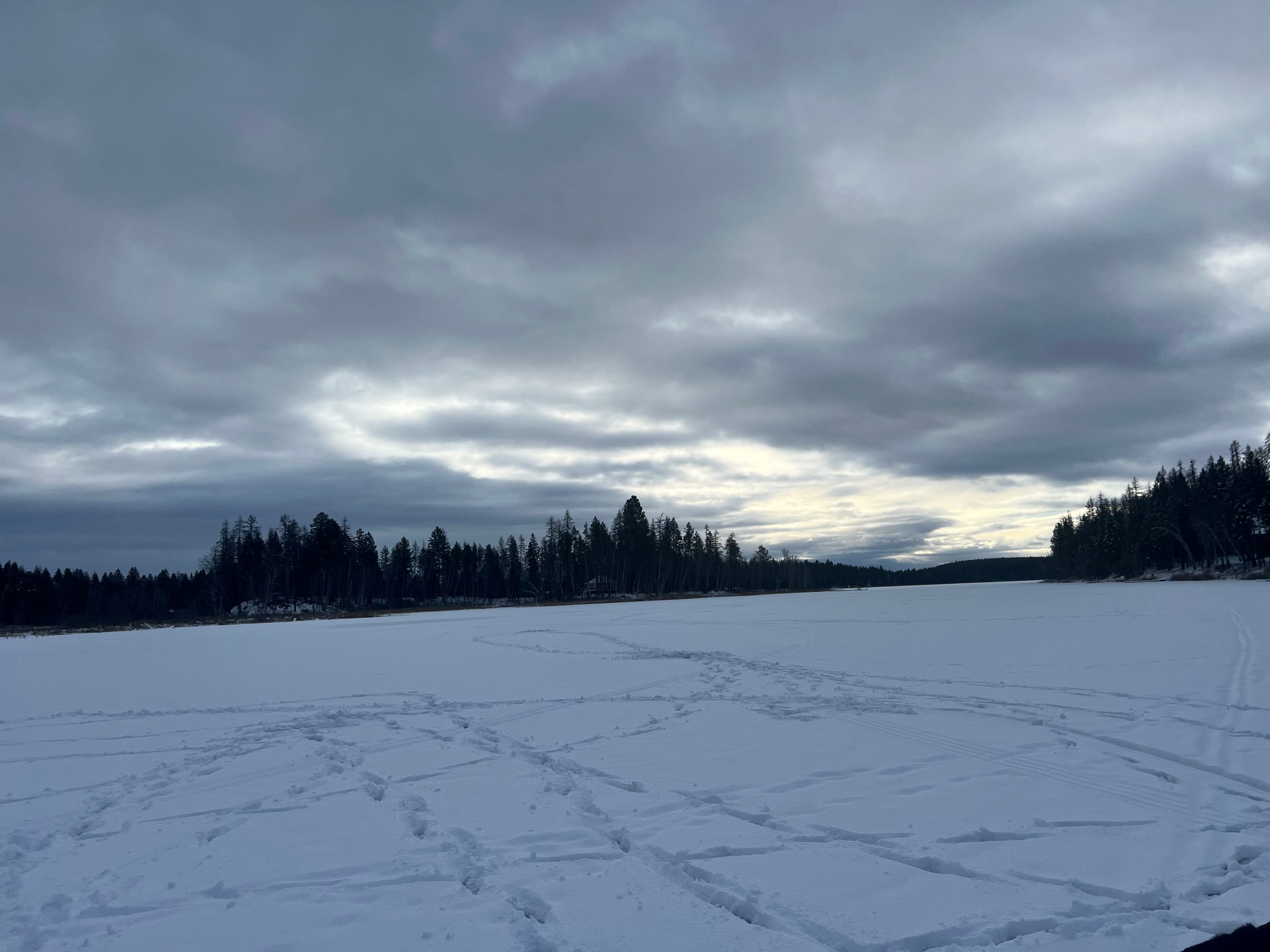
This friend and I had gone cross-country skiing on a nearby lake before the cold front came in. Her dog romping free across the ice and snow, we sh-slshed among silent woods under a rumpled silver sky for a little over an hour, sometimes talking, sometimes just skiing. I haven’t felt that good in a long time, like I was convalescing from a severe illness and was rediscovering what it was like to move my body through the world.

I’ve been meaning to get back into cross-country skiing since moving back to Montana nearly ten years ago, but with kids and work and life in general, haven’t managed much of it. Luckily, most of my close friends are avid cross-country skiers and started getting me out last year. Skiing is one of my favorite things to do, whether downhill or cross-country, but the environmental impact of downhill skiing, which I started doing at the age of two and enjoy more than almost any other activity, has been weighing on me for years. From energy consumption to broken wildlife habitat to the economic inequalities that tend to explode in ski resort towns like mine, it’s a lifelong pleasure whose real-life impacts are impossible to ignore. Even most ski wax contains endocrine-disrupting PFAS chemicals.

Cross-country skiing brings similar joys without nearly the impact (not to mention cost), and is something people have been doing without chairlifts and heavy-duty boots for centuries. Some of my favorite scenes from Sigrid Unset’s trilogy of novels Kristin Lavransdatter, set in 14th-century Norway, involve Kristin strapping on a pair of skis and heading off into the woods alone. 

There are bigger changes to make than giving up downhill skiing, but I’m looking forward to shifting more of that time toward those quieter snow-graced days. For however many years we continue to have snow to treasure, I hope to spend more days sliding quietly across land and water untouched by grooming machines.

Silent lake-skiing under a rumpled sky

Who knows how many true winters my part of the world has. All I know is that I’ll welcome every one of them, every hour toward Solstice added to beloved darkness and starry nights, visible or not, every flake of snow that makes it from the clouds to land on laden spruce trees, every story told in an animal’s tracks, every footstep or glide of skis, every frosty breath and peek of Moon from overcast skies, every ice crystal refracting light to result in a sun halo, every single moment of creation that persists in living and creating despite the worst that humanity tries to throw at it. Every bit of it that reminds me I am an evolved animal capable of living joyously on a planet very much alive, and that I intend to do so.