When I was in sixth grade, ten years old, my family moved briefly to Chico, California. My father, then an electrical engineer, had gotten a job there after being laid off from his firm near my hometown—Belgrade, Montana.
I was only in school in Chico for two months, but my teacher, Mr. Davis, made a lasting impression on me. Even at that age it was obvious how hard he worked to give everyone in the class an education tailored to their needs and strengths. Nearly forty years later, I still have my Davis Dollars, which he used as a reward system with which we could purchase certain classroom privileges, and I still remember his kindness, energy, ability to connect with kids, and his creative, innovative lessons.
One of those lessons was to write instructions for how to make a peanut butter and jelly sandwich. For an alien.
That is, imagine an alien is visiting Earth for the first time and wants to know how to make a peanut butter and jelly sandwich, and you undertake to teach them.
It sounds simple, but anyone with some experience of algorithms, coding, and perhaps teaching will know where I’m going with this. How do you explain bread, or peanut butter? What about “knife,” “slice,” or “spread”? How do you make the instructions comprehensible to an alien, who has no concept of objects, actions, or ideas you might consider basic?
The lesson was a very early one in computer programming—this was in 1986—and would haunt me in college. My undergraduate degree was in mathematics, which required me to take and pass one computer science course. I dropped the class twice before barely passing it a third time, and each time was reminded of the difficulty I had as a ten-year-old breaking sandwich-making instructions down into granular, specific enough steps that an alien could follow them.
Though mathematics and propositional logic were always difficult for me, they were still far more accessible than computer programming. Programming, counterintuitive as it might seem, has something of the narrative about it. How do you break human relations, actions, and expectations into specific, step by tiny step instructions usable for a computer system?
The peanut butter and jelly sandwich has its corollary in one of the most referenced episodes of Star Trek: The Next Generation, “Darmok,” in which Captain Picard must learn how to talk with a species of people who communicate only in metaphor and allegory, using references to stories and myths specific to their own culture.
It is remarkably difficult to understand another human being’s thoughts, motivations, and ideas even amongst people who share a common language. We each carry our own vast experiences into every interaction, mapping our own needs, wants, fears, expectations, and unacknowledged trauma responses onto others.
As someone who writes about complex ideas that counter dominant narratives, particularly regarding private ownership, and perhaps even more as a longtime editor a little obsessed with the worlds and histories contained in every choice of word, this idea of comprehension, and its relationship with compassion, is something I think about all the time. When is compassion enough? When is comprehension necessary?
It’s fascinating, and disheartening, to consider how different, even oppositional, people’s information bubbles are, and how impossible to reach any kind of shared understanding if one’s own comprehension of reality is completely different than another’s.
But there is power, too, in spending time with that difference. I don’t just mean for empathy and understanding, though there is that. I mean for clarity and where to focus one’s energies.
I, for example, live in a small, politically progressive-leaning town in a northwest part of Montana dominated by hard right-wing beliefs, particularly Christian nationalism and anti-government extremism. I pay a lot of attention to local news and issues, far more than I do to national. Doing so is important for many reasons, one of which is that I know which battles I’m not going to win, and why.
Our right-wing county commissioners, for example, do not believe in zoning regulations or in spending government money (except, evidently, on their own salaries). If I want to see a county-wide bike and pedestrian system and actual regional public transportation someday, which I do, it helps to know I shouldn’t waste my energies on arguments focused on good uses of government funds, not with people who believe government funds shouldn’t exist.
And there is no point using arguments for tax policy, universal preschool, bodily autonomy, health care, and other issues that focus on how they affect me as an independent female trying to make a living and support her kids, with locally elected state officials who believe that I should do nothing more than raise those kids and keep house for the husband I never should have left.
If I want to make any headway with those legislators, or more to the point with the people who vote for them, I have to understand that they don’t see me as human, as worthy of equal rights and freedoms, and act accordingly.
The reality that women have been treated as subhuman, disposable, and ownable for at least five thousand years makes this galling, but for the purposes of making any kind of change, at least at the local and regional level, my rage and disgust are only useful if they’re aimed in the right direction, or at least framing the right narratives.
You can’t teach someone how to make a peanut butter and jelly sandwich if you don’t know how concepts like “peanut butter” or “sandwich” appear in their own minds.
Likewise “freedom,” or “humanity.”
One of the books I read over the last few years that became a touchstone for me was James P. Carse’s Finite and Infinite Games. In it, he plays with many ideas I find intriguing, all circling around the concept of how to live, framed as being a player of games. Of Storytelling, he wrote,
“Storytellers do not convert their listeners; they do not move them into the territory of a superior truth. Ignoring the issue of truth and falsehood altogether, they offer only vision. Storytelling is therefore not combative; it does not succeed or fail. A story cannot be obeyed.”
And while there are an infinite number of finite games,
“There is but one infinite game.”
The photo at the top of this essay was taken on American Prairie land about 400 miles—around 640 kilometers—east of my home. I drove out there to spend a week, for a writing assignment, and spent most of my time thinking about relationships, between people, between humans and animals, between animals and ecosystems, between myself and that place.
It was a place, and time, where I got to linger in the concept of what it feels like when energies are given to relationships and repair, when they’re given to life and how it interconnects, including with humans.
I don’t think of life or society or culture as a game—the phrasing feels to tech-bro-ish maybe, or maybe game theory was, like computer science, a subject I was never much good at—but I still like Carse’s idea of finite and infinite games as a clarifier for living.
For me, and something he alluded to throughout the book, the only game worth winning is the one that enables life to keep living. Teaching an alien to make a peanut butter and jelly sandwich is a finite game that might or might not be worth doing. Working toward a world in which everyone has enough to eat, not limited to peanut butter-and-anything sandwiches, or even just to sandwiches, is a larger finite game that almost always supports the infinite one. And understanding? What seeks to comprehend, to know another, to soften toward their heart and their suffering? Maybe that’s the infinite game, one we only see glimpses of.
The infinite game sees a world whose laws are relational and life-supportive, where we are all kin with all of creation. And act accordingly.
Thanks to B. Lorraine Smith for a prompt tthat reminded me of that peanut butter and jelly sandwich assignment!
Lower Two Medicine Lake, Blackfeet Nation, Montana, host of the 2025 black/death metal music festival Fire in the Mountains
Some years ago when I still lived I upstate New York, I began working at a sawmill. I had two very small children at the time, and had never intended nor desired to be a full-time stay-at-home mom, not to mention be one and working at the same time (due to the full-time stay-at-home mom reality, most of my work happened in the middle of the night, a capacity I no longer have). But I was doing exactly that, and rapidly dying inside because staying at home with children all day is not, to put it mildly, my calling in life.
One of my kids went to part-time preschool twice a week at a nature museum, which also offered adult classes like beekeeping and wild foraging, both of which I took—out of curiosity but also to stay sane—along with rustic woodworking, an activity I’d never imagined myself doing. I am the kind of person who can’t be trusted with a table saw or even, frankly, a spirit level. The rustic woodworking artist who taught the class introduced me to New York Heartwoods, a micro-mill run by a woman (coincidentally, also from Montana) who’d bought a Wood-Mizer LT40 and specialized in milling wood from downed and diseased trees on public and private land.
Working at the sawmill a couple days a week—interning, really, since I was there to learn and wasn’t being paid—helped keep me from going completely numb, from depression and dissociation from life, and it got me into research on embodied learning, but I was also intrigued by the mill’s mission: the owner only worked with fallen or scavenged trees. The point of the mill was to introduce circularity within the wood milling system, which fit right in with efforts I’d been making toward supporting local food systems and fending off long-term despair over single-use plastics.
We worked with a lot of city Ash trees felled by emerald ash borer, and Cedar that had been cleared from farm fields. I spent one entire day planing Cedar planks for someone who’d rescued them, already milled, from her family’s farm and was making an art installation out of them.
Rescued Cedar planks, before planing down to their gorgeous hearts
Another time we spent most of a cold, snowy day dragging out enormous old beams from a fallen barn, taking them back to the mill to be sawn into boards that would be lightly sanded and used to make shelves.
Reclaiming beams from a fallen barn. That’s me in the blue coat and black hat, sometime right before or after I punctured my leg with a 100-year-old nail and went to get a tetanus shot. Photo credit: New York Heartwoods.
The mill’s shady, forested yard was full of beauties, every one of them cared for, whether already milled and kiln-dried or not. I don’t ever plan on moving away from Montana, whose forests are full of soft-wooded Pine and Fir, Aspen and Spruce, but do sometimes miss working with hardwood.
One day, we were milling reclaimed beams from an old barn for a client. Old barn beams are a pain because they’re often full of nails—long, heavy, rusted nails that are hard to spot. We ruined a few blades as hidden nails made it through and wrecked the metal, and finally gave up. That barn beam went back to its owner, or maybe to a scrap pile, joining the piles of beautiful wood resting around the property, testimony to one woman’s commitment to making sure their lives continued.
Barn beams can be a nemesis, too
It only occurred to me later to wonder why we hadn’t taken the time to look for and remove the nails ahead of time, why we sacrificed several saw blades and in the end the beam itself rather than take the time to remove as many nails as we could find and make the wood workable again. It obviously would have been a waste of time, but then again, the entire endeavor could be classified a waste of time, if all we use for measurement are the standards of capital and efficiency.
A couple months ago I succumbed to the urge to crawl through all the essays and posts in this newsletter, starting from the very first essay in late summer 2020, about Marcus Aurelius and my own cognitive disconnects around the U.S. invasion of Iraq, when my older sister was still in the military.
I ended up deleting almost 200 out of nearly 300 essays and posts. Some were from before Substack launched its Twitter-like Notes platform, and were brief photo + quote + sentence or two “walking compositions,” a practice I’d migrated over from my deleted Instagram. Many posts I thought were pointless, and others need more revision work. The ones I kept, I’m slowly revising and recording audio for, since I only started doing audio versions in late 2023 (I’ve made my way through nearly 20, starting from the beginning).
This was actually a super fun process. I played around with my work, scrawling all over posterboard with Sharpie markers, in a way I haven’t in years.
Many of the posts and essays I deleted, I saved in offline Word documents, collecting them by theme. By far, the largest of these collections is one I’ve labeled “Abundance and Commodification,” with over 40 pages of text. Some of what I’ve rewritten here about my time working at a sawmill are lines scavenged from that document.
Out of all the writing I do on the commons, the complementary topics of abundance and commodification—of food and seeds in particular, but of everything in general, including labor, creativity, and ideas—overwhelms the amount I have written about land ownership, which surprised me because I feel like I never shut up about land ownership, and repeat myself to a tiresome degree.
Something about rereading all of those words and stories, and collecting together the ones that I felt needed more editing, or perhaps shaping into a larger, more cohesive project, reminded me of my faith in storytelling, how deeply I believe in its power, and in the world’s need for it. For more stories, stories with heart and truth, as many as possible from as many different perspectives as possible, especially from voices, people, and places who’ve been heard the least. Every iteration, not for the purpose of telling anyone else how to feel or what to think, but sharing the unique experience of what it is to live one’s own individual life. The joy, the pain, the traumas, the grief, the love, the visions and losses and hope.
I don’t think we can ever have enough ways to help ourselves feel what it’s like to live in someone else’s experience.
Yet it often feels like the world is awash in stories. Good stories, important stories. Stories we need to hear and stories we need to tell. Fantastic fiction that opens up possibilities for imagining different ways of living; investigative reporting that unfolds the truth of the world. I have been floored by the work of brilliant documentary filmmakers, by novelists who are bona fide geniuses, many of them personal friends.
And what changes?
It is very easy for the path opened up by that question to lead to despair. I’ve been there myself more than once—I’m there myself more than once on any given day, and I don’t think it’s solely a genetic half-Russian Jewish fatalism. It’s looking at the world, and humans, as clear-eyed as possible. It’s seeing people I believed in and trusted coopt genuine need and good causes for their own benefit; it’s seeing the hard work of millions crash against the walls of capital and power.
But down that path is also possibility. My father used to say, and still does, that the biggest problem in the world is lack of imagination. He meant a capacity to place ourselves in other people’s lives and experiences, a capacity for empathy. It’s both true and bigger than that.
Every story shared is a chip in the systems and structures that seem unbreakable and insurmountable. Most of the time we don’t see what’s changed until long after the fact. Real life isn’t a Hollywood apocalypse movie with sudden shocks to the system and people screaming for the walls. We’ll never know what cracks it all open. But those stories, that work, looking at life slant and seeing what can change, that’s how the light gets in.
After taking my first rustic woodworking class, I couldn’t get enough of working with the diversity of hardwoods that grow and fall in the U.S.’s northeast. I learned about the different high-end uses of varieties of Maple, and how bad Black Locust smells—there is no other way to say it but that Black Locust smells like ass—but also how useful it is. Black Locust is so hard that it can be used in decking. It’s like cement board.
I learned how bacteria and fungi cause spalting and how beautiful its black lines are lacing through decaying stumps or sawn boards. In midwinter, the mill’s owner sent me on a day-long chainsaw safety course, where, after several hours of learning to care for chainsaws and safety equipment and looking at photos of people who’d had horrifying accidents, I stood in knee-deep snow and cut down a Pin Oak. I decided I never wanted to use a chainsaw again because I am clumsy and it was terrifying.
The entire project of New York Heartwoods was at core anti-capital. It was inefficient, time-consuming, space-consuming. Slow. Laborious.
It was an enormous amount of work simply to find markets for the wood products, much less retrieve the trees and logs and mill and kiln-dry and shape and sand it all. That entire day one employee and I spent planing someone’s recovered stack of Cedar planks? The client probably could have bought something similar from IKEA for far less money than that day’s labor cost. Even though I was working at that sawmill for free, nobody else was.
But that’s the point. The work was slow and laborious. And smelled heavenly. I could eat my winter-cold sandwich on a stump of spalted Sugar Maple and smell the melt-snow damp of coming spring. I could peek into the kiln and its stacks of Ash boards. I could do work, and feel alive while doing it.
What does efficiency in our lives get us? The question sits like an invisible monster in the center of capitalism: if “the economy” isn’t there to serve human and ecological well-being, what is the point?
If working with wood by hand gave me and others pleasure and satisfaction, and gave clients connection to their ecosystem and its cycles, why not engage in that kind of work? And why are we prevented from doing that work simply because it doesn’t provide enough income to feed our families?
It’s the reason I recommend reading Wengrow and Graeber’s book The Dawn of Everything as a balm for despair. Or at least listening to interviews about it, or reading summaries. Whatever works. It’s an enormous book and what’s important is the message behind it: there have been countless ways of forming human societies over the past several thousand years. Just because our current industrialized culture feels like some kind of inevitable endpoint doesn’t mean it’s true. Those endlessly varied histories remind us what might be at the core of true freedom.
It also gives an opening into that question, “What changes?” Well, a lot can change. We never know how, not completely. Working toward change for the better doesn’t guarantee success, nor does it guarantee lack of pushback, but without stories we don’t even know how to imagine something different.
I heard someone recently—one of the tarot readers I follow on YouTube—talk about leaning into fear with curiosity. Despair, too, I suppose. That’s where we can find self-empowerment, and perhaps an entirely different way of perceiving both problems and possibilities.
Like in K-Pop Demon Hunters: perhaps a failure to seal the Golden Honmoon isn’t a failure at all. Maybe it’s a way to discover something more powerful and more honest, with a capacity to connect us all.
Me making a bowl out of discarded Maple and an axle grinder in the workshop of Dan Mack, rustic woodworking artist, where I found something akin to hope, by working with my hands at one of the lowest points of my life.
True wealth lies in the freedom to roam, and the freedom to leave—and survive. (Hike down from Nasukoin, near my home in northwest Montana)
“Oligarchy is based on the notion that those who are unequal in one respect are in all respects unequal; being unequal, that is, in property, they suppose themselves to be unequal absolutely.” –Aristotle, Politics, 350 BCE
My last year of college, I applied for a coveted internship at a relatively prestigious literary magazine in St. Paul, Minnesota. When the acceptance arrived, I was excited for all of a few hours.
Then it came home to me that the internship—as is the case for most internships—was unpaid. The editor who’d interviewed me seemed surprised when I called later to ask about the possibility of even a small stipend.
It was the final semester of my final undergraduate year. I’d taken the previous semester off of university and moved back to Montana to be an adult around for my younger sister, who, at fifteen, was in high school and living for the most part alone (long story). Before that, I’d been working up to five different jobs at a time to support myself through college.
The week I was offered the internship, I went for a long walk with someone I’d been friends with since our first confused, heady days of freshman year. He bought me a sandwich and listened to me angst about whether or not I could afford the money—and the time—to work at a job I’d probably enjoy but for which I wouldn’t be paid.
It wasn’t possible, I already knew that, and at the end of our walk we parted at the door of the family diner where I’d been working as a waitress the previous year—a job I took because making tips got me a lot more rent and grocery money than the coffee shop I’d worked at my first two years of college.
So I turned down the internship and waited tables instead. Every now and then another waitress and I got together at her apartment to paint our nails and watch Xena: Warrior Princess and I tried not to think about who got the assistant editing position I’d been so excited to be offered.
The advantages of wealth and privilege get mentioned a lot but not usually with much substance. I’m not sure how many of us truly understand how wealth accumulation turns into power, influence, and status—the literary world is only one small example of how the financial freedom to work for free gives a person entry and connections in all directions, from publishing opportunities to awards and grants to the strange situation that’s evolved in the past couple decades where “writer” is in many places equated with teaching workshops almost more than it is with publishing, or even with the act of writing itself.
But this isn’t only about the writing world. It’s about money, and power, and their feedback loop.
It took me months to even sit down to write a first draft of this essay because the subject bumps against one of my own failures of imagination: it’s very hard for me to understand how millions, or even billions, of people don’t understand how accumulation of wealth leads to accumulation of power, and how the combination leads inevitably to large-scale human oppressions, environmental degradation, and almost every kind of injustice and inequality.
The combination of power and wealth has always led to the failure of societies, and in their current iteration are leading quickly to the failure of the human species.
In the month or two before the November 2024 U.S. presidential election, I picked up David Herszenhorn’s book The Dissident: Alexei Navalny: Profile of a Political Prisoner, about the Russian dissident and anti-corruption activist Alexei Navalny.
Navalny became internationally known after surviving an attempted poisoning, likely ordered by Russia’s top leadership, and then running for president of Russia against Vladimir Putin. But the core of his work was always about corruption. His investigations and fiercely productive blogging activity focused on business deals that benefited government officials, their families, their friends, their friends’ families . . . almost always at the expense of the Russian people and Russian land, whose natural resource wealth of oil, timber, and minerals was not-so-quietly but very quickly privatized by those already in power, for their own gain, in the years following the 1991 collapse of the Soviet Union. Those who benefited most from the privatization were, largely, either those who had held power in the Soviet Union, or people connected to them.
Vladimir Zelensky, an actor and comedian who was elected president of Ukraine after starring in a very successful comedy show about a teacher whose anti-corruption rant went viral, resulting in him unintentionally becoming president, came to fight internal corruption and the influence of Russian wealth and power as the real-life leader of Ukraine.
Navalny was most likely murdered for his anti-corruption work. Zelensky’s country was invaded in 2022 and continues to battle an army of Putin’s soldiers, many of whom were forced into fighting. I’ve heard plenty of stories of disobedience turning into forced conscription that I can’t even share publicly.
And in January 2025, the U.S. government faced, and quickly folded to, a hostile corporate takeover in which the wealthiest person in the world for months wielded the power to fire anyone employed by the government, from wilderness trail crew workers, to people monitoring clean drinking water, to core staff running the power grid of the entire Pacific Northwest.
Everywhere you look, a combination of wealth and power seems to be battling to control more of the same—and winning.
Of course I want to burn it all down. Don’t you?
The problem with that is, as I’ve written here several times before, whenever entire systems and structures are burnt down, it is nearly always those most at risk, those who’ve suffered most, who end up suffering more.
The accumulation of wealth leads to rule by oligarchy, but it also provides those with power the means to protect themselves from inevitable resistance, even mass violence, the French Revolution notwithstanding.
A political cartoon showing Maximilien Robespierre guillotining the executioner after having already guillotined everyone else in France. A commentary on the Reign of Terror. Unknown author, c. 1794, care of Bibliothèque nationale de France.
Whatever system arises from the rubble, those who’ve previously accumulated wealth usually have the means to maintain their power structures, or rebuild them all over again.
In his book Black Sea, Neal Acherson described the strange self-protective quality of wealth through the behavior of Polish nobles whose resistance to reform led to the Third Partition in the late 18th century and the dissolving of Poland as a country for 123 years:
“To the end of their lives, many of these Targowican barons failed to understand what they had done. They kept their vast estates, travelling now to St. Petersburg and Odessa rather than to Warsaw and Krakow. They had lost the political influence they had enjoyed in the old commonwealth, but to be appointed Marshal of Nobility in some Ukrainian county was not a bad substitute. . . . The fact that they themselves were secure and prospering could only mean that all was well with Poland too.”
To put it in more familiar terms: in the 18th century, the Polish nobles fucked around and everybody else got to find out.
In The Sociology of Freedom, co-founder of the Kurdistan Workers’ Party (PKK) Abdullah Öcalan—who has been incarcerated in a Turkish prison since 1999, many of those years in isolation—tracked the question of power back at least 5,000 years, to the beginning of people’s ability to begin controlling and accumulating surplus “product”—food for the most part, but also other people’s labor.
Wealth, in his writing, is the ability to accumulate and hoard the resources that people need to survive, including food and work. Power comes from control over that wealth:
“The fundamental characteristics that have marked the central civilization from its very beginning and determined its character have remained essentially unchanged for five thousand years. . . . One characteristic that remains stable whatever the differences or forms adopted is the monopoly’s hegemonic control of surplus product. . . . We must take care to understand the monopoly. It is neither purely capital nor purely power. It is not the economy, either. It is the power to use organizations, technology, and violence to secure its extortion in the economic area.”
Much of the power in wealth is about who owns what, which translates into who controls and dominates what, especially land, water, food, and the right to pollute the commons we all need for survival. Vandana Shiva—who’s been working on seed and food sovereignty in India for decades—has in recent years reiterated what can never be said enough: “If you control food, you control people.”
The U.S. government’s determination to wipe out buffalo and destroy land relationships through iterations of theft so as to force people and Native Nations into dependence in recent history is proof enough of this (its goals in this respect are explicit and well documented); and if you read about enclosures of the commons over the past 800 years of British history, you’ll also run into plenty of examples of entire villages of people evicted and starving and forced into “jobs” for the first time because a few already-rich people wanted to get wealthier by raising sheep on land that was previously used and lived with in common.
To give just one example, Andro Linklater, in his sections on England’s enclosures of the commons in Owning the Earth, wrote:
“In a single day in 1567, Sir Thomas Gray of Chillingham in the north of England cleared off his manor no fewer than 340 villeins, cottagers, and laborers whose right to work their plots of land existed simply by tradition. Whole villages and townships were soon emptied—in Shakespeare’s county of Warwickshire alone, sixty-one villages were wiped out before the year 1500.”
These land thefts and evictions led to starvation and mass homelessness and criminalization of the same through anti-vagrancy laws and the right to enslave people found to be in violation. Those who were already wealthy had the power to take what they wanted, call it theirs, and justify the theft through philosophies and laws that placed rights of property—no matter how it was acquired—over the rights of people, and of life in general.
The long-term impacts of wealth—whether of land or wealth in other forms—accumulate intergenerationally, for far longer than most of us realize. A research paper co-authored by scholars with the Bank of Italy and the University of Bologna that tracked intergenerational wealth in family dynasties in Florence, Italy, from 1427 to 2011 challenged a common misconception that family wealth is usually wiped out within three generations. They found instead that the top earners of today are most often descendants of those “at the top of the socioeconomic ladder six centuries ago,” families who had been lawyers or members of elite trade guilds in the year 1427:
“Intergenerational real wealth elasticity is significant too and the magnitude of its implied effect is even larger: the 10th-90th exercise entails more than a 10% difference today. Looking for non-linearities, we find, in particular, some evidence of the existence of a glass floorthat protects the descendants of the upper class from falling down the economic ladder.
These results are new and remarkable and suggest that socioeconomic persistence is significant over six centuries.”
The authors pointed out that the results are particularly remarkable when you consider the enormous social, economic, and political upheavals that took place in that region over those centuries, “and that were not able to untie the Gordian knot of socioeconomic inheritance,” a reality that they felt comfortable extending to similar countries in western Europe.
Ownership and wealth are far stickier and more resilient over time, even over collapsing societies, than most of us would like to believe.
And of course what security of wealth both comes from and translates into, along with power, is ownership of property—land in particular.
A screenshot from a webinar I attended on the Doctrine of Discovery and its relation to capitalism’s entanglement with private property.
The weight of wealth and power is enormous. It sucks up life and resources, and seeks more of the same; it crushes people and feeds off their labor, and seeks more of the same. When it faces resistance, it responds by protecting itself. Maybe firing someone. Maybe abusing or even murdering them. Maybe invading an entire land.
The Roman Empire is one of the most well-known cases in point. “Empires entail ongoing costs,” political economist John Rapley wrote in Aeon about the Roman Empire. “The richer an empire becomes, the more it must spend to preserve that wealth,” spending more money on ever-shakier military campaigns and using up public funds to protect the security—and property—of the wealthy and powerful within its borders.
“Power,” wrote Abdullah Öcallan, “is not simply accumulated like capital; it is the most homogenous, refined, and historically accumulated form of capital.”
Power, in other words, is a manifestation of wealth itself. It is what wealth is for.
Given the resilience of wealth, the protective quality it gives to those who have it, what are we meant to do about the power it wields, power that causes an immense amount of damage and limits everyone else’s freedoms? What’s the answer, the solution?
There are two that I can see: the first and most urgent is to tax wealth, obviously. Prevent the kinds of massive accumulation of resources that lead to accumulation of power. Pretending that one doesn’t lead to the other, and that their combined strength don’t lead to oppression of most of the human population as well as destruction of much of the rest of the living world, is a fairy tale.
David Wengrow and David Graeber’s book The Dawn of Everything is partly directed at this problem, detailing societies across the planet over several thousand years and how they rose and fell and shaped themselves—or didn’t—around an awareness of the dangers of wealth and property accumulation. Those shapings, the authors wrote, determine everyday people’s security of three essential freedoms: “the freedom to move, the freedom to disobey and the freedom to create or transform social relationships.” Wealth accumulation—especially in landed property over the last near-millenium—leads to the kind of power accumulation that erodes or outright prohibits these freedoms.
“The freedom to move, the freedom to disobey and the freedom to create or transform social relationships.”
“Progress” is never a clear path; it’s a messy, tangled walk through an overgrown forest that often leads in circles. The benefits of whatever we call progress are only fully realized when they come hand in hand with an awareness of wealth’s downfalls.
The second response is to pay serious attention to building parallel systems that not only show the viability of, for example, commons management of land and life, water and work, but have the resilience to keep going even when shit does hit the fan—which systems run by and for wealth and power are generally too fragile to withstand.
The more a society is designed to crush you, though, the harder it can be to make these efforts successful. In my book A Walking Life, I wrote about the St. Paul, Minnesota, area of Rondo, a majority Black community of thriving businesses and neighborhoods, which was largely destroyed, losing over 700 homes and 300 businesses and the community split in half, to build a now 8-lane freeway during the U.S.’s highway-building craze in the middle decades of the 1900s. It’s a far too typical story. Most of the U.S.’s major highways, where they run through cities, were built by destroying mostly majority-Black and poor communities, along with any equity they’d built in those businesses and homes, and largely to serve more affluent suburbs.
Wealth gets its resources, including power, by extracting from everyone else in any way legally possible and many illegal.
Screenshot of a Twitter account with a map from Bill Bunge’s 1971 book Fitzgerald: Geography of a Revolution, showing how equity is extracted from poverty and precarity to benefit wealth
You can’t separate injustices from one another without power weaponizing that separation to eradicate resistance—or attempting to.
The right to vote, for example, has long been entwined with wealth, specifically wealth of land. In 1819, a peaceful rally of nearly 60,000 unarmed working class people in Manchester, England, was organized to advocate for the right to vote for those who did not own property (the U.S. Constitution, too, originally limited voting rights to property owners in addition to requiring that they be male, white, and over the age of 21). Land enclosures—theft of the commons—going back as early as the 13th century meant that very few people owned land, but laws they had no opportunity to participate in writing affected them anyway.
Government forces attacked the peaceful rally, resulting in 18 dead and over 650 injured in what is called the Peterloo massacre. Those who didn’t own property wouldn’t get the right to vote until the late 1800s.
Self-taught American economist Henry George spent most of his 1879 book Progress & Poverty writing about the ways that land ownership leads to wealth inequality and accumulation of political power by a few, and resistance to the same:
“Absolute political equality does not in itself prevent the tendency to inequality involved in the private ownership of land, and it is further evident that political equality, coexisting with an increasing tendency to the unequal distribution of wealth, must ultimately beget either the despotism of organized tyranny or the worst despotism of anarchy.”
If normal, everyday people understood the reality that all wealth comes from land, from nature, as well as from the labor of others, human and non-human alike, they wouldn’t vote for a system that gives yet more wealth and power to those who already have it, that hands power to those who control land and are therefore able to accumulate wealth.
But as should be painfully obvious by a simple glance at the daily news, mass understanding of that reality requires more than education; it requires imagination and insight. It requires that those who do the storytelling—journalists, reporters, novelists, and poets—share experience with the bulk of humanity, at least enough to access some empathy, to be able to put themselves in other people’s shoes. To understand that what they’re being told by those in power might simply be a story benefiting and protecting the same—power, and wealth.
It takes a lot of imagination and intention to see where our own privileges have blinkered our vision. If I had come from a family with even middle-class income, if my parents or grandparents had money and I weren’t working more than one job at a time just to support myself and be able to finish college, I could have taken that internship with a prestigious literary journal. I could have started climbing some kind of literary ladder, become an editor at an equally prestigious publisher maybe. And I maybe would have assumed that it was only my hard work and talent that got me there, not seeing the ways the trail was cleared and the path smoothed before I ever stepped on it.
We all need self-awareness to be able to see how power is actually structured, how it is shaped around the interests of wealth and property. That there is no “trickle-down,” that enormous accumulation of wealth is detrimental, actually, to life and freedom at every level you can think of, including the individual lives shaped and softened by wealth itself. All of this requires an understanding of propaganda and Story and how deep attachment to identity—both individual and shared—runs through every human being.
It requires a shift in consciousness, you might say, as well as changes in tax codes and societal priorities.
Or there’s a third option, which is to wait for the incompetence and nepotism inherent in oligarchy to eat their own power structures from the inside out.
The philosopher Aristotle, who made an extensive study of the rise and fall of city-states, rulers, and power structures in his book Politics, written over 2300 years ago, warned that oligarchies are inherently unstable. They can’t meet the needs of the regular population, they can’t abide competition in business or culture, and they can’t be bothered to follow the laws they write, even those that benefit themselves.
In a video summation of oligarchies, how to fight them, and Aristotle’s Politics, the narrators of the YouTube channel Legendary Lore1 said that,
“Aristotle observed that while a state can handle many types of protest, the real danger comes when people stop believing the state serves its proper end: the good life and virtue of its citizens,” resulting in an erosion of legitimacy.
“Aristotle warned against the wealthy treating common things as their own, like when public spaces become effectively private, when shared infrastructure serves only elite interests, when common goods like water and, in our times airwaves and digital networks, become de facto personal property of the economic political class.”
Oligarchies tend toward nepotism and its ruling members live openly in opposition to the laws imposed on the rest of the population. Their networks become brittle, and the systems often succumb to infighting among oligarchs themselves.
“Many oligarchies,” Aristotle wrote in Politics, “have been destroyed by some members of the ruling class taking offense at their excessive despotism; for example, the oligarchy at Cnidus and at Chios.”
We can wait it out, knowing that not only does everyone else suffer in the process—and it’s a long process; some form of oligarchy has been in charge of Russia going on decades now, culminating in the theft of Crimea in 2014 and the invasion of Ukraine in 2022—but the reality of wealth will likely, in the long run, still protect many of those who caused the damage. And then the cycle can start all over again.
One of the biggest things I learned while writing my book about walking was that connection, care, and community are just as core to our evolution, just as ancient if not more so, as any of our worst tendencies. If humans were all despotic, greedy, and evil, our species wouldn’t still be around. There are hundreds of thousands of years of archaeological evidence showing us capable of greed but even more of cooperation, and we have the opportunity, in every generation, to choose which of those tendencies we reward, strengthen, and build societies upon. Likewise, that reality inevitably gives something to build hope upon.
“If mutual aid,” wrote Wengrow and Graeber in The Dawn of Everything,
“social co-operation, civic activism, hospitality or simply caring for others are the kinds of things that really go to make civilizations, then this true history of civilization is only just starting to be written.”
My own energies tend toward helping to build, support, and research and write about those parallel systems, usually hyperlocal, that go under the radar but that provide examples for lifeways that make societies life-supportive, locally adaptable, self-aware, and achievable. St. Paul’s Rondo, for example, has never stopped working to repair the damage done by the building of a freeway, and restore its community.
It’s not sexy or loud or charismatic, and it’s not going to topple globally powerful and corrupt international criminals hell-bent on making everyone else suffer. It certainly won’t make me or anyone else whose attention is directed that way famous or rich, nor will it save us all from authoritarians and murderous dictators next week or feed all the children tomorrow.
But it’s still work that’s needed, and in the long run, with enough people, its own power might surprise us.
The law locks up the man or woman Who steals the goose from off the common But leaves the greater villain loose Who steals the common from off the goose
The law demands that we atone When we take things we do not own But leaves the lords and ladies fine Who take things that are yours and mine.
—from 17th-century protests against English enclosures
To new subscribers—welcome to On the Commons! To those of you who’ve been around a while, welcome back!
I recently wrote an essay for Psyche/Aeon’s “one thing that changed me” series that’s probably the most personal thing I’ve ever published. If you came here from that essay, I’m very glad to see you here. This newsletter is generally not the space for that kind of personal essay, but I hope you’ll give it a try and explore what it means to be part of a commons—including our relationships with one another.
From the steps under the footbridge. People have also installed rope swings below the bridge’s jumping-off point. This bridge, this river, the way people relate to it with joy — to me it’s the epitome of the commons.
“Ma’am, watch this.”
Two teenage boys stopped me on the footbridge, right where they’d been jumping into the river. One of them was about to attempt a backflip off the railing, and the other was betting it would turn into a belly flop.
I stopped, and thought briefly of my father’s childhood stories—growing up in Leningrad (now called St. Petersburg) in the Soviet Union, he and his friends jumping (illegally) from a bridge into the Neva, near the Peter & Paul Fortress. Living under a dictator, a life structured around fear, rigid rules, almost nonexistent interpersonal trust, and waiting in hours-long lines for bread. And still, laughing, challenging one another, unwilling to resist the lure of the water.
The cathedral at St. Petersburg’s Peter & Paul Fortress; my father and his friends on the banks of the Neva.
The boy jumped, did not belly flop. “That was actually pretty cool,” I agreed with the other kid, and went on my way.
I’d been sitting at the other end of the footbridge for a while, on new stone steps that the city had just had put in to make access to the river at that spot easier, and to repair the worrying degree of erosion from years of people walking up and down the slope. Although there are easier access points and several public docks all along the river, the ends of the footbridge see heavy use, people drawn down to the water with dogs, with kids, with themselves.
But it was a steep slope and slippery from time-ground dirt eroding away from the bank. In ten years I’ve gone down to the water at that spot maybe two or three times. In the week since the steps were finished, I’ve been down them, walking into the water, sitting on the lowest steps doing nothing, almost every day. The steps didn’t change how I relate to the river—I visit it at plenty of other points that have gentler slopes and docks to sit on—but they did transform my relationship to it at that particular point. I feel invited now to sit with the water, drawn to greet it. From what I’ve seen, a lot of other people do, too.
When I was a teenager—over thirty years ago now; I’ll be fifty in less than a year—this river was not one people swam in. My younger sister says she used to go in, but it wasn’t common. It was so polluted, so contaminated from nearly a century of pollution leeching from the rail yard’s containment ponds, that in decades past it used to catch fire.
In 2009 a years-long Superfund cleanup began on the river, which runs wide and slow right through our town from its outlet at the lake, eventually down to Flathead Lake, all the water collected in this basin eventually funneling out to the massive Columbia River watershed. Superfund, for those outside the U.S., is a designation implying a degree of pollution that might take decades, more likely centuries, to repair.
The first time I visited the new steps was with a friend who was in charge of that Superfund cleanup. Like many of my friends, her work —cleaning up oil spills in rivers for the railways—is far more interesting and important than mine.
To remedy the extensive contamination, the river was drained completely. Blocked at its outlet from the lake and the water removed. I’ve seen pictures but hadn’t moved back home by then. It’s hard to wrap my head around the enormity of the project.
Location of this river cleanup photo is approximately from where the same footbridge is located, dated 2010.
In late 2014, the year after the initial cleanup completed (there have been small leakages and spills since then; the rail yard area remains a Superfund site and the river will likely always be at risk), a several-mile stretch of the river was designated non-motorized. Now, as soon as winter begins to loosen, the water is popular for paddleboarding, kayaking, swimming, jumping off the footbridge at that one spot where the water’s deep enough to do it safely for most of the summer, and now, with the new steps down to the water, for those of us who simply want to sit by it, let it welcome our feet and our thoughts. An invitation to rest.
The river will never be the same as it was before the rail yard was built and contamination started to seep into the water, at least not for generations beyond count. Not everything can be fixed. But that doesn’t mean it’s impossible to repair.
The new steps, like someone’s opened a door wide into a world that was always there. (This slope was too steep to make wheelchair-friendly, but other public access points along the river are more accessible.)
Recently, the novelist and physician Abraham Verghese came to give a talk at our local community college. The region I live in is not, to put it mildly, a place where people of that stature and renown come to speak. We might never get to listen to someone like him again in person, but the hospital sponsored the talk (a friend quipped, I’m sure rightly, that it was probably cheaper than doing what they needed to be doing, hiring more nurses), and it was close to sold out.
Verghese was a generous and thoughtful speaker, full of compassion and insight. Before answering questions from the audience—packed with people who worked at the local hospital or their relatives, including some of the friends I’d gone with—talked about his childhood in Ethiopia and the books that shaped who he became as a writer as well as a doctor.
And then he spoke about being a doctor serving HIV/AIDS patients in Tennessee in the early 1980s, when HIV was terrifying and unknown—it hadn’t even been labeled human immunodeficiency virus (HIV) yet—and had no treatment.
It was at that time, he said, when he began to understand that, for all the medical profession’s fixation on curing illnesses, there is an equal or perhaps even greater need to understand what “healing” means. There was no cure for his HIV patients at the time. The end was known and usually not far off and involved a great deal of suffering. But that didn’t mean he couldn’t work with healing, for them and their families.
I’ve been thinking about that ever since—curing versus healing, along with Verghese’s calm, generous presence with this tired audience tucked into an often huffy, even angry, and stunning little corner of Montana.
I think it’s what I want to say when I talk so often in this space about compassion and caregiving, whether it’s in our interpersonal, private relationships, or with the world at large. Why the ethos of “burn it all down” makes me chafe, knowing as I do—and most of us should—that when worlds fall apart, those who suffer most are those who are already suffering most, those who always have suffered most.
Dismantling structures of oppression and violence requires building and repairing alongside collapse, lest we simply allow the same harms to grow in the ruins. Not easy. Still necessary.
It made me think of Chloe Hope’s work—as an end-of-life doula and carer of baby birds at a wildlife sanctuary—and her writing at Death & Birds. What is at the core of life in the end but death, and the compassion and care that is its cosmic twin? But also of Sarah C Swett’s regular journeys with milkweed and mending on The Gussett, which fascinate me, as if her foraging, spinning, and weaving represent a life I was meant to live, the ways that nature can be literally woven into our lives if we learn how, and allow her to do her work.
Heal. Mend. Repair. So many words we have to acknowledge damage, and what we might attempt to soothe the harms that linger.
As a handful of people here already know, I’m in the midst of a marriage dissolution that is almost finding its way to an ending, which of course for both me and my spouse will be another beginning. It’s been a slow, painstaking process focused on prioritizing our two teenage kids, and repairing of friendship and a different kind of partnership after 26 years of marriage. It surprises me with a shock of gratitude on a regular basis that we’re able to do this with a focus on mending, rather than rending one another apart. (That’s probably the last thing I’ll ever say on this subject except that it’s amazing to be able to make a legally binding commitment essentially as a child that requires a career in accounting and a PhD in psychology to undo.)
To be surrounded in life with people who heal, whether rivers or relations, animals or animosities, is a kind of magic. I’ve learned the hard way that not all those who speak with reverence of the importance of relationships think it’s equally important to live by it, and am all the more grateful for people who live true to those expressed values.
The first time I sat on the new river steps by myself, one warm evening after a busy day, there were no other people nearby. I allowed myself a tiny proprietary twinge because, although I recently gave up my seat on the town’s Board of Parks, I was there for the years of planning and permitting of these steps and it felt good to know I’d been a tiny part of something built for the good of the public, a miniscule contribution to repairing our local commons.
A yellow warbler sang from a willow tree draped over the water a little upstream. The particular psithurism that comes from a breeze catching on the branches of lodgepole pines and larches drifted from the opposite bank.
I wish I could bottle that sound for people, or record it effectively. It fills me with a feeling that change is coming. It always has, ever since childhood. There is something about the way the needles of those trees shatter the air, maybe, that gives it a different sense than wind among aspen leaves, or old oaks. Something . . . impending.
Sometimes—or in times like our own, often—it feels like forces of destruction, greed, hate, and even evil are insurmountable. That nothing good can be saved, nothing can be repaired.
But my town, my wider region, is full of people doing their utmost to repair the commons. People dedicated to affordable housing efforts, to the seemingly neverending struggle for a county-wide bike and pedestrian trail system, to building places for homeless people to rest and feeding the hungry, to cleaning up rivers and lakes and restoring wildlife habitat, to helping refugees find homes and settle into this winter-shaped, sometimes strange place.
There are so many people everywhere working to fix the wounds of the world, knowing that pain and scars will remain.
The river that I’m now spending a lot more time in has a long way to go in repair. Though it’s designated endangered bull trout habitat, there are almost no fish in it except for a few bottom feeders. I like watching them; they’re a reminder of how far the water has come from the damage inflicted on her slow current.
Not all can be cured. Maybe nothing can. But the potential for healing is infinite.
My mother sent me a birthday card years ago that I have put above my desk everywhere I’ve lived since. On the front is a reproduction of a painting by Deborah DeWit Marchant, dated 1994: a woman, brown-haired and pale-skinned like me, is sitting in a booth at a diner, next to a window. On the table in front of her are an empty plate with what looks like the remains of pie, a glass of water, a cup of coffee, and an open book. Her left hand rests against her face and she is reading. The street looks wet with recent rain. The woman’s hair is even braided back, as mine almost always is.
The painting is titled “The Artisans Cafe.” There’s a sense of peace in it I’ve always loved, a sense of allowance—this woman can sit there getting lost in a book, no other demands on her attention for at least a little while.
Reproduction of “The Artisans Cafe,” Deborah DeWit Marchant
For years I’ve looked at that picture with both longing and an internal struggle. It speaks to me of the kind of permission to rest that too few people in this life, including me, feel they can allow themselves. I’ve been caring for others since I was four years old, when my younger sister was born, and when I look at that picture I see a moment for myself when everyone is fed and occupied, all the dishes are done, and the floor swept, the laundry folded and put away, the endless tasks of housekeeping and people-caring soothed and calmed and, for the moment, finished. Complete. It’s a moment that never comes.
Maybe it’s the pie plate that gets me. This woman has eaten, and has time to enjoy her book, and her coffee while it’s hot, and doesn’t even have to wash the plate. What a luxury.
I long for the moment in that picture nearly every day. It takes a lot of mental effort to give it to myself once in a while, breathe into the moment, any moment, even while the laundry remains overflowing and last night’s frying pan is waiting to be scrubbed and the peas need picking and the strawberries weeded and forms filled out and the bank account stressed over . . .
In the original draft of this, I followed that line with a list of all the things I’m behind on, everything that keeps piling up, but those details aren’t important. Each of you has your own list, your own burdens and worries and piles of laundry.
None of it will ever be caught up on permanently, much as I long for that moment, and in the midst of it all is my own work, which has been intensive for a while and will be for a few months more. An essay for this newsletter about the conflation of wealth and power that I keep needing to cut down (really, there’s no need to quote every book on this subject I’ve ever read but it’s hard, and do you really want to know exactly how Aristotle advised overthrowing oligarchy? yes, probably), essays for non-Substack outlets, and a lot of editing. A lot of editing.
Over the past six months I’ve been helping my friend Kathleen McLaughlin, longtime journalist and author of the fantastic book Blood Money, with a new anthology of essays by Montana writers she’s putting together for University of Oklahoma Press. It’s been a project she’s been shepherding for over two years and it’s finally taking “holy crap this is real” shape. I have an essay in it, but far more interesting to me is that I’ve been working with over twenty writers copy editing and helping develop their essays about Montana. In over twenty years of copy editing, which I mostly do for K-12 textbook publishers, it’s one of the most satisfying and challenging projects I’ve ever worked on.
It’s interesting being immersed in this editing just at the moment when what is marketed as artificial intelligence—but LLMs, or large language models, are not in fact anything of the sort, not yet—is being pushed as capable of taking over work like mine and I wonder, between rounds of essay edits, if I should take up the manager of the local tire shop on his persistent job offers. That job comes with health insurance and in America that’s far more precious than gold.
There are many levels to the speed of this technology’s adoption that are worrisome but out of my control, from people’s willingness to believe it truly is revolutionary simply because they’re told it is, to a complete bypassing of the reality that most of these systems are built entirely on stolen labor and stolen work—my book is among thousands used to train the LLMs with neither compensation nor my permission—and deployed not to improve people’s lives but to further bloat tech companies’ profits, to the deep, disturbing willingness to withdraw the possibility of creative work (much less income for it) from human beings who sorely need it.
A subscriber here once recommended this post to me, by science fiction and fantasy author Catherynne M. Valente, about artificial intelligence and creativity, that I’ve hung onto, while watching people who, for various reasons, justify the use of a product built on stolen labor and being used to replace the creative work not just of writing, but of editing:
“It can and will get ugly. But oh my god, people won’t stop writing or creating or performing, and they won’t stop coding, either, not the ones who love it and are passionate about it, certainly not because AOL Instant Essayist can, too. That shit is compulsive. From hands on a cave wall to these words on this screen, we cannot stop trying to express ourselves, and if one thing about our dumbfuck monkey dance on this call of salt will never change, it’s that. The unending plaintive scream of people trying to connect, to be heard, to be seen, to be known, to take what is inside us and make it manifest on the outside. . . .
Take away art and we’re going to art harder just to spite you.”
It’s also a really funny essay (while managing to be both slightly depressing in its realism and also empowering in its “fuck you we’re going to be human anyway” manifesto), so I’m going to quote another paragraph just because:
“This is not the optimistic part of the essay. Sorry. This the god dammit we spent literally all of science fiction telling you not to do this can you actually not for once part of the essay. Oh you’re definitely doing it anyway? And shoving me in my locker afterward? Perfect.”
For those who’ve never done it, this might be hard to believe, but editing is at least as creative as writing is. It is art. There is something almost indescribable about helping a writer tell their story or find how to say what they want to say in the best way possible, and in the way that is truest to who they are. It’s psychology and architecture, sociology and tailoring. It’s working with live wires of human storytelling all the damn time.
A writer I used to be friends with once told me that he thought my work as a copy editor simply involved “fixing commas and stuff.” I laughed, but was surprised at his assumption, since I figured he had to have worked with copy editors on his own writing once in a while. I do fix commas, true, but it’s a very small part of my job, which is far more about communication and storyweaving than it is about grammatical rules—which I know well enough to, frankly, not care. At least, not unless I’m being paid to. I’ll never correct your typos, unless you want to pay my hourly rate.
Copy editing is, for me and the copy editors I’m friends with, the people I respect, something far more in-depth. Something vibrant. It’s working with language at the level where it lives, before it gets pinned down in a dictionary like a butterfly specimen on a corkboard.
This really came home to me working on this recent project. So many writers, each with their own voice, style, strengths, and stories to tell. Editing is never just working with words or narrative; it’s approaching that narrative as an animal whom you have to get to know before touching. That animal could be affectionate, happy, traumatized, wild. Anything. The animal is alive and individual, their own self. That’s the point.
It’s working with who the writer of that narrative is, and the readers they want to reach. Sometimes, sadly to me, that means accepting when a writer is allergic to revision and balks at editorial feedback, meaning I only do the bare minimum. Frustrating, especially when there’s talent and potential, but I can’t force people to do their own stories credit. I just accept that they don’t want to know their work any more deeply than they want to know themselves and move on.
Other times, it’s the delight of working with someone who’s never published before and is eager to learn how to bring the best out of their own story in their own voice; or the delight of working with longtime, professional writers who feel the same. There are copy editors who will dictate to writers how to shape their story, but it makes me happy not to be one of them. It’s more fun.
This anthology project has eaten up an enormous amount of my time and energy over the past six or so months. It’s reminded me why I almost never teach or lead workshops: giving feedback in the way I do comes from the same creative place my writing does. I give of myself to other people’s work the same as I give of myself to my own writing, or to my kids, and I have to be careful with that. A couple of times I told Kathleen I had to take a break because my creative well was empty, and since she was of course doing even more work on the project than I was, she understood.
But it’s been far more of a gift to me. In the midst of a lot of personal and global turmoil, it has been a sheer pleasure to challenge myself, to be part of something I think is valuable and important, and to work intensively with such a large and varied group of writers, to be reminded that each one of them is an absolutely unique human being. As we all are.
It’s been both creatively fulfilling and soothing to my humanity—with each exchange and round of edits with each writer, with email conversations that veered into moments of shared experience and running jokes in their essays’ comments, I was reminded that there are no seething, personality-free masses of humanity, only people each with their immediate and intergenerational traumas, their struggles, hopes, memories, and battle-scarred heart.
Yesterday morning I woke up to the sound of a sandhill crane passing by, making me think of a few weeks ago when I heard my first of the spring as I waited in line at the tire shop before dawn to get my winter tires switched over and wondered if my ten-year-old car with 200,000 miles on it can handle another decade.
And earlier this week I came back from a self-guided Montana history trip with my younger kid (who’s been homeschooling this academic year) to meet the lilacs at home just beginning to open, and the two resident hummingbirds back in the caragana bushes. The tobacco plants and tomato starts thriving under the grow light my brother-in-law gave me, and the onion sets accusing me silently of neglect while the sweetgrass is thriving.
That night I stayed up to watch the full Moon rise in the southeast, an eerie green-blue glow through the night’s slight fog, the western sky still darkening from Sun who sets far too late this time of year for my taste, lover as I am of the cold and dark of winter.
It was, I’ve heard, a full Moon in Scorpio, a Moon for letting go, a release of what no longer works in our lives. I’ve got plenty of that, I thought, and hoped the murky moonlight would help some of it dissipate.
I have a new editing project starting just as this other one is finishing. It’s a book by someone I’ve worked with before on her audiobook, which I’ve often recommended, about algorithms and bias. She’s a roboticist who worked for NASA on the Mars Rover and is one of the smartest people I’ve ever had the good fortune to know in this life. My creative editor self is excited to immerse in that work.
Her book? It’s about the promises, pitfalls, and prejudices of artificial intelligence, by someone who knows these technologies better than almost anyone else—and, unlike many of us who criticize them, loves them while being clear-eyed about their flaws and risks.
Talking about this project with her brought me back to Ursula Franklin’s book The Real World of Technology, based on her talk in the 1980s that was recommended to me ages ago by a subscriber here and has become one of my touchstones since then.
“While we should not forget that these prescriptive technologies are often exceedingly effective and efficient, they come with an enormous social mortgage. The mortgage means that we live in a culture of compliance, that we are ever more conditioned to accept orthodoxy as normal, and to accept that there is only one way of doing ‘it.’”
Enormous social mortgage. What of our future freedoms and choices do we give up with every unquestioned technology adoption? Who else’s choices and freedoms do we strip in the process without their consent?
In times of darkness as well as times of rapid change, having clarity can feel almost impossible. It’s one of the reasons that I wrote before last year’s U.S. presidential election that one factor many people were missing was keeping the right to protest at all, to fight back, something that is currently—and unsurprisingly—quickly being criminalized. What kinds of choices can you make when the rights you thought were foundational, at least in theory, are being broken up and carted away?
There are at least as many answers to this question as there are human beings alive at any given moment. My own is to look at my Russian-Jewish grandparents and the kinds of choices they made living under the authoritarian dictator Joseph Stalin.
But it’s valid to look also, I think, to that unique human gift of creativity. The messy, tangled, most often unproductive and unprofitable, process that has been somehow fundamental to the history of our entire species, across the planet and over hundreds of thousands of years. One of the answers to how one remains free is—thank you, Catherynne M. Valente—to art harder.
Until all the children in the world live without fear of hunger, violence, oppression, or abuse and every border is marked only by a tree, a greeting, and a bit of cultural orientation, claims of technological progress are, for the most part, mirages obscuring accumulation of wealth and profit. (I’m not talking about developments like vaccines. Vaccines are great, as are many other technologies. But technological “progress” is not the unmitigated good it’s assumed to be—see the entire century of building a car-centric world and the attendant pollution, severed communities, and human health consequences.) They might be developments most of us have no control over, but we can choose to keep our humanity as intact as possible.
I see no reason to give up writing or editing, even when so many believe the marketing hype that says LLMs can do those tasks just as well. I don’t, frankly, care whether they can or not. I care that people believing it’s true will probably eviscerate my ability to make a living doing something I love, but that won’t stop me from doing it. Storytelling, as I’ve written before, is for me paired with walking—a fundamental human experience, core to who we are as a species. I don’t intend on giving that up, even if I need to get a job at the tire shop to pay the rent and feed my kids. It’s not a bad job and the people there are nice.
Editing and writing are, for me, represented by that old birthday card above my desk. Every word considered or line scratched out in my notebook, every minute sitting with a writer’s essay and trying to sink into what it is they’re truly trying to say, and to whom, is a moment of rest, clarity, and the ineffable spark of insight. It’s life, interwoven with the hummingbird outside my window and the river that runs through town and the heartaches and losses and beauty of human experience. It’s connection to whatever it is that holds it all together—holds us, all, together.
It is my chance to live in the Artisans Cafe whenever and however I can.
My kid and I stopped in Missoula on our way home from the history trip, took a wander along the big-shouldered ponderosa pines of Maclay Flats and were rewarded with fresh beaver chew. Every moment of our lives is a struggle between contributing to technology’s social mortgage, which we can’t always escape, and . . . this.
I live in a train town with a gorgeous sky. It’s endlessly interesting. Came across these cars full of crushed scrap metal while on a walk with a friend.
I used to love crossing borders. When I was young, they smelled of adventure and exploration, of languages I hadn’t learned and could tune my ear to, of foods like a book to be tasted instead of read. I still remember the first time I managed to say “thank you” correctly in a small town in Turkey; and plunging my wrists one summer day under freezing cold fountain water on a hill outside of Budapest, where the heat felt like it might crush me and our friends woke us daily with tiny glasses of espresso and brandy.
To hand my passport over to a border agent once brought a tiny thrill. To a person brought up in a small Montana town where daily rhythms were determined by the train howling nightly as it passed by the Con Agra grain tower and the church bells I sometimes got to pull after Sunday school, borders were to enter a world unknown, a world made large.
Borders haven’t felt like that in a long time. When my spouse and I prepared to move to Australia from Austria, I was 22 years old. We spent exhausting hours at the Australian embassy in Vienna filling out forms and answering questions and submitting to lung X-rays to check for tuberculosis and compiling massive customs forms in two languages for our scant two boxes of belongings. We flew out on my 23rd birthday, which in Australia time had already passed. My spouse had a job in Sydney, which was why we were moving; my first three months in the country were a slog of employment applications and residency requirements and trying to find out how to get a birth control prescription. Living there had its wonderful moments—most of them spent in the ocean, though I maybe wouldn’t count the ocean moments trying to avoid bluebottle jellyfish—but those were wonderful despite the border and residency struggles, not because of them.
Last year, I spent a few days in Canada cross-country skiing and cooking with some longtime friends. I have lived in proximity to this border, between America and Canada, for almost the whole of my life. The closest crossing to me is an hour’s drive from my home, and I’ve driven over it so many times it’s as familiar as the footbridge I usually take to walk into town.
It wasn’t that long ago—only decades, and what is that in geological time? not even a fingernail’s worth—that other friends and I would get the idea to go to Canada at some stupid hour of the night just to jump into a lake we liked visiting. We didn’t need passports back then, and the border guards were mostly bored.
Going to and coming back from Canada with my friends last year involved little stress. We presented our passports or passport cards. I, as the driver, answered questions about alcohol, drugs, tobacco, and weapons in the negative or semi-negative as not all of us were non-smokers. Our carful of mothers in their forties was waved through easily.
And yet there was nothing about that interaction that didn’t put me on edge, nothing about it that didn’t remind me of threat, of what can be denied. If not denied to me personally, to plenty of other people who have just as much right to traverse this man-made barrier as I do.
The entire interaction of crossing the border, beginning with the slowdown to the border gates and the scramble of finding passports, and through the questioning that brings up vivid memories of previous border crossings involving full-on stripped-out car searches and quizzes split between me and college boyfriends about what color our toothbrushes were, makes obvious the crushing power of borders. They are arbitrary yet all-powerful creations of nation-states, creations that have no recognition from water, air, rock, wildlife, or human relationship, yet maintain the say of life, death, and the birthright of wandering that belongs to every human being even if it’s denied.
Borders have the power to strangle our travel, our relationships, our communities, and our work. They impart the conviction that anyone on one side of a border or another has the power to judge, to condemn, to dispense death.
My friends and I were just going cross-country skiing as part of a tradition to celebrate one person’s birthday. What if we’d been fleeing genocide? What if our entire personhood were suddenly made illegal?
My paternal grandparents were Jewish people in the Russian empire, subject to strict rules about religious and cultural practices, limited work opportunities, male children’s compulsory conscription into the military (as young as the age of 9 depending on the tsar), and, like in much of Europe, forbidden from owning land. Not to mention being confined to living in shtetls within the borders of what was called the Pale of Settlement. My immediate family history is defined by who is allowed to live, work, travel, and wander, where.
To show my passport and be waved through a border says everything about the kinds of freedoms I have, and how easily they can be taken.
When I published the original version of this piece, Kristin DeMarr left a comment that included a link to an essay on borders I hadn’t read before, by Leslie Marmon Silko, whom I’d always only known as a fiction writer.
“I will never forget that night beside the highway,” Silko wrote.
“There was an awful feeling of menace and violence straining to break loose. It was clear the uniformed men would be only too happy to drag us out of the car if we did not speedily comply with their request (asking a question is tantamount to resistance, it seems).”
Silko wrote that essay in 1994, of a border—in the U.S.’s southwest—that has been increasingly militarized since at least the 1980s. Over half of U.S. citizens live within the jurisdiction of border patrol—which was extended in the early 2000s to cover 100 miles within any land or maritime border. Consciousness of that barrier’s power pervades how all of us behave and perceive ourselves and our freedom to varying degrees.
Shaina Fisher Galvas wrote a small poetry collection on borders last year, partly in response to that borders essay but unfolding out into ideas of perception and belonging, the way that borders of the mind and body spill into each other.
“The mind constructs borders but bodies cross them.”
she wrote in the poem “Border stories.”
Borders are physical, but they are also psychological and emotional. There is a great deal about my life and myself that I don’t include in this newsletter because doing so could have consequences that would make my life at best difficult. I don’t include yet others because they are not my stories to tell. Those are borders I mostly created and maintain myself. I will dismantle them when I feel ready, which is probably never.
Borders are social and cultural. When I enter a mosque or a Russian Orthodox Church, I cover my hair. When certain people come into my home, I take down and hide the sign above the coffee grinder that reads “Keep Your Fucking Shit Together” because I know it would offend them. I don’t walk through other people’s yards even though I don’t believe that private property boundaries should exist.
My views on the importance of free speech are boundaried by the reality of its lack for the half of my family living in Russia, but also by an understanding that words can cause just as much harm as physical violence, a perspective that puts me strongly at odds with an absolutist view of free speech. (I wrote about my town’s experience with neo-Nazi troll storms, including some of the messages I received personally and what effect it had on me, here.)
My stepbrother and his family weren’t able to come camping with us the past couple summers because they are Russian and can’t readily leave a country that’s been waging war on a neighboring one. They, and my cousins, friends, and other relatives in Russia, can disagree with the war all they want, but the border created by geopolitics doesn’t care what they think, or desire, and it’s illegal for them to say anything about it publicly.
These are very different kinds of borders with vastly different consequences. Not all of them require a passport; many of them still require a form of passing, or of shaping oneself to accepted expectations.
One of the books that I’ve learned most from over the past few years is Harsha Walia’s Border & Rule. Since reading it, I’ve watched several of her online presentations and webinars, and am often inspired by her expansive view of what borders are, what they do to us, and how dismantling them requires also dismantling the systems of oppression that they enable, as she wrote about in this interview:
“A no border politics is expansive. It includes the freedom to stay and the freedom to move, meaning that no one should be forcibly displaced from their homes and lands, and that people should have the freedom to move with safety and dignity. Those two freedoms may seem contradictory, but actually they are necessary corollaries. The crux of a no border politics is nestled in the broader politics of home. How do we create a world where we all have a home?”
It’s an answer to something brought up repeatedly in Karl Widerquist and Grant S. McCall’s book The Prehistory of Private Property. The essence of freedom is contained in the answer to one question: Can you leave?
Can you? Can I? Could I just pick up and walk north until I reach the border and then, like the rivers that run down from Canada full of selenium pollution from coal mining, ignore it?
The answer is no, obviously, and it might serve us all to ask more frequently why not. What borders constrict our lives and how much of a choice we have in their construction and enforcement.
When I lived in Austria, I had to apply for a meldetzetl, a residency visa for foreigners. To get it, I had to go to a special foreigners’ police station. I had lived in the country for two months and had been taking intensive German lessons for two weeks. I arrived in good time for my appointment, only to find that nobody there spoke English, or in fact any language other than German. At the foreigners’ police station. The officers ridiculed and belittled me in words I barely grasped, and told me to come back with a translator.
I was 22 years old and had used my last speck of savings from waiting tables to pay for a root canal at the dentist. I was scared and sad, but had a multi-lingual friend who worked for the BBC and came back with me to translate and also threaten the police with press exposure if they didn’t follow their own damn rules. I got my residency visa purely because of her.
Within a couple years after the September 11th, 2001, attacks in New York City and elsewhere, my spouse and I were stopped by border patrol about 70 miles from the Canadian border. My spouse, who only became a U.S. citizen a few years ago, is English. Our friends who were going hiking with us were also stopped. The wife was American, while her spouse—one of my husband’s oldest friends—was from Northern Ireland. We were taken to an immigration center, sat down with a whole lot of other people, and told in no uncertain terms that the males of our parties, the non-American spouses, could be deported immediately because they weren’t carrying their identification and green card papers.
The border agents were dead serious and it was scary as hell. Close to that time period, a colleague of my spouse’s avoided her own husband’s deportation by moving back to her country of birth—she was Japanese and her spouse was Italian; the renewal of his U.S. residency visa had been denied and for neither of them, suddenly, was it possible to live and work on land where cranberries grow and turkeys roam wild and where they had employment.
The land had no judgment of them, but the political regime most certainly did. He had to leave the country within ten days of his visa denial, and so they did. Permanently.
I look back on all of these interactions, and more, like the innumerable run-ins I’ve had with the police in Russia trying to get a bribe out of me, and see a world laced with borders. Borders are not, as Harsha Walia wrote, “fixed lines simply demarcating territory. They are productive regimes firmly embedded in global imperialism, and border controls exist far beyond the territorial border itself.”
Coming back from Canada last year, my friends and I passed several herds of grazing bighorn sheep, and slowed for a flock of pine grosbeaks reluctant to leave the road. We got through border security easily, drove forward, and then paused to debate if we were allowed to go back and ask the guard about using the bathroom. We were allowed, but sat there for a minute literally asking one another, “Do you think we’re allowed to go back and ask him?” with an undercurrent of uncertainty and fear created on purpose by the psychological architecture of the place.
My younger kid and I recently spent a few days in Canada for their spring break, in a small town similar to our own where we did little but walk by the river in between sitting in a coffee shop reading books. Our border crossings were uneventful and took seconds. That same week, my kids’ father and our son were crossing the border with Canada by train and bus north of Seattle; their experience in both directions was harsher.
Borders are physical, social, cultural, and emotional, but what they are most is a form of power. When I hand my passport over, it’s with the knowledge that my freedom to go, to wander this Earth and love it freely, can always be denied.
I encourage people to go back and read the comments in the original version of this piece from last year, the range of chilling and threatening experiences people have had crossing, or trying to cross, borders. Share your own here. Read one another’s. This is an experience that affects everyone, even those of us who think we have the privilege to remain unaware until something happens.
This is a reality I’ve lived with my entire life—my father grew up in the Soviet Union, a country he was not allowed to leave for a long time. When he was finally given permission to emigrate with my mother and older sister, both American, he was given 3 days to leave the country and told not to return. He was almost 30 years old. He lived in exile for 17 years and never saw his own father again.
The original version of this essay probably had the most comments of any I’ve written on this platform, which longtime subscribers know is saying a lot, and it’s not without reason. The experience of borders is like air pollution full of poisons and invisible heavy metals, seeping into every aspect of our being.
A world of boundaries and respect, but no borders, could truly be one where traveling smells of freedom, a way of being in a world that can be read and known through our footsteps, this shared planet the only true book, one to be experienced rather than read, and whose air shifts like poetry as we traverse every curve of her spine.
My first semester of college, I had a neighbor who had a nice stereo system. I don’t know anything about stereo systems so I had to take her word for it that it was nice, or at least expensive.
My neighbor set up her CD player and speakers inside her closet, against the interior wall that separated it from my closet, and when she played music loudly, which she liked to do, especially at night, it thumped right into my room. Sometimes I asked her to turn it down, and at one point asked if, in general, she could not turn the volume so high because it was just as loud in my room as it was in hers. Or if she could even just keep it off at night.
Her response was one of my first encounters with the particular kind of entitlement that comes with having money: “What’s the point of having a nice stereo system if you can’t play it?”
I remember struggling with a vague feeling of injustice, of thinking about shared space and why her right to play her pricey stereo system shouldn’t come at the expense of my right to quiet, or sleep. I didn’t have vocabulary for that feeling until many years later, not until I’d lived overseas for a while, gotten married, and moved back to the U.S. to bumble around inarticulately and angrily liberal during the entirety of the George W. Bush administration in the early 2000s. I’m still liberal and often angrily so, but I hope more articulate.
Entitlement is a vague thing to try to pin down, an unvocalized feeling that one person, or group of people, has more of a right to exist, to take up space and air and attention, than other people. It is often accompanied by an expansive idea of ownership, a feeling that the fact of possession, whether of property or money or achievement or identity, implies a right to the unconstrained use of the thing possessed, no matter how the possession was gained or at whose expense it’s employed.
Being wealthy is neither a necessary nor sufficient condition for entitlement—some of the people I know who act most entitled do so due to their status, professional success, identity, or sense of grievance—but they do often seem to correlate. Wealth entitlement infects our civic and social life and the functions of our political and social systems at every level. Why buy an expensive car if you’re not allowed to drive as fast as possible wherever you like? Why own land if you can’t mine it, or build a plastics factory on it, or claim ownership of all wildlife who happen to live on it? Why finance a politician’s political campaign if you can’t use their influence to forward your own interests?
Patrick Wyman, host of the Tides of History podcast and related newsletter, was on an episode of TrashFuture a few years ago talking about some of these issues, and he said quite a few things about wealth entitlement that have stuck with me:
“It’s very hard for them to accept the fact that the system that produced them and made them people who matter, people whose needs and whims are catered to and who feel like they have some positive role to play in society—the idea that the systems that put them where they are might somehow be bad or might have negative consequences . . . it’s very hard to wrap their heads around.”
Wyman and the podcast hosts were discussing a kind of capitalism divide prevalent in the January 6, 2021, attempted U.S. insurrection and the movements leading up to it, which they said were partly a result of two different kinds of wealth opposed to each other: “the Davos guys versus the boat dealership guys,” a “revolt of the regional elites, the regional gentry.” An opposition that seems to have dissolved in the past couple of years in favor of shared purpose and the acquisition of unbelievable political power.
Who comprises regionalgentry rather than the international über-wealthy is something Wyman got into in a newsletter he wrote about the kinds of wealth you see in the power players of small North American towns and mid-sized cities—not the ilk of the Koch and Mercer families, or the likes of Peter Thiel and Elon Musk, but people who run McDonald’s franchises or large local construction companies. People who are much better off than you’d think but who also work hard. People like car dealership owners, which made sense to me—the owner of the local Subaru and Chevy dealership where I live seems to be incredibly well off, and there’s no other place within hours to buy a Subaru. He’s also the former head of the Montana Republican Party, which I wouldn’t have minded so much if he hadn’t become more vocally right-wing and anti-democracy over the past several years.
These are people, Wyman pointed out, who derive their wealth from ownership of actual, physical assets rather than from salaries like a doctor or lawyer or hedge fund manager would. Their wealth is still more tied, if with thin and fraying threads, to their local communities than that of the billionaire class.
“Wherever they live, their wealth and connections make them influential forces within local society. . . . We’re not talking about international oligarchs; these folks’ wealth extends into the millions and tens of millions rather than the billions. There are, however, a lot more of them than the global elite that tends to get all of the attention. . . . It’s not hard to spot vast apple orchards or sprawling vineyards and figure out that the person who owns them is probably wealthy; it’s harder to intuitively grasp that a single family might own seventeen McDonald’s franchises in eastern Tennessee, or the kind of riches the ownership of the third-biggest construction company in Bakersfield might generate.”
It’s ownership, Wyman said, that creates the basic divide between the two kinds of ruling capital. “To what extent is ownership central to your identity? The more central ownership is, the more likely you are to fall on the right side of that spectrum.”
Wyman drew a solid line between different kinds of ownership—physical assets like an orchard versus, say, savings in a Swiss bank account—but that line has never really existed. Wealth and ownership morph into each other, both feeding the possessor’s sense of entitlement. Of deserving more than, being more than, other people, much less the rest of life.
I’m reminded of 19th-century British novels, Jane Austen in particular, and the class divide that the landed nobility tried to make between themselves and those who’d become wealthy through “trade.” It’s a line drawn through socioeconomic class that tries to maintain entitlement only for certain types of wealth: inherited wealth. But the truth is that all kinds of wealth provide opportunities to purchase and hoard power.
A real-life example of ownership, wealth and entitlement closer to the Davos end of the capital class was covered in a feature in High Country News in 2021: When Gunnison County, Colorado, tried to exile non-resident homeowners in the early months of the Covid-19 pandemic, those property owners (who tend to extreme wealth; David Koch owns a vacation home there) fought back with a breathtaking display of entitlement, rather than relying on either the law or a cooperative attempt to address the community’s concerns.
Whether banning non-resident homeowners from staying in their homes was a wise or legal choice for the county isn’t something I know enough about to comment on, but the homeowners’ responses reflected not arguments for what would be best for the community or even what their own legal rights were but what they personally felt entitled to no matter the consequences to anyone else.
In addition to setting up a PAC (political action committee, a non-profit created to fund political campaigns) to raise money to unseat county commissioners and replace them with more congenial candidates, a group of non-resident owners set up a private Facebook group as they worked against the ban, and some of the comments that have become public were . . . telling.
“‘People who rely on others for their livelihoods should not bite the hand that feeds them,’ wrote one second-home owner.”
“‘Where is the appreciation and gratitude for the decades of generosity?’ wrote another.”
“‘Maybe don’t run your mouth so much on social media when you depend on those people to help pay your bills,’ one Facebook commenter wrote.”
“According to the second-home owners,” wrote the author of the article, Nick Bowlin, “Gunnison County’s economic survival and most of its residents’ livelihoods depend on their economic contributions and continued goodwill.”
It’s easy to see the logic of this thinking, but it also shouldn’t take that much work to pause, for a moment, and comprehend more fully the expectations of those who see themselves not as integrated members of a community, but as generous and gracious people of means to whom local residents should be grateful—but also for whom the health of that community itself is a matter of choice and leisure rather than necessity. People who have no bonds to the community but still feel it owes them something.
When I buy books from the local bookstore, I don’t expect the clerks or owner to be grateful to me. I am part of my community, interdependent with it; the continued existence of the bookstore and the coffee shops and the library and all the small downtown businesses also make my life whole. I am grateful to them. It is their existence that makes our community thrive, along with the hard work and many non-monetary contributions of people who live here. When the non-resident homeowners of Gunnison County lambasted a local restaurant server who’d publicly disagreed with them—“One of those big mouths is slinging drinks for tips—I’ll be sure to leave her a little tip,” wrote one of the Facebook group’s members—it was clear that what those residents expected was not service but subservience.
Escaping this kind of landed gentry vs. villein, serf, or tenuous and beholden tenant relationship was exactly what originally drove so many people like my ancestors out of Europe and into North America.
We’ve been recreating feudalism under the guise of property rights right here, and it’s only getting worse.
Bowlin tried to talk about the wealth divide in Gunnison County with Jim Moran, who launched the PAC to attempt a takeover of the county commission and whose vacation home in Crested Butte was worth, according to Zillow (referenced in the article) at the time, $4.3 million:
“I pointed out Gunnison County’s housing shortage to Moran, who, from 2008-2011, was an advisor of the private equity firm Lone Star Funds—the biggest buyer of distressed mortgage securities in the world after the 2008 financial crisis. After the crash, the firm acquired billions in bad mortgages and aggressively foreclosed on thousands of homes, according to The New York Times. I asked Moran if, compared to locals who struggle to pay rent, people who own two or more properties should be considered wealthy. ‘I think that’s wrong,’ he replied.”
Once you’re in a position of wealth and power and mostly surrounded by people who are the same, it can be very, very difficult to see yourself as wealthy, or powerful, much less to understand how your position affects the lives of everyone around you. “These people exist in a world that caters to them,” Wyman has said.
That characterization applies to both types of capital classes and most of the spectrum in between. I don’t think my former neighbor in college was from serious wealth, but from my vantage as someone who grew up on food stamps and who was in college by the grace of that institution’s generous financial aid program, she was pretty well off. She had a bank account. With savings in it. Nobody in my life had ever come near such a thing. Maybe it’s ungenerous of me, but I could easily see her going from insisting she had a right to turn up her music to becoming one of those non-resident homeowners making disparaging comments on Facebook.
“So what do we know about them, these vocal second-home owners?” wrote Bowlin in High Country News. “They worked hard for everything they own. They are clear on this. Their critics, they believe, are often motivated by jealousy. “‘I’m certainly not ‘rich.’ I’ve worked for my entire life to have the properties I own,’ wrote one group member.”
Properties. First of all, owning more than one property of the type described in the article, in a country where millions of children go hungry every day is, yes, rich, no matter how hard you’ve worked. Secondly, we have a problem when the very fact of ownership becomes its own justification. How is that wealth gained? At whose expense? And what impact is one’s ownership having on the local community?
As someone who also lives in a resort town with a high percentage of non-resident homeowners, these are not a minor questions to me. Wealth that translates into property ownership frequently has a terrible and nearly immediate downstream effect on the affordability of homes for people who live and work in that community full-time. Those effects cannot be counterbalanced by tipping generously when you go out to dinner.
Ownership in and of itself is not a value-neutral position. Its injustices compound over time, as the wealthy gain power, influence policy, and use both to acquire yet more wealth. My state’s current multi-millionaire governor, Greg Gianforte, not only used his millions to fund his several political campaigns but last year, with the conservative-dominated state legislature’s help, quietly lowered taxes on the wealthy and raised them on the poor and middle class—a direct wealth transfer from those who have the least, to those who already have the most and are now guaranteed to have more.
The arguments in favor of these kinds of tax policies—that somehow the benefits will “trickle down” to everybody else—wore thin decades ago, as real wages and salaries declined while the wealthy bought more vacation homes. And yet the mindset persists: making the wealthy wealthier will eventually be good for everyone. Someone with wealth can use those assets to benefit the community, if they desire.
But they often don’t desire, and if they do, it often comes with demands that reflect the power wealth has bought. My own community saw this play out less than two years ago, when a billionaire who’d built what looks like a literal palace overlooking the town objected to a zoning adjustment that would have allowed a new development to include affordable housing. The intricacies of that development’s proposal are less important here than the fact that that billionaire went to the town’s community foundation and told them that if the proposal passed city council, the local housing non-profit would never see another dime from him. His wealth, he thought, gave him the right to decide what was best for the community as well as for himself.
“Equating wealth,” wrote Wyman,
“especially generational wealth, with virtue and ability is a deeply American pathology. This country loves to believe that people get what they deserve, despite the abundant evidence to the contrary. Nowhere is this more obviously untrue than with our gentry class. They stand at the apex of the social order throughout huge swathes of the country, and shape our economic and political world thanks to their resources and comparatively large numbers, yet they’re practically invisible in our popular understanding of these things.”
Entitlement whitewashes wealth’s questionable values within the owner’s own mind. It makes all that one does and thinks automatically valuable. It grants people, they believe, the absolute right to do whatever they like with their property regardless of the consequences to others. And just like the problems of white supremacy and Christian nationalism, entitlement isn’t the sole province of high-profile stories located in a few specific enclaves. It’s everywhere.
The fact that there exist wealthy people who don’t buy into the sense of entitlement in a way proves the point: it’s not a requirement of wealth. It is at some level a choice. There are plenty of examples of people with wealth who would prefer less of it in favor of a society where everybody thrives. Musician Brian Eno, for example, has recently spoken out and advocated for higher wealth taxes in Britain, saying,
“I don’t like the thought that half of the population are struggling, and I don’t think there’s any need that they should be struggling. . . . wealth doesn’t trickle down to anybody. I trickles up, actually. . . . Rich people really piss me off.”
People like Eno, and others who quietly do whatever they can with their money to benefit the rest of life, are far outnumbered by, say, those covered in the High Country News article, those who believe that nobody should tell them what they should or can do with their wealth, and very definitely that their wealth shouldn’t be taxed, no matter how detrimental extreme wealth is to a society or how ethically questionable the accumulation of that wealth has been. Only those who own the wealth are entitled to determine what they’re allowed to do with it.
And if the rest of us do benefit from the choices the entitled make in how to employ their wealth and property? Well, we should be grateful that they’re willing to share—or, at the very least, grateful that they’re begrudgingly willing to turn down their music once in a while and throw a few tips our direction.
Maclay Flats just outside Missoula, Montana. I sat right here to record the audio version of this essay. Nothing like running water for some much-needed restoration. I forgot to mention in the audio that it’s a place with a tremendous number of ponderosa pine trees, just behind where I was sitting. My part of Montana further north is not rich in ponderosas and I always like spending time with those big-shouldered relatives when I’m down there.
Alpenglow on the peaks of Glacier National Park above the North Fork of the Flathead River, March 6, 2025, 7:27 p.m.
I’ve taken so many pictures of this particular curve of this particular river I couldn’t begin to count them. Pictures of sunrise from behind those mountains, of the rocks and ice where I sit to watch that sunlight grow hour by hour before finally flashing above the peaks, my scorching coffee pouring heat back into what a frozen early-morning river dip has snatched away.
Pictures of alpenglow, that rose quartz soaking the snow and rock, the late-struck sunlight from the west slipping slowly up and off the mountains as the sky behind turns purple, then indigo, then something dark and rich that takes hours to reach anything like true black, drizzled with stars and blanked by the light of a half-full Moon high in the western sky.
The last two years, I was there this same time but over a full Moon, watching Her rise slowly from the same spot in the east where Sun comes up hours later. I still have a four-minute video of one of those nights, when I sat in the Forest Service cabin embroidering under the single propane-powered light and listening to mice run around the walls.
Full Moon rising over the peaks of Glacier National Park, March 7, 2023, 7:25 p.m.
During my Master Naturalist course a couple years ago, we learned about phenology journals, a way of tracking sightings, behaviors, noticings, and movements of the natural world over the seasons and years. To be able to compare Moon phases and birds, temperature and river’s ice coverage even over three or four years is a little thrilling—for a modern person. For the vast span of human history, in any part of the planet, it would have been expected and shared knowledge, a matter of survival as well as of culture. Such a short time of industrialization, and in that time how much has been lost, how much there is to relearn.
There is something about reminding myself of the Moon phases and bird encounters from last year, and the year before, that has begun to give me a settled sense of belonging to this place where I’ve spent most of my life. A sense of responsibility, even, that I’ve been quietly working on ever since moving back home to Montana in 2014—serving the land and lives I live among starts with knowing them.
While at this most recent offline, off-grid cabin visit, I reread a couple of books I read last fall: How Wealth Rules the World by Ben G. Price (more about that in a future essay), and Wild Service: Why Nature Needs You, edited by Nick Hayes (of The Book of Trespass) and Jon Moses and written by people involved in England’s Right to Roam movement.
Wild Service takes its ethos from the serviceberry tree, an intersection of both worldview and metaphor with Robin Wall Kimmerer’s The Serviceberry—the service is native to both England and North America, and is similarly under-valued by modern industrial culture.
In the introduction to Wild Service, Nick Hayes speaks to the concepts of kinship and belonging, and the book’s overriding theme that there is no “saving nature” (however one interprets that) by placing it in some sort of walled garden never touched by humans. Humans need to re-relationship with nature, re-kin, reconnect. Recommon.
“Recommoning is how we can change this. Recommoning is the idea that all humans can and should have the collective responsibility to care for nature.”
To learn the lands and waters of one’s home, ask permission and feel one’s way into a sense of welcome and belonging, is one of the best antidotes I can think of to a culture and power structures that seem intent on destroying every single bit of good and beauty in the world.
I started going to these forest service cabins, and often camping by myself in the woods, to, frankly, get work done. The life of a caregiver is, as anyone who does it knows, even in the best circumstances characterized by nearly nonstop interruption. When I’m somewhere alone, and especially without internet or phone access, I suddenly have time to read a book, sort through research, brainstorm ideas. Write, edit, revise, edit other people’s work for my copy editing job. Write again.
But over the last couple of years I’ve started to let myself spend that time—usually two or three nights—to just be. The last two times I was at that cabin, I lay by the river for up to four hours a day doing nothing but listening to the water run and watching the shift of Sun through the spruce and pine trees. Catching an occasional glimpse of raven or bald eagle, northern flicker or chickadee.
This time, all four were present, along with a pair of Canada geese and some Canada jays (Canada seemed to be in the air, go Canada).
And one day, there was a wolf.
I had lingered by the river at sunset, as usual, and that night it snowed. The next day, toward sunset again, at that same spot, I almost walked right over fresh wolf tracks in the fresh snow. Struck still in amazement—we must have been there within hours of each other, if not minutes—I followed them down to the river, where the wolf had probably taken a drink of water not twenty feet from where I’d been sitting much of the chilly afternoon.
The next morning, I followed the tracks a little way back into the forest, toward a spot I’d camped above the river one hot weekend the previous August. I didn’t go very far, not wanting to disturb or stress the wolf or wolves, since they prefer to keep their distance from humans when given the choice.
I’ve been going to that cabin and river for years and though I know wolves live in the area—the packs there originally repopulated those mountains from Canada over 40 years ago, as local wildlife biologist Diane K. Boyd writes about in her recent memoir A Woman Among Wolves—it’s a vast, mostly unpeopled, region and I’ve never seen tracks anywhere near that cabin.
A wolf came by. Being a brief part of a wolf’s story is the most thrilling thing that’s ever happened to me there, even counting full Moonrises over Glacier and the time one of the packrats ran off with my best tea strainer.
There is something about these experiences to bring back home, something that eases the chew of guilt at even having the privilege of time itself to go sleep by a river alone for a couple of nights. Of having two flexible freelance careers, a reliable co-parent and an able-enough body and kids who don’t need round-the-clock care. These times make me whole, they keep me human. But due to a combination of early training against any hint of selfishness, and a tradition of service to others from both sides of my family, it nags at me to luxuriate in them.
I tell myself I can do my work more effectively by spending these times away, by having hours and days where influences and rhythms are given by starlight and free-flowing water rather than clocks and news cycles and dinnertimes and the finicky washing machine. I tell myself that, because it helps me feel better about simply doing and being what I want to do and how I want to be for a few days.
I recently read Pico Iyer’s new book Aflame, about the monastery in California he’s been spending time at for decades, and found much to connect with in the conversations he had with people over the years, their struggles with mortality and service, how we live with one another and the world. I keep going back to one line toward the beginning, about the writing Iyer does while staying there:
“The point of being here is not to get anything done; only to see what might be worth doing.”
Which reflects the shift over the years in how I, too, spend my time in these places. There’s a lot I stop caring about or stressing over. Priorities are shaken loose and values realigned. I’ve got one life. How do I care for, and even treasure, the stardust that makes up each of its days, each of its moments? Where is the balance between attending to oneself and attending to the world?
What I often come to on these trips is that anything approaching balance is found in accepting that those two things are often one and the same—a tricky idea with many complications, not least of which is a warping of “attending to oneself” into a wellness culture that too often encourages our own personal little walled gardens and No Trespassing signs.
“Protect your peace” is vital advice, and at the same time a slippery slope. When does self-care turn into selfishness? Yet how much giving or service is too much? At what point does providing support turn into taking away others’ agency? When does focusing on “internal stability” rather than “external security”—which is another way of phrasing Nazi concentration camp survivor Viktor Frankl’s insight that the final freedom is in choosing one’s attitude to external circumstances—turn into accepting injustice? The very real value of self-sovereignty can be weaponized against societal and cultural change the way the idea of “grit” has been in education.
Do any of us have any idea what we’re doing here?
Probably not.
Many times over the years, people have told me that they would not want to imitate these trips, because the prospect of being that alone for that long is too daunting. As someone who’s always been most comfortable in the company of only herself and nature, I try to sympathize, to enter into what it feels like to not crave this alone time as badly as I crave sleep, as I crave gulps of water taken straight from the river, as I crave quiet. I’ve got some frustrating issues going on that have limited more far-flung ventures recently, but in general it’s no feat for me to do this, go to the woods and be alone for a few days, barely a hardship. I sleep best far away from other humans.
Which always leads back into a circular wondering of how selfish taking this time is. I know that coming to these places, holding this time sacred for whatever relationships exist between me and the river, me and the trees, me and the ravens, me and myself, me and that wolf, makes me somehow more human, more real, more alive, and much more capable of managing all the obligations and cares in my life. But I need it, and isn’t it selfish, to take time for what we need?
I know most everyone reading this is generally kind and sympathetic and will say of course not—at least, those of you who comment and email—but it’s a haunting question, embedded in my psyche, that I’ll probably never be fully rid of, and I’m sure I’m not alone in that.
Wild Service refocuses these questions, forcing readers to ask how much we can truly do for the world, or even love the world, if we don’t understand it, don’t know it. While it’s true that over a century of car-centrism and living indoors and, now, digital lives have increasingly disconnected humans from nature, private property and private land ownership did so centuries before, by removing people from their relationship with lands. Recommoning means re-belonging.
“Service is the foundation stone of belonging. While ownership imposes a simplistic, one-way relationship with the land, easily transferable in the passing of deeds, legal spells that confer dominion, belonging takes more work. . . . Belonging is the democratic antidote to despotic ownership, and it requires active engagement with the land, lived experience, knowledge and shared stories.”
If the only answer I can ever find to my own personal quandary is not in words, but in actions—in spending time with family and friends, in laughing and struggling together—and a great deal more in simply learning to belong, letting myself belong, with rivers and starlight, wolves and ravens, basking in Moonfall in the middle of the night under a bare-branched cottonwood tree shaking ice shards and Orion’s Belt off her fingers, in learning to serve the world, and especially the place I live and love, as it is, then I can’t imagine, when I get to the end of my life, I’ll regret having done so, having spent some time to see what, in each of those moments, was worth doing.
Half-Moon barely visible high over Glacier National Park, where I stopped to watch a bald eagle soar for a long time on my drive out of the North Fork.
Over half a lifetime ago, I was walking with some friends along the harbor road of Ephesus, once an embattled, storied, and thriving city of Ionia (and then Greece and then Rome and various lesser-known empires in between and after), and now an archaeological ruin in Turkey with just enough intact or restored architecture to hold our then-20-year-old selves in awe.
The harbor road, we were told, had once ended at the sea, which was now miles away after thousands of years of change and silt. We walked along the broad, flat stones and one of my friends said, “3,000 years ago, people were walking this same road, flirting with each other. Can you picture them?”
I’ve been picturing them ever since—people, just like you and me, full of hopes and heartaches, their particles sifted amongst the harbor’s silt for thousands of years, even their names forgotten for generations beyond anyone’s count. Someone worried over their child’s illness, another holding back tears at the cruelty of a former lover.
I’ve been working on an essay about the unholy marriage of power and wealth. I keep stalling on finishing it because every day brings another example that leaves me wondering: isn’t it obvious now? How wealth buys power and they feed off of each other? To write about Alexei Navalny’s long and eventually ill-fated battle against oligarchs and corruption in modern Russia, or the sacrifice of 18th-century Poland by prosperous nobles who cared mostly for their own comfort and position, or countless other instances of the ruin brought by unchecked wealth and its hold over unchecked power, feels . . . well, yes, obvious.
I could write for years about the compounded injustices and cumulative wealth inequality engendered by private land ownership alone—and in fact have been writing about it for years—but to find something different to say about it when the results are playing out not just in the daily news cycle, but almost the hourly, feels a bit like trying to hang onto a soap bubble.
While I try to find ways to keep that soap bubble intact—describing its shimmers and form without popping it into nonexistence—I’m going to republish a revised version of a related essay on wealth and entitlement (the psychological kind) in a few days.
Over the last couple weeks, as I kept asking myself how to bring some more foundational purpose to that essay on power and wealth, I took a break and started some vegetable seeds for this year’s garden.
I don’t usually start seeds. I don’t have a greenhouse, my kitchen isn’t generally warm enough even for fermenting sauerkraut, and it’s usually so overcast in winter here that there’s barely enough sunlight to keep a spider plant alive. But my brother-in-law gave me an old grow light to try to keep a medicinal tobacco plant growing over the winter (it did! it’s small but still living! the aphids love it) so I thought I might as well try to get a start on the garden, since where I am in Montana we don’t get enough warm summer days most years to coax a tomato plant from seed outside, much less pumpkins or melons.
Sorting through my box of seeds turned out to be one of the most hope-generating things I’ve done in a long time. I don’t know why. I wasn’t thinking about “well, life goes on” or “no matter what, people still need to eat.” It was the seeds themselves, like they were wrapping little tendrils of magic light around my fingers as I tried to figure out what I’d need to buy and what I had too much of. They took me completely out of myself and the most recent text threads of news from family and friends. Life. No narration or clever turns of phrase, just a few moments of life, of feeling alive and part of it all.
It felt really good.
Some days later, I was driving toward home and a truck with the U.S. Forest Service logo stamped on the side—not an uncommon sight where I live, among well over a million acres of wilderness and non-wilderness land overseen by the USFS—turned through an intersection in front of me and I started crying.
Among the insanity of what’s going in the U.S.’s ongoing hostile corporate takeover of a government, the professions and lives wrecked and overturned, and uncertainty and fear of Forest Service and many other employees, the goal of selling off and profiting from public lands is clear. It was an aim in 2017 and remains one. It’s why I wrote an op-ed in the Los Angeles Times about the commons and the kind of freedom held in public lands in 2019.
All land “owned,” public or private, has in fact been stolen, and it can be stolen over and over and over again. As I wrote shortly before the 2024 U.S. presidential election of my relatives in Russia, “Nobody in my family takes democratic freedoms for granted, but perhaps it takes living under dictatorship or oppression to realize that even the right to fight for something better can be stripped away.”
Which is just as true of nature, of the more-than-human world, of clean water and freedom to roam, of foraging for huckleberries and sleeping by wild rivers, as it is of the right to protest and to vote. This week I am going once again to my favorite Forest Service cabin, and wonder now if it might be for the last time, if I might never again be able to walk into the freezing waters of one of the only free-flowing and minimally polluted rivers on this continent, might never again listen to the packrats thumping around at night.
The day after I cried at the sight of a Forest Service truck, for all my friends and acquaintances who had lost their jobs or were worried about losing them, for the lands and waters that gift us so much, I gave a talk to an audience largely composed of public lands and wilderness advocates.
The talk was half about walking and evolutionary biology, and half about the commons, the stark injustice of privately owned land, and the vital role that public lands play in ensuring freedom. (It was recorded; I’ll post a link to the recording when it’s available.)
It felt right to give that talk, to say what I thought needed saying, but it also felt like a bit of mustering before a battle, when few besides those in the room knew what was to come, or how to prepare for it.
The residents of Ephesus lived and died, planted seeds and fought for what they loved, for over a thousand years. The city was ruled by tyrants and overtaken by emperors eager for land, spoils, and subjects, including Alexander the Great and later, at various periods, as part of the Ottoman Empire.
They are forgotten, almost every single one of those people. Every seed they planted, every hand that worked a chink into the Library of Celsus or wrapped a cloth around a newborn baby. Every bit of laughter echoing along the harbor road, every flirtatious side-glance and jealous narrowing of the eyes. “History” wants to leave us only with Mithridates, king of Pontus, not the 80,000 Roman citizens throughout Asia he ordered murdered. It wants us to to credit the emperor Titus with building the Colosseum, not the tens of thousands of Jewish slaves who were forced to do the actual work.
Most people who have ever lived are forgotten.
So will I be forgotten, and almost every single one of us. But how we treat one another, and the stands we take against injustice, and for a better world, still matter.
The past few nights I’ve watched the thinnest slivers of Moon low, and on subsequent nights higher, in the western sky, and thought about where my particles will be, what soil I’ll have been fortunate enough to fertilize, in a few thousand years when other eyes are watching that same Moon, Venus low and bright nearby, perhaps kept awake by a lover’s betrayal, a child’s worrisome cough, next month’s bills, or the battle of eons against the power of tyrants whose wealth has made them seem unstoppable.
History might be written around the names of those who destroy, and take credit for others’ labor, but it is lived, lost, and sometimes won by the rest of us. Those who plant seeds of all kinds, who nurture and care. In truth, history is never fully won or lost. It is a living record, the concerns and tasks that wend through our days, the neverending struggles for justice and against oppression. History is lived. It is life. It starts over again every time we plant something new.
When I went to Turkey in 1997, I had a cheap little travel camera and only found out after the pictures were developed that I’d grabbed black and white film instead of color. Below is Ephesus: the Library of Celsus, a stone carving detail, and the harbor road from a vantage up in the ampitheater.
In late 2016, a . . . situation, let’s call it, battered my town. A neo-Nazi site had picked up a disagreement over a local building’s ownership, and the result was months of online and telephoned threats to many people in town, one family in particular, and a threatened armed march that we all prepared for but that never materialized. Possibly because it was never going to but also possibly because that was a bitter winter; if I remember, the day of the proposed march was -17°F (-27°C).
Reporters covered the situation so thoroughly that for a long time you couldn’t google my town without white supremacists being the top story.
The targets of the attacks were pretty much all Jewish, or even seemingly Jewish. At least one business in town was attacked until the neo-Nazi site’s owner found out the owners weren’t Jewish. The “troll storm” (a term I dislike; it makes it sound like a game and attacks like that are anything but a game) was vicious, and left scars that will probably never disappear.
As the attacks started, a friend asked me for help figuring out if there was a way to protect the identity of one of the victims. I’m not a cybersecurity person or even an investigative journalist, but I tried. I spent a night crawling through 4chan and 8chan threads (I do not recommend this for anybody ever) but it was too late to stop personal phone numbers and names from getting out.
That same week, by sheer coincidence, an op-ed I’d written was published in the Los Angeles Times, tangentially related to the already-ongoing situation. I’d written it because one person had already made my hometown synonymous with white supremacy and, since I’m a writer and had an editorial contact at the paper, writing was all I could think of to help.
That op-ed turned me into a target, too. What I experienced was absolutely nothing like what other people went through. I describe it as receiving barely a splash from a tsunami that hit others with full force. I wrote about that in more detail a couple of years ago, including screenshots of the Twitter posts directed at me, in an essay about the digital commons and the ignorance in thinking that what happens online has no true real-life consequences:
I still had a Twitter account then and kept screenshots of some of what was sent my way, which wasn’t notable for its level of hate, but for the fact that the person writing the posts knew my nickname (which I’d almost never shared online before), my phone number (ditto), and my family’s routines. Which meant they either knew me or knew someone who did. I’ll never forget walking to the elementary school playground day after day, wondering who?
Who had given my phone number and my family’s personal details to white supremacists? It was someone who knew me.
Even before someone posted my phone number on Twitter, before I had much of a personal reason for fear, I was scared. The relentlessness of this “troll storm,” the sheer hate and dehumanization behind it, still makes my skin crawl seven years later. I was scared for my friends and acquaintances, my community. I was scared for what it said about what kinds of forces were being empowered worldwide.
I’m not the only person who coped by drinking a lot, by spending time only with people I trusted absolutely.
I stopped being able to sleep much. I mostly consumed chicken wings and booze. I had been walking or biking my kids to school day in and day out for two years, morning and afternoon, ever since my son started first grade, and was suddenly terrified to be physically outdoors, with them, visible. Being a target myself was bad enough; I didn’t want anybody to know who my kids were.
The day of the march came. None of the threatened participants showed. The town had shut down in preparation anyway, so as to withdraw as much attention from the attendees as possible, and a group hosted a matzo ball soup gathering in an emptied downtown. I wasn’t there. I can’t remember what I did that day—watched The Lego Movie with my kids, maybe, for the tenth time (my choice, not theirs; I enjoy that movie). I think we had a fire going in the wood stove all day. Hunkered down in warmth and seeming safety, even if safety is always a mirage, a veneer. Temporary.
The troll storm faded away but the fears and damage didn’t. Everyone, I imagine, learned something different from that time. Everyone, I imagine, learns something different from all such times.
I’m under no illusions that the threat has faded. Anti-Semitism is perhaps, except for misogyny, the oldest and most universal prejudice on the planet, stretching back through massacres, wholesale expulsions from entire countries, theft of children, and vast, structured oppressions for nearly 2000 years. There’s a reason Daniel Goldhagen titled his book about anti-Semitism The Devil That Never Dies. My grandparents in Russia lived that history. Anton Treuer, known most for his work on Ojibwe language and culture revitalization and his YouTube channel featuring an Ojibwe Word of the Day, but whose father was Austrian Jewish, has said that the scope and scale of this history should make Jews, of all people, most acutely aware of the injustice and horror of oppression and genocide.
If it’s not anti-Semitism, there are plenty of other targets for hate, fear, and power-hungry greed, as likely everyone reading this already knows.
Everyone, I said, learns something different from these times, is damaged differently and finds different ways to cope. I’m not here to tell you how you should feel when times are frightening or worrying, or that your fears or worries are greater or lesser than another’s. I can only share my own story. Really, that’s all any of us can do.
The troll storm and threats happened just a couple of months after I signed the book contract for A Walking Life. That time had a lot to do with the parts of the book that focus on social capital, social and interpersonal trust—including their fragility and how authoritarians can weaponize them—and the ways in which authoritarian regimes use loneliness and a sense of isolation to fracture the power of resistance, a dynamic that Hannah Arendt covered decades ago in The Origins of Totalitarianism.
In times like these—in all times—trust is essential. But it is easily broken and easily coopted, especially with the reach of the online world we now live with. One of the things that came through during those months, for me at least and this is part of why I wrote about community and interpersonal trust so much in my book, is that the voices I’d followed online, or in national or international news, were most often almost powerless to help my community, and in some cases caused more damage than good, even when well-intentioned. And not all of them were well-intentioned.
Lauren Hough recently wrote a brilliant piece mentioning the creation of “an entire industry of resistance grifters” after the 2016 election, and Dr. Len Necefer, founder of NativesOutdoors, also recently wrote something addressing that idea more directly:
It’s worth pausing to ask yourself: Why do you follow the influencers you do? This question isn’t about what they say or how they frame their ideas but about the underlying mechanics of why they have your attention in the first place.
I added the emphasis in Necefer’s because it strikes me as an essential question each of us needs to ask ourselves, especially when we’re living with uncertainty and looking for direction.
Both those pieces are necessary reminders of the power of attention, how it can be manipulated, and how it can be used to others’ advantage.
They’re also reminders that not everything or everyone you already agree with, or who seems to care about the same things you do, is acting with anyone’s interest but their own in mind.
In times like these, it’s tempting, it’s human and natural, to look to others for guidance. But as helpful as that can be, there are risks inherent in it, too. More than once I’ve been an avid follower of a writer who seemed to articulate my own thinking to me, who seemed to care about the things I cared about, only to watch that person grow in success and lose their mask, become more truly themselves—prejudiced in various ways, desirous of power over others, unwilling to promote a cause or event unless they were its main star. I don’t know whether enormous ego is born from mass attention and some level of success, or if ego is drawn to the same and feeds off of it, but I’ve watched it happen to enough people whose work I used to like and ideas I used to look up to—during that “troll storm” and again as Covid spread over the world—that I began to question my own judgment. I see it happening again now.
Voices and people we trust can be corrupted by the lure of power and influence, by the attention of masses, and they can forget, if they ever knew, why their work, words, and influence matter. It can happen to anyone. Be wary, is what I’d say, of anyone telling you they’re on a divine mission, especially if they’re asking you for money.
We are all unique, brilliant beings with our own purposes, full of hope and doubt and hidden shadows most of us don’t like to acknowledge. If any one human has a divine mission, we all do. But maybe none of us do. Maybe being alive, being able to touch and smell and love the world, is enough. And no matter how charismatic, how compelling, how persuasive, nobody can be you for you any more than anybody can take you from you. Finding a way to believe and understand that with one’s entire being might be an essential survival skill—collectively as well as individually.
There are some books that helped me in the last eight years, books that I turned to to regain perspective and that I might pick up again: We Are the Middle of Forever: Indigenous Voices from Turtle Island on the Changing Earth, edited by Dahr Jamail and Stan Rushworth; The Art of Happiness in a Troubled World, by the Dalai Lama and Howard Cutler; Walking the Ojibwe Path, by Richard Wagamese, Pankaj Mishra’s Age of Anger, bell hooks’s Belonging, and The Unwomanly Face of War, by Svetlana Alexeivitch. They’re books that at least try to eschew generalizations, that insist on the specific, the individual, narratives that question and explore rather than demand or insist. They remind me, in fact, of why I’m such a big fan of good science fiction writers like N.K. Jemisin, Arkady Martine, and Martha Wells. Stories that remind readers that we often know far too little of any other person’s story and motivations, that caution us against assuming we know anything of their lived experience, of who they are.
But I can still only be me, with my own story, so I go back to my ancestors, especially my grandparents, all of whom I’ve been spending more thought-time with recently, looking for guidance and resilience that I know will never truly be found outside of myself.
My ancestors didn’t gift me with much tendency toward hope, and, despite my Russian grandfather being sent to fight on the German front in World War II with one rifle and no bullets shared between three people, not much of a fight instinct. But they did leave me with a kind of determination and—I feel extremely lucky in this—a strange capacity for joy and humor even in the darkest times. One of my favorite quotes, “Blessed are we who can laugh at ourselves, for we shall never cease to be amused,” by an anonymous author, is a personal mantra.
On the nights I allow myself to crumble into tears, fear, and despair, I think of my Russian grandmother as a refugee from the four-year Siege of Leningrad, in the Ural Mountains, her hands bleeding from hoeing potatoes to keep her children and mother-in-law alive, and I look at the pictures I have of her, her soft smile and eyes kind after a lifetime of oppression, prejudice, and hardship. I think of my grandmother in Montana, the decades she spent in Great Falls working as the director of public assistance for three counties, her compassion and absolute dedication to public service, the lives she touched, and the quiet ways she lived out one of her favorite lines: “Those of us entrusted with positions of power must remember never to abuse it by failing to respect those who seek help.” I remember how unassuming and intensely private she was, how much she loved dogs, and the way she smiled, with her whole being, when amongst friends.
I don’t know what the next months or years will bring. But I know what my community has shown itself capable of withstanding and standing up for over the decades, and I know that chicken wings and booze will not erase my fears when they overcome me. Nothing will. (No judgment here—for someone else, chicken wings and booze might work just fine.) My fears and heartbreaks can only be faced with as much strength and compassion as I can muster in between the fallings apart. And with that fragile trust built within actual relationships with actual people. And maybe the occasional basket of tater tots and my newfound addiction to watching tarot readers on YouTube.
Gandalf’s words when Frodo said, in The Lord of the Rings, “I wish it need not have happened in my time” are never not apt: “So do I. And so do all who live to see such times. But that is not for them to decide. All we have to decide is what to do with the time that is given us.”
The Substack version of this essay has a recording at the end of my father reading his translation of Aleksandr Kushner’s poem “We Don’t Get to Choose.” I haven’t yet figured out how to include those audio recordings here–apologies!
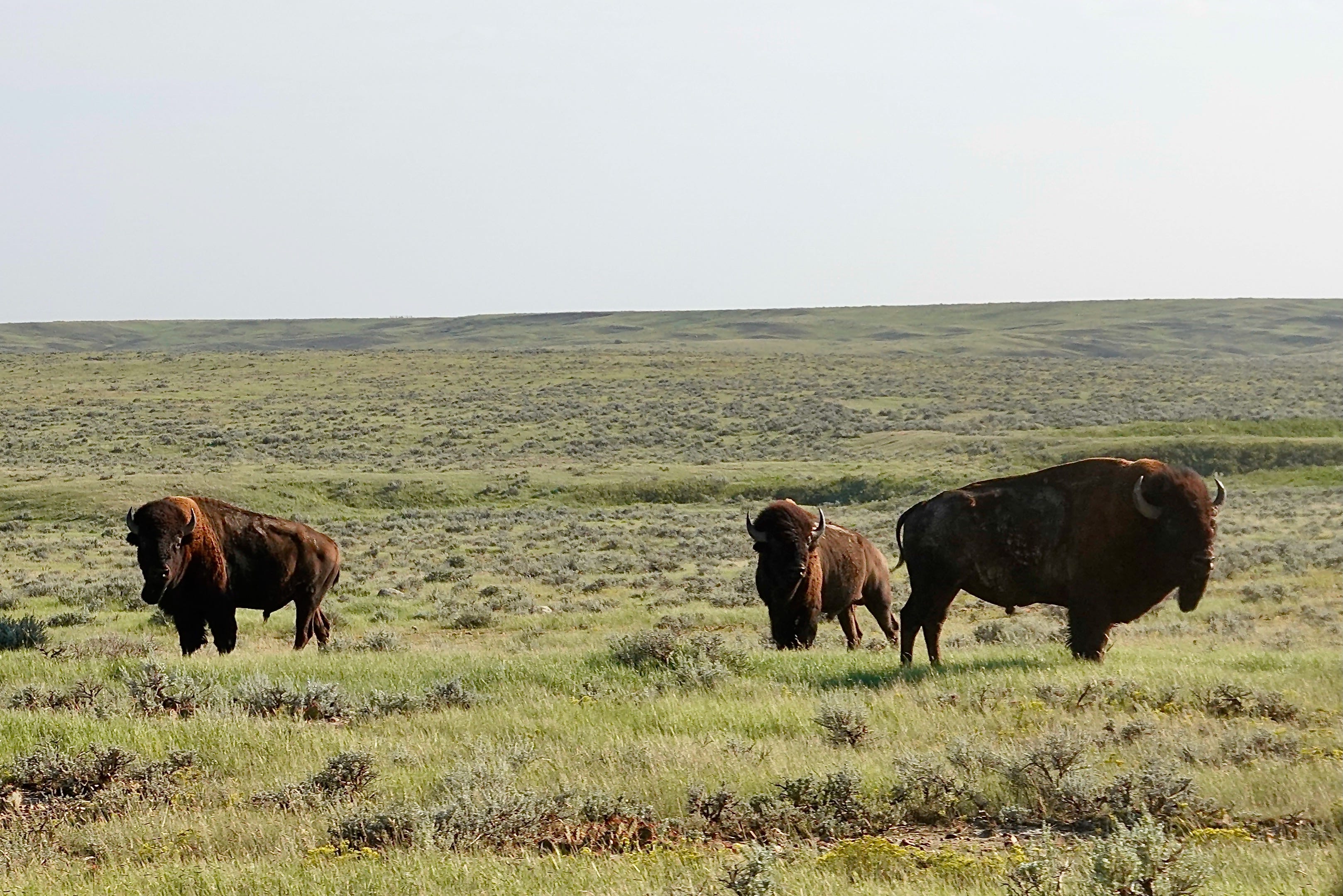
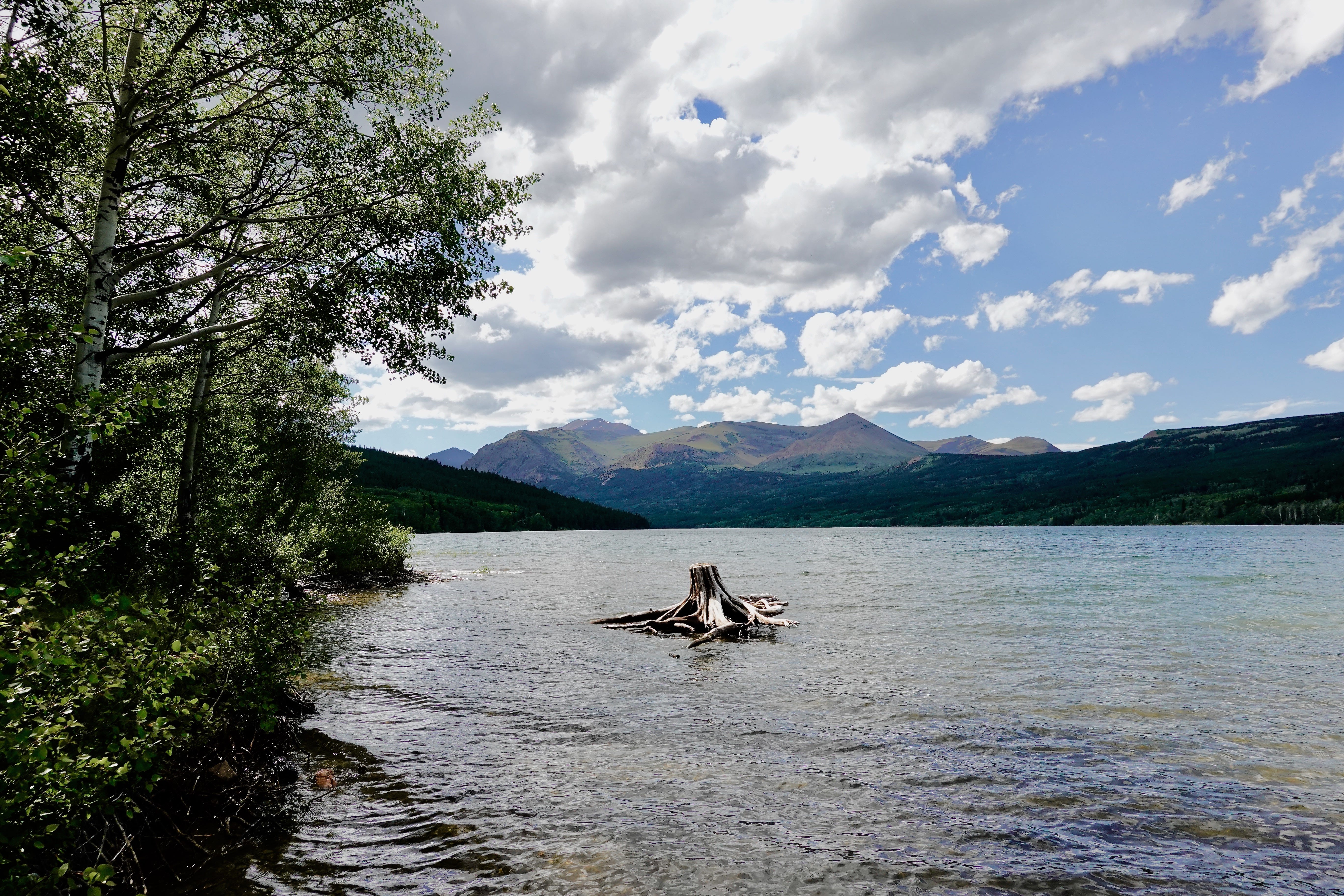
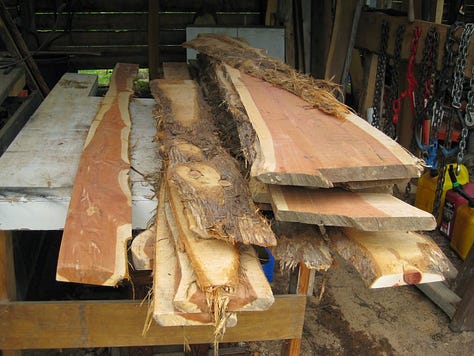
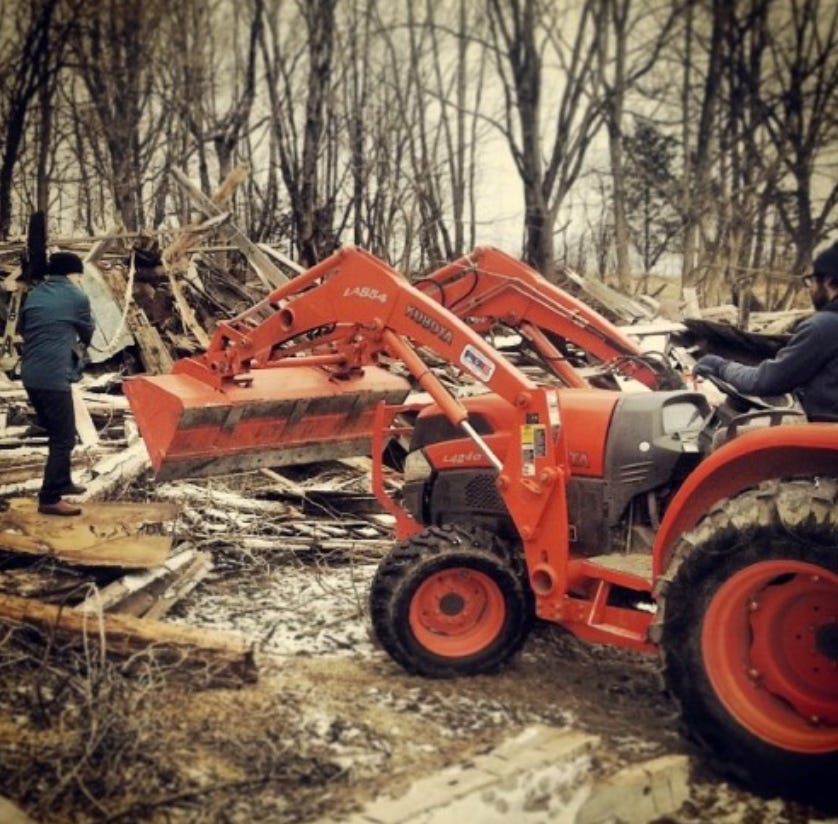
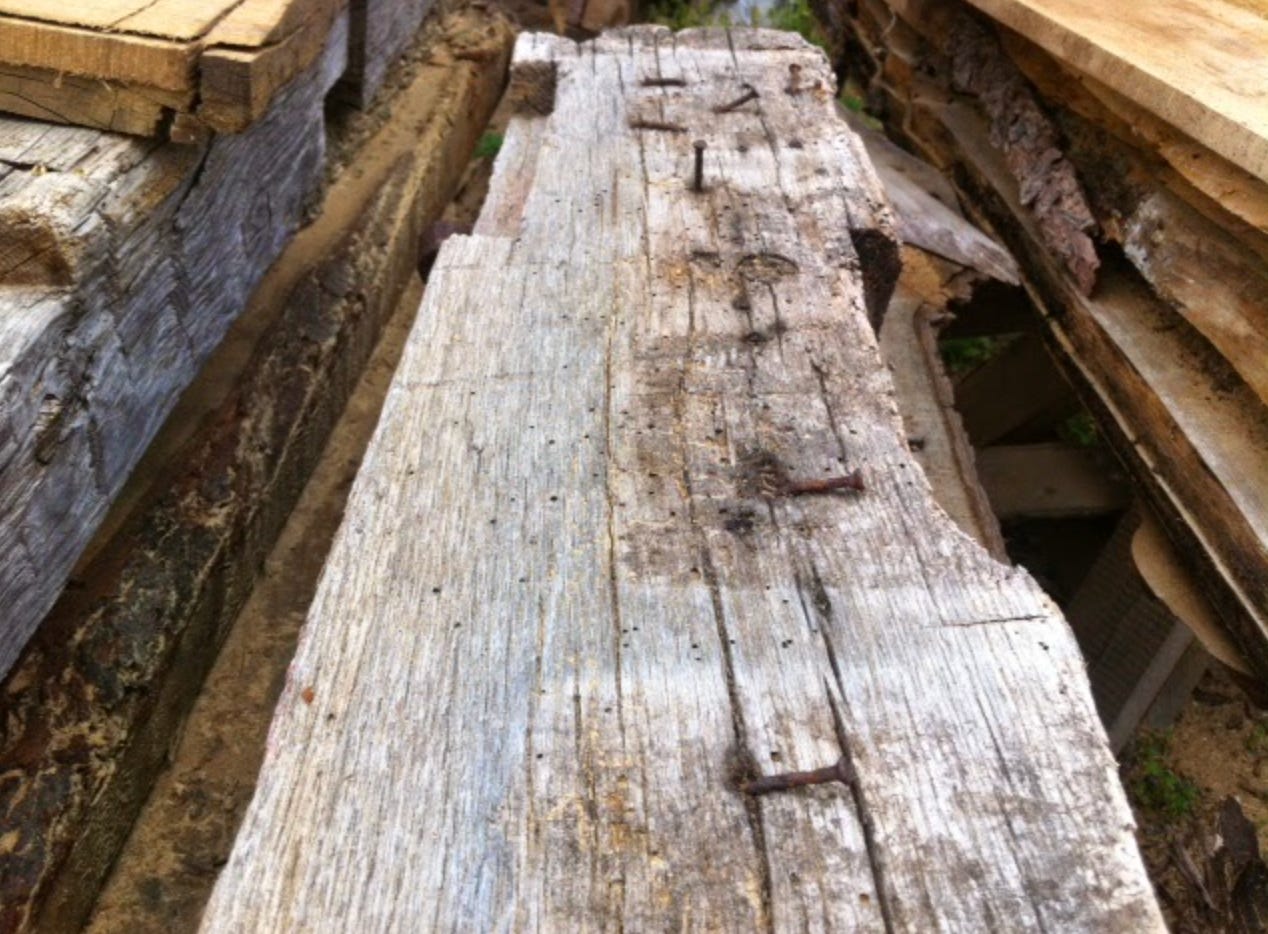
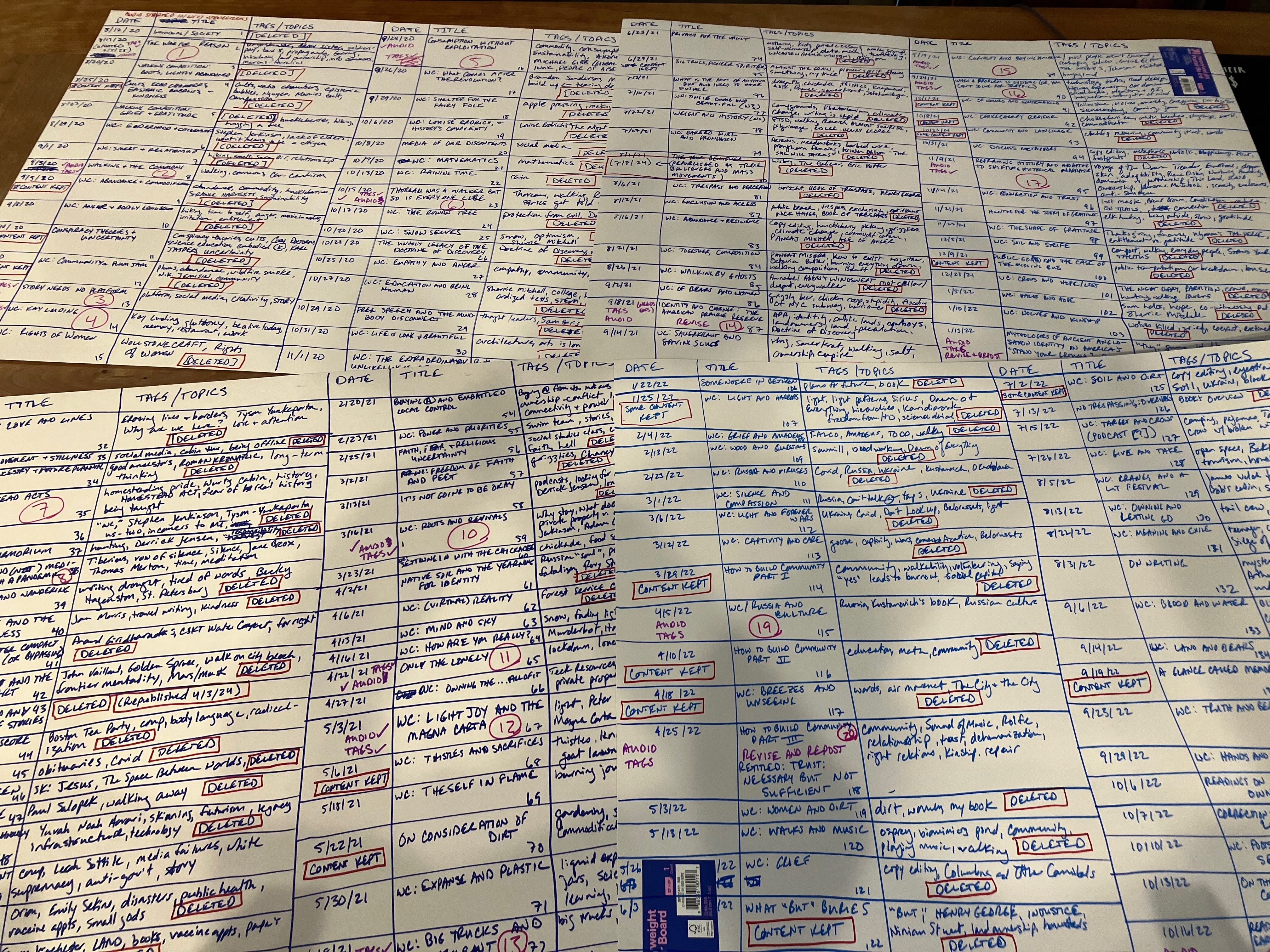
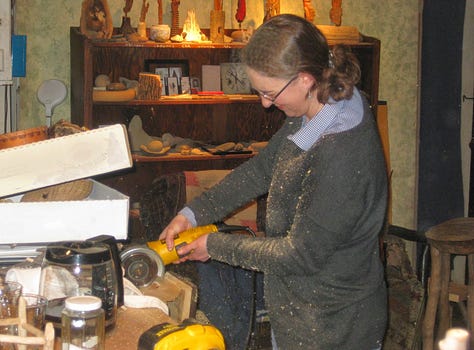
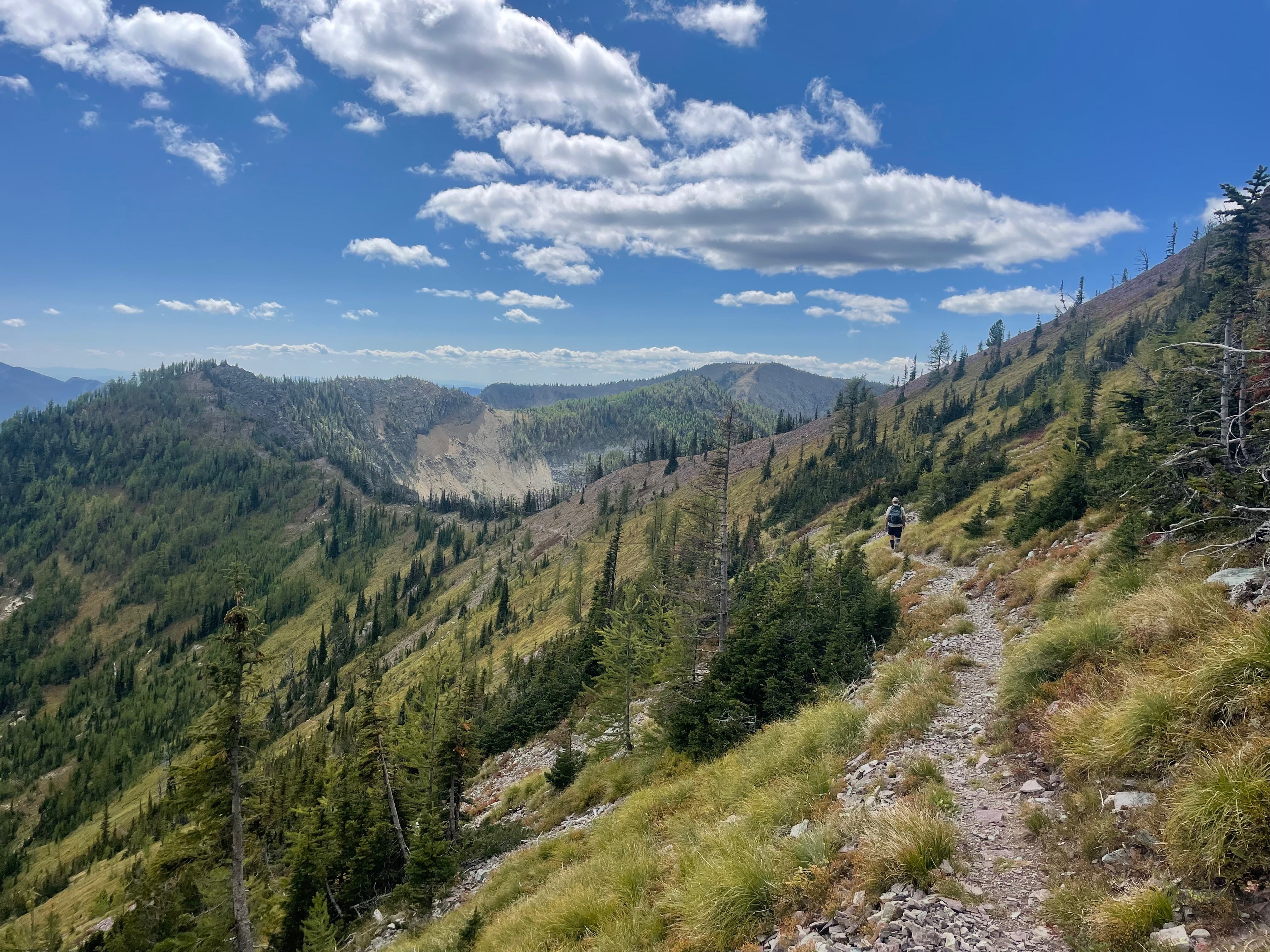
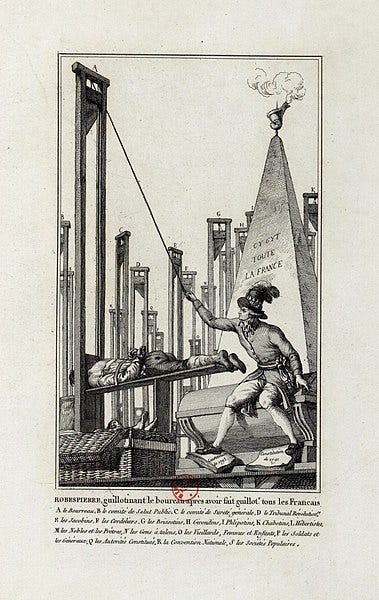
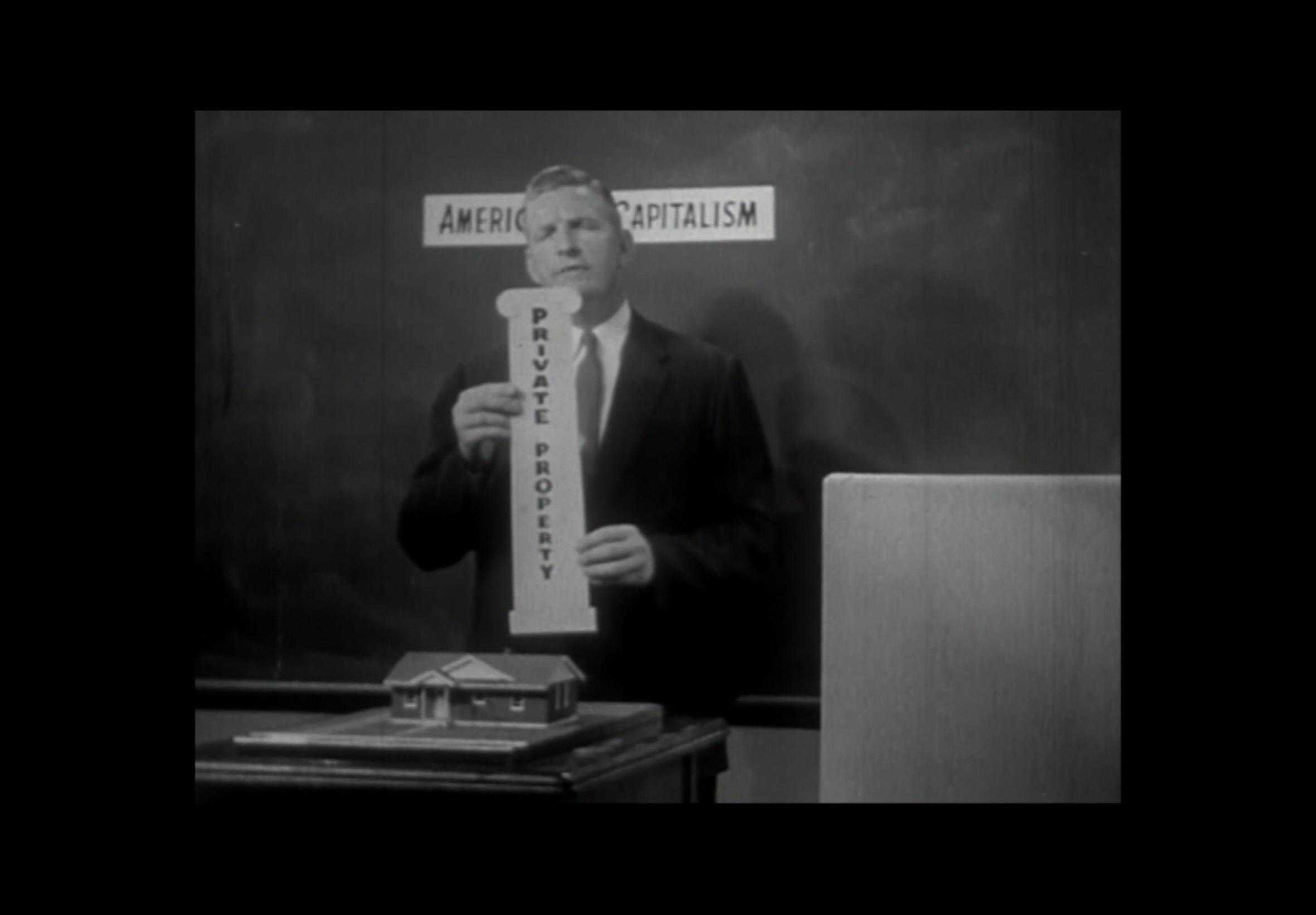
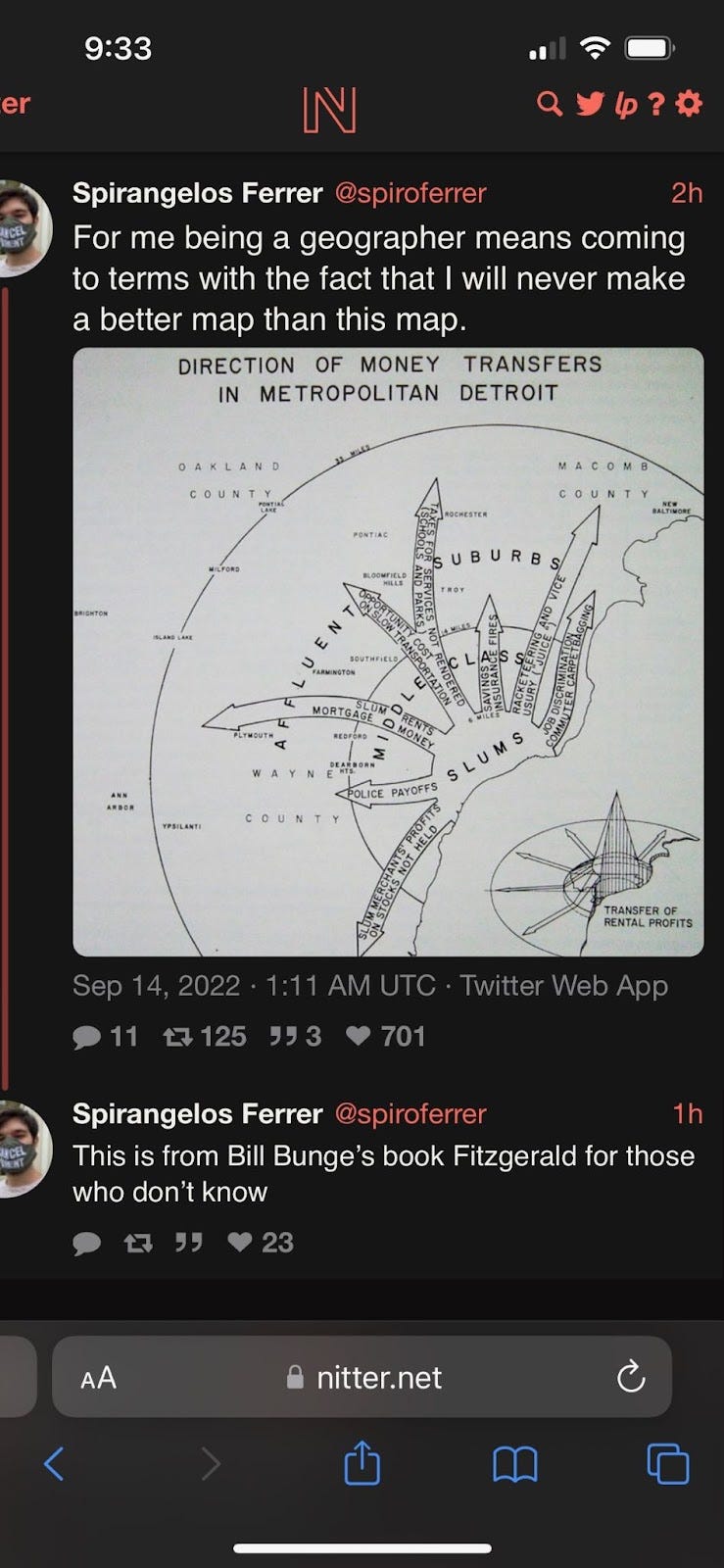
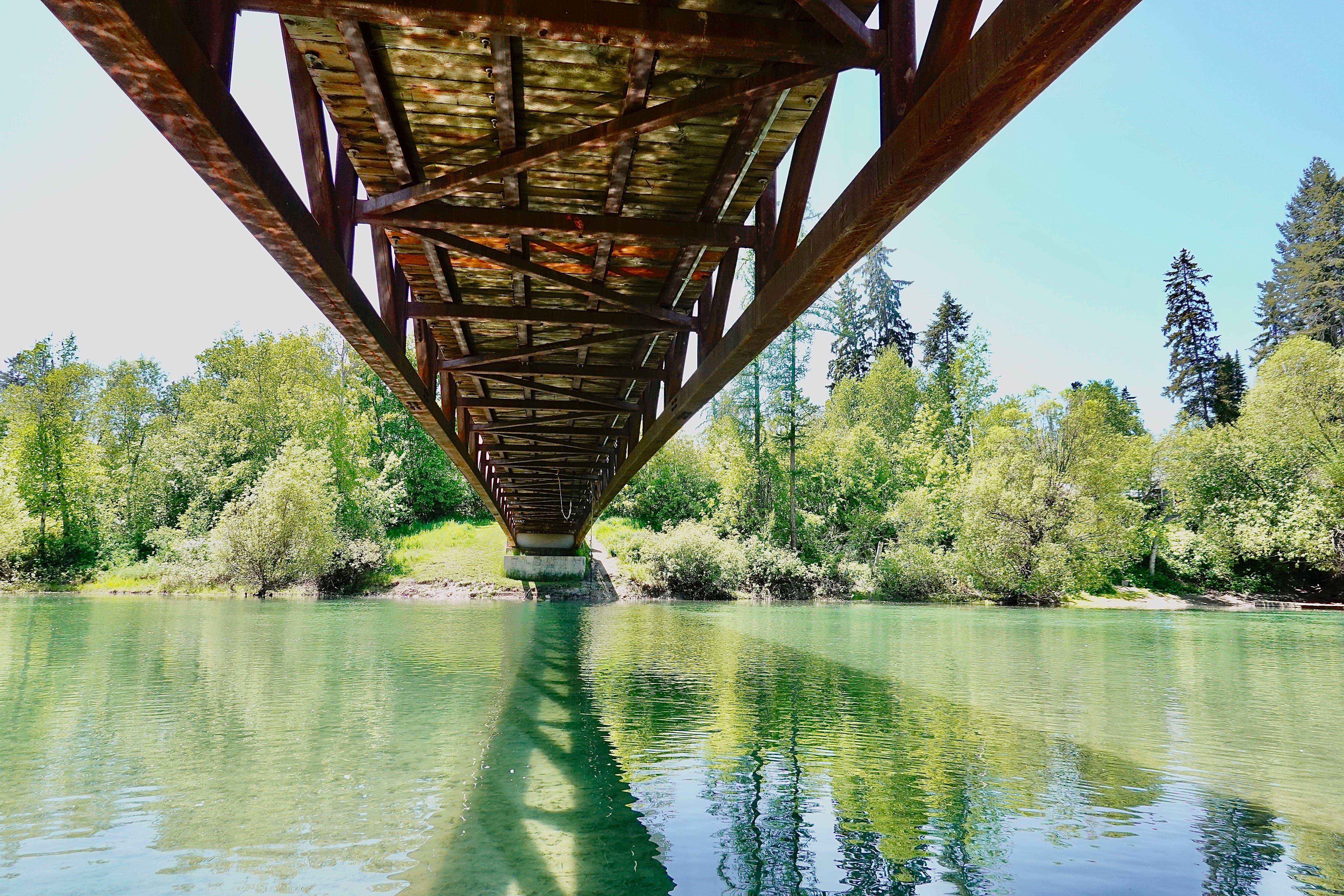
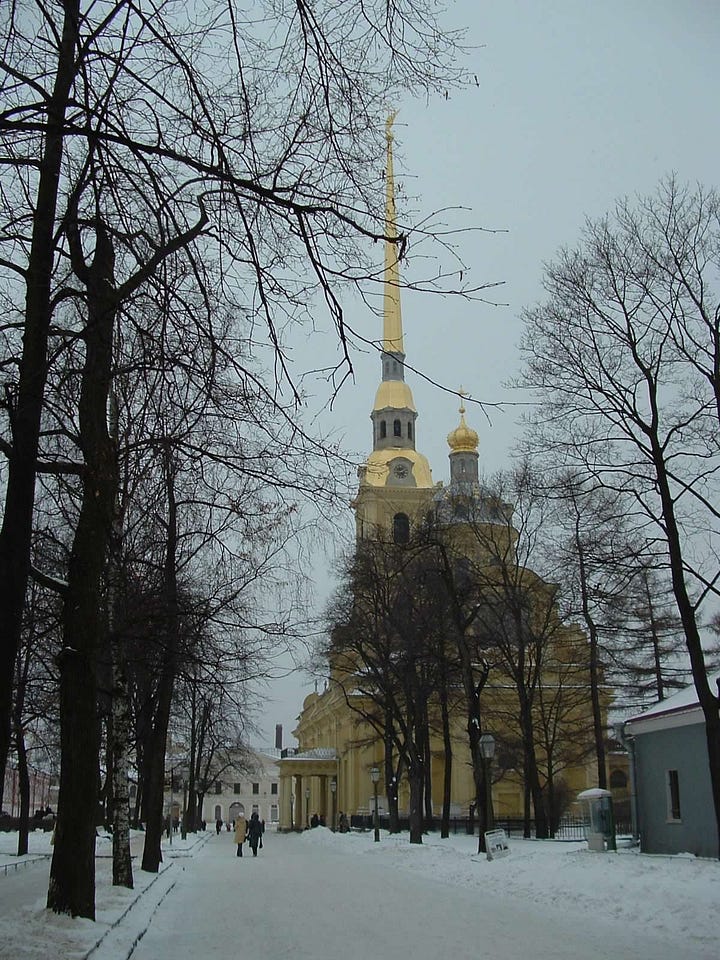
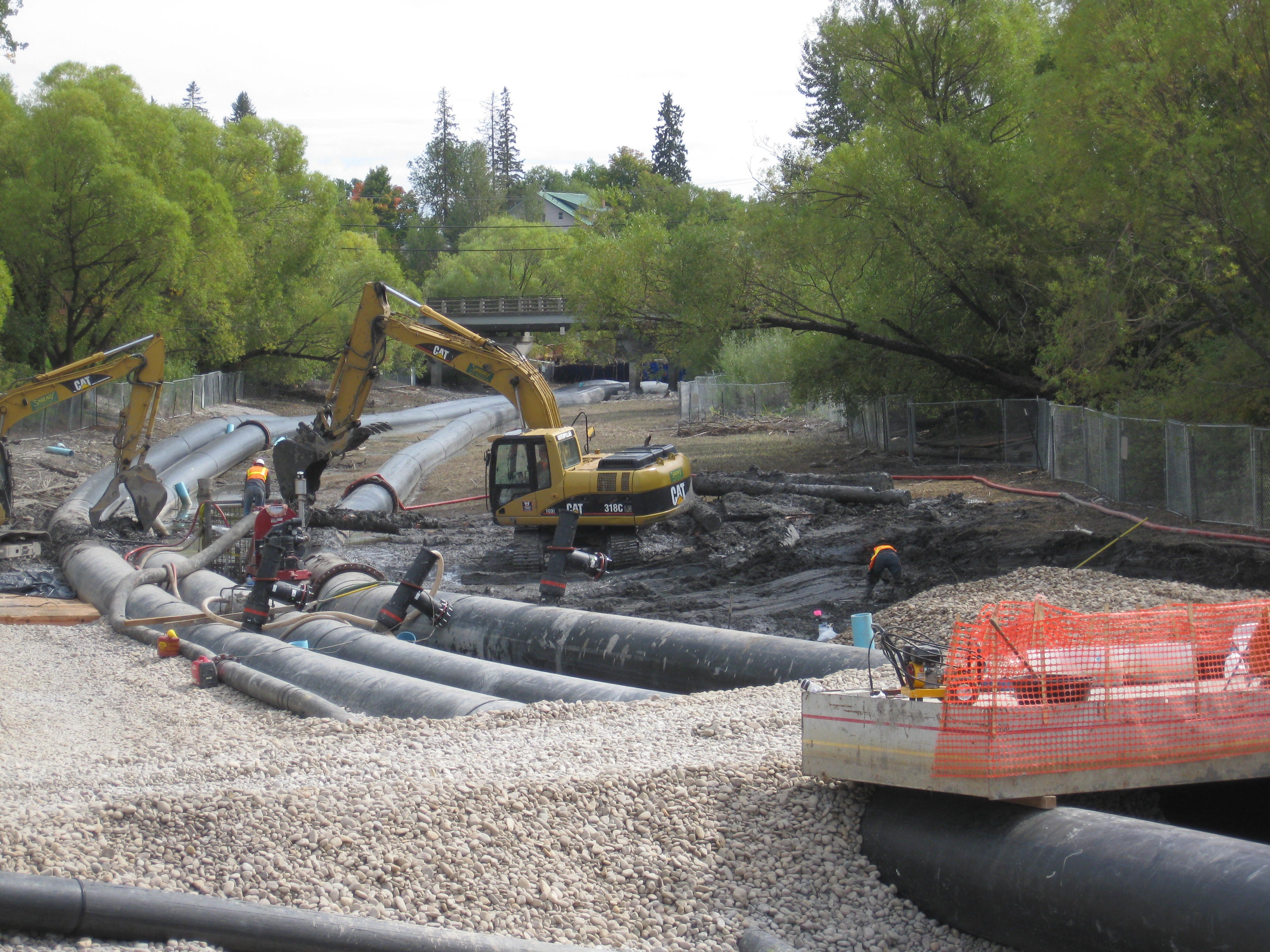
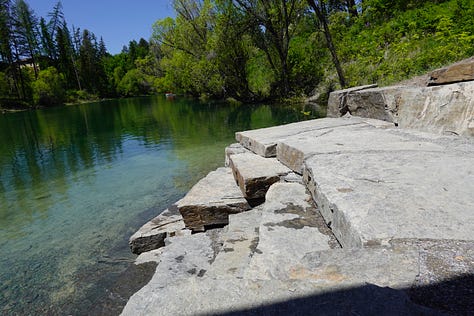
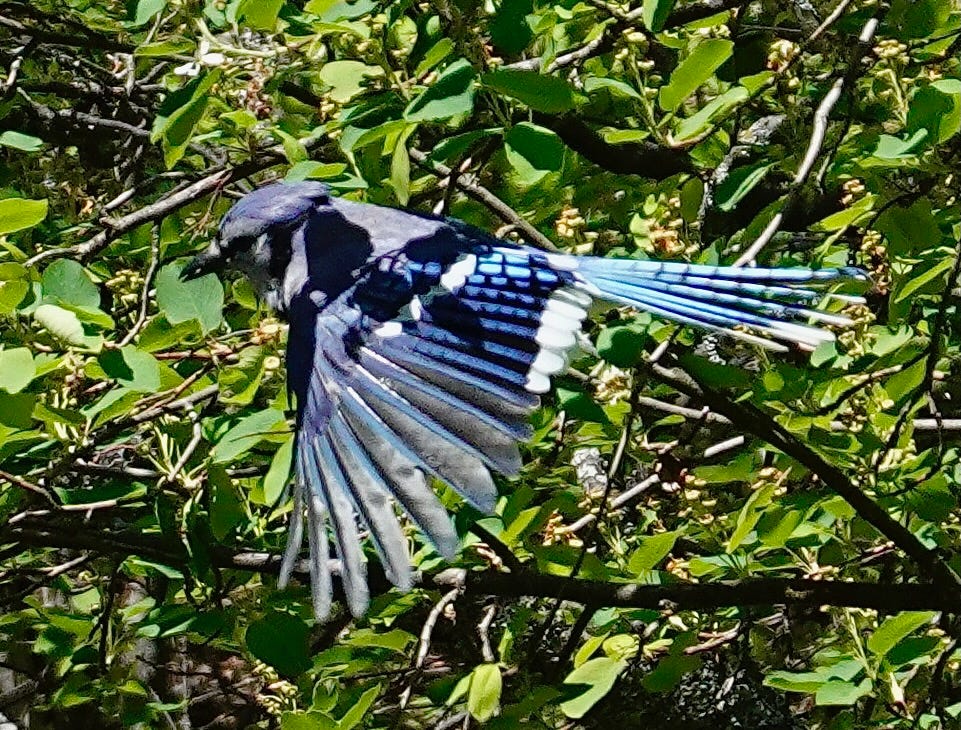
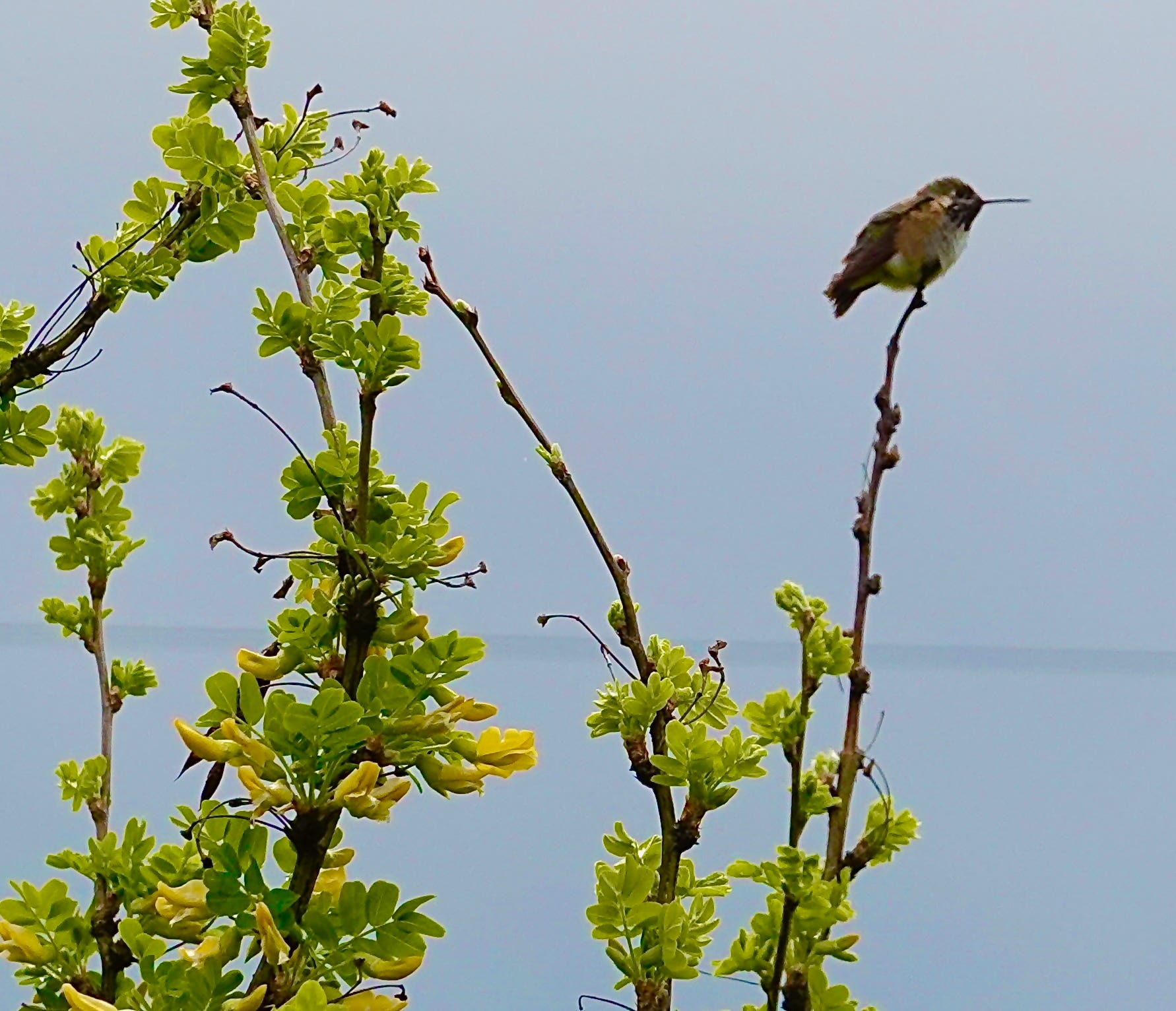
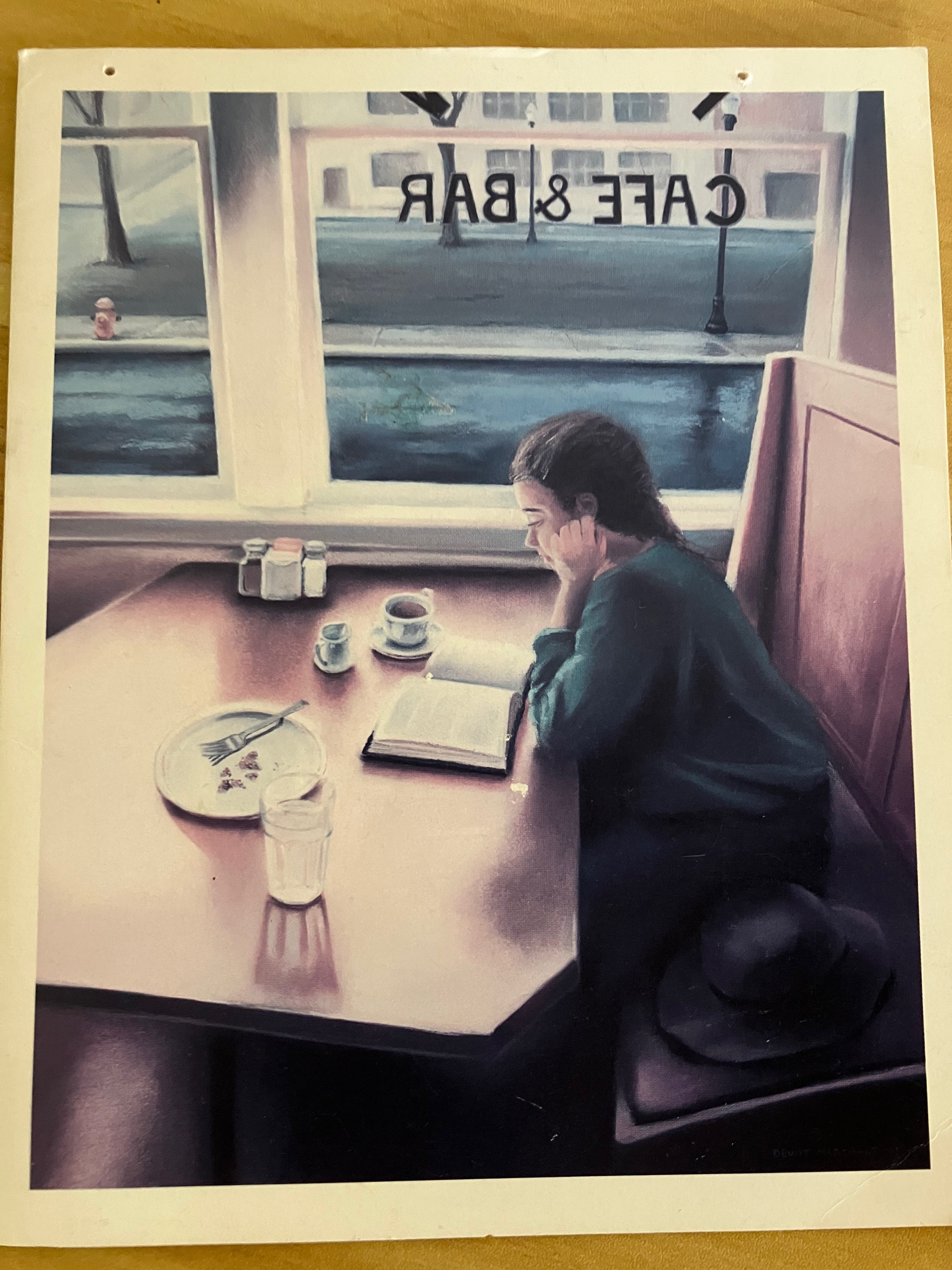
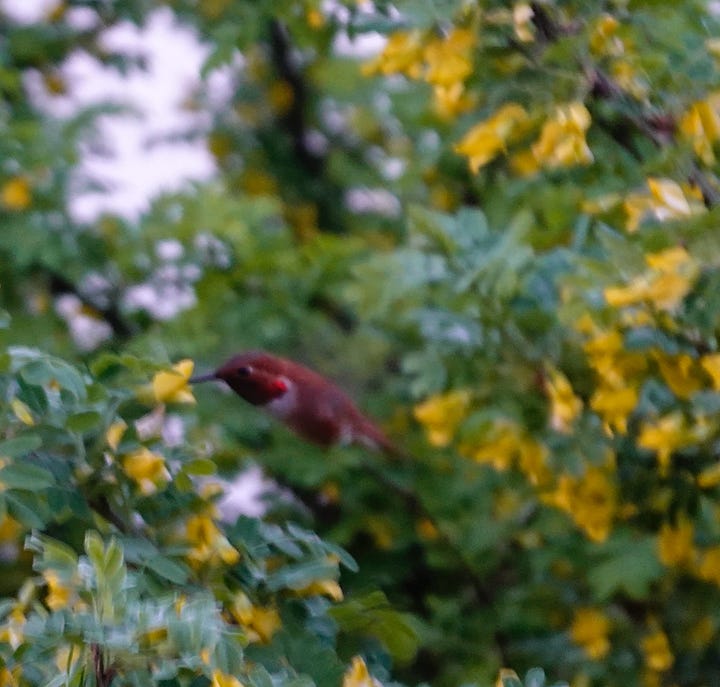
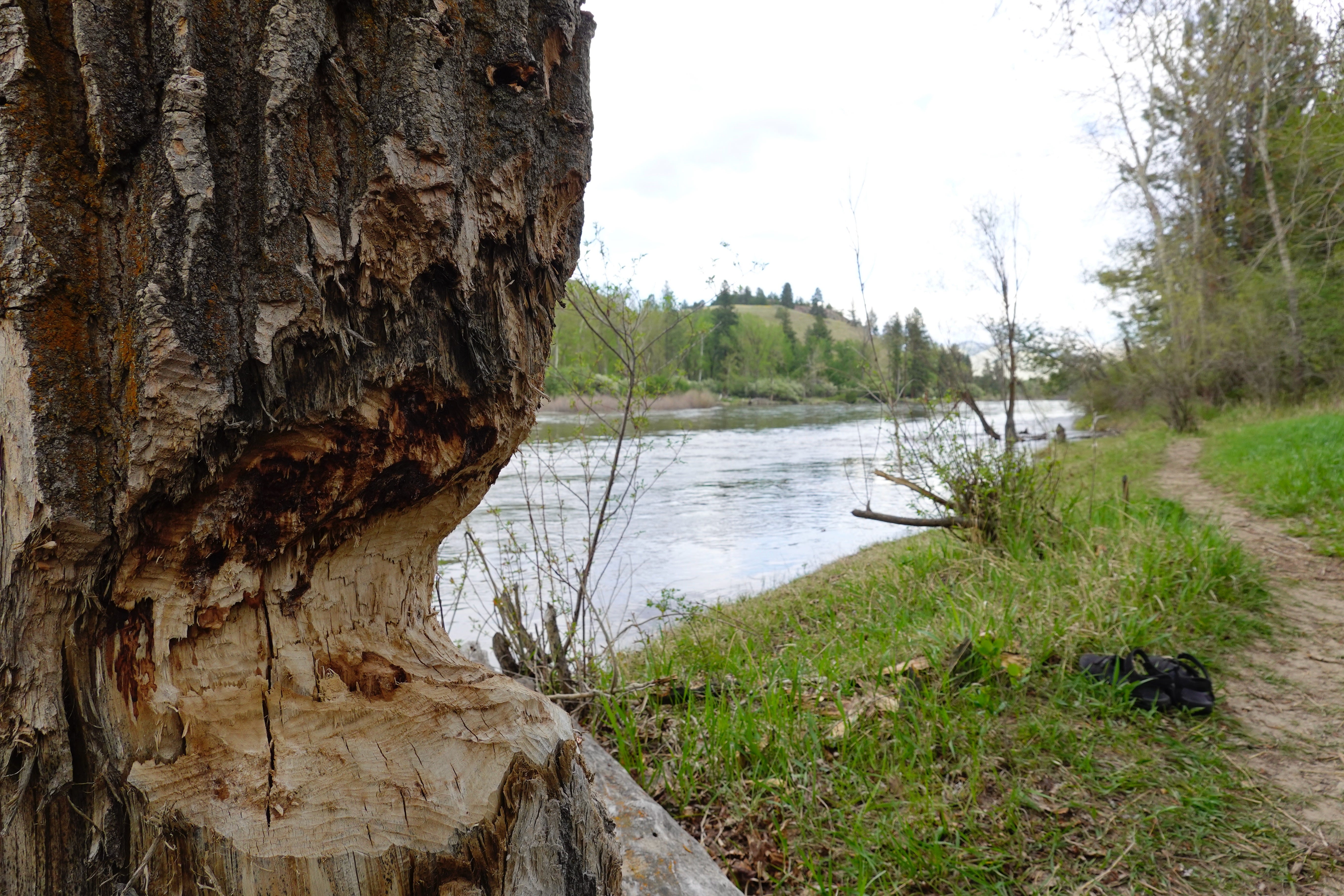
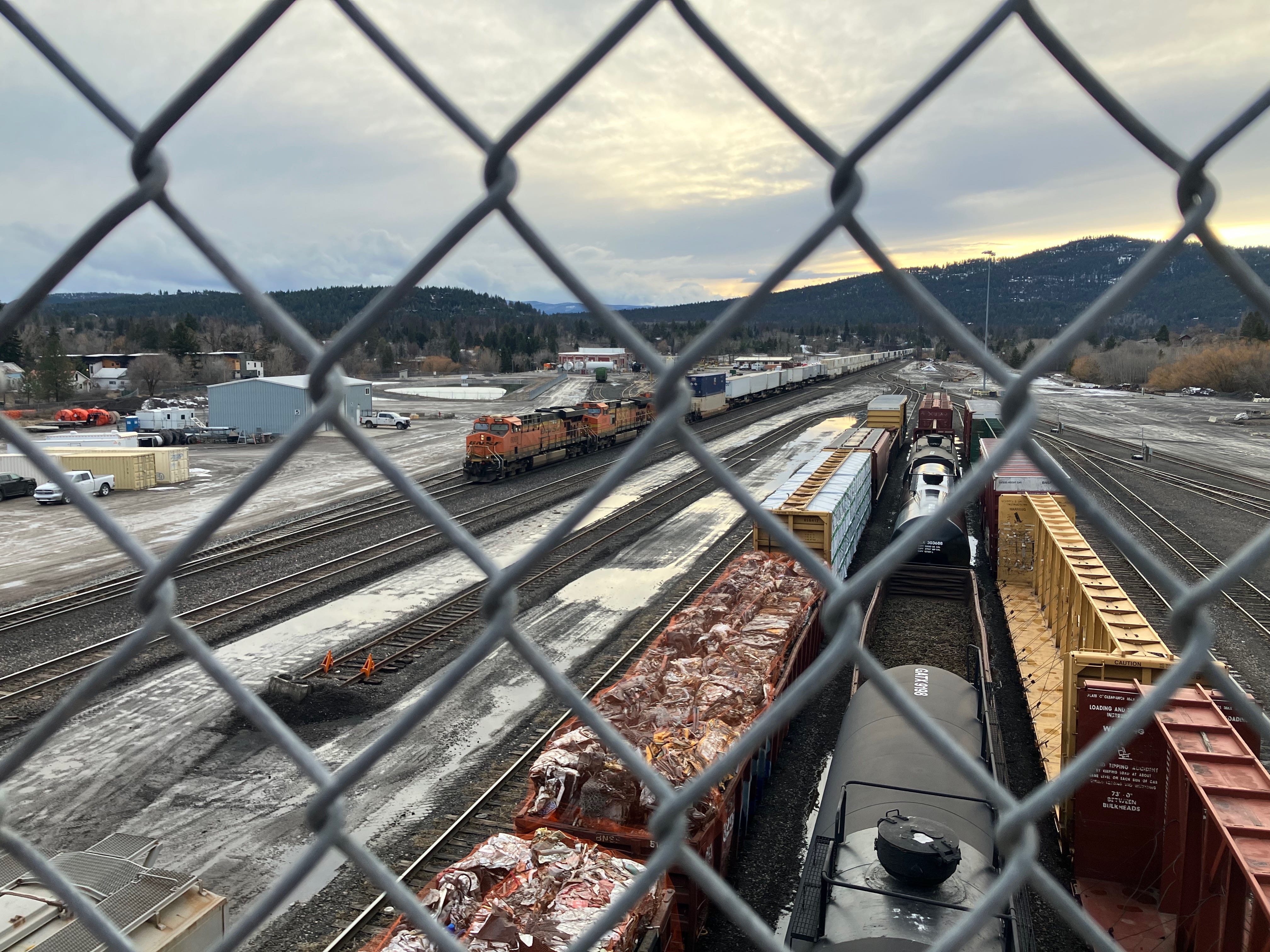
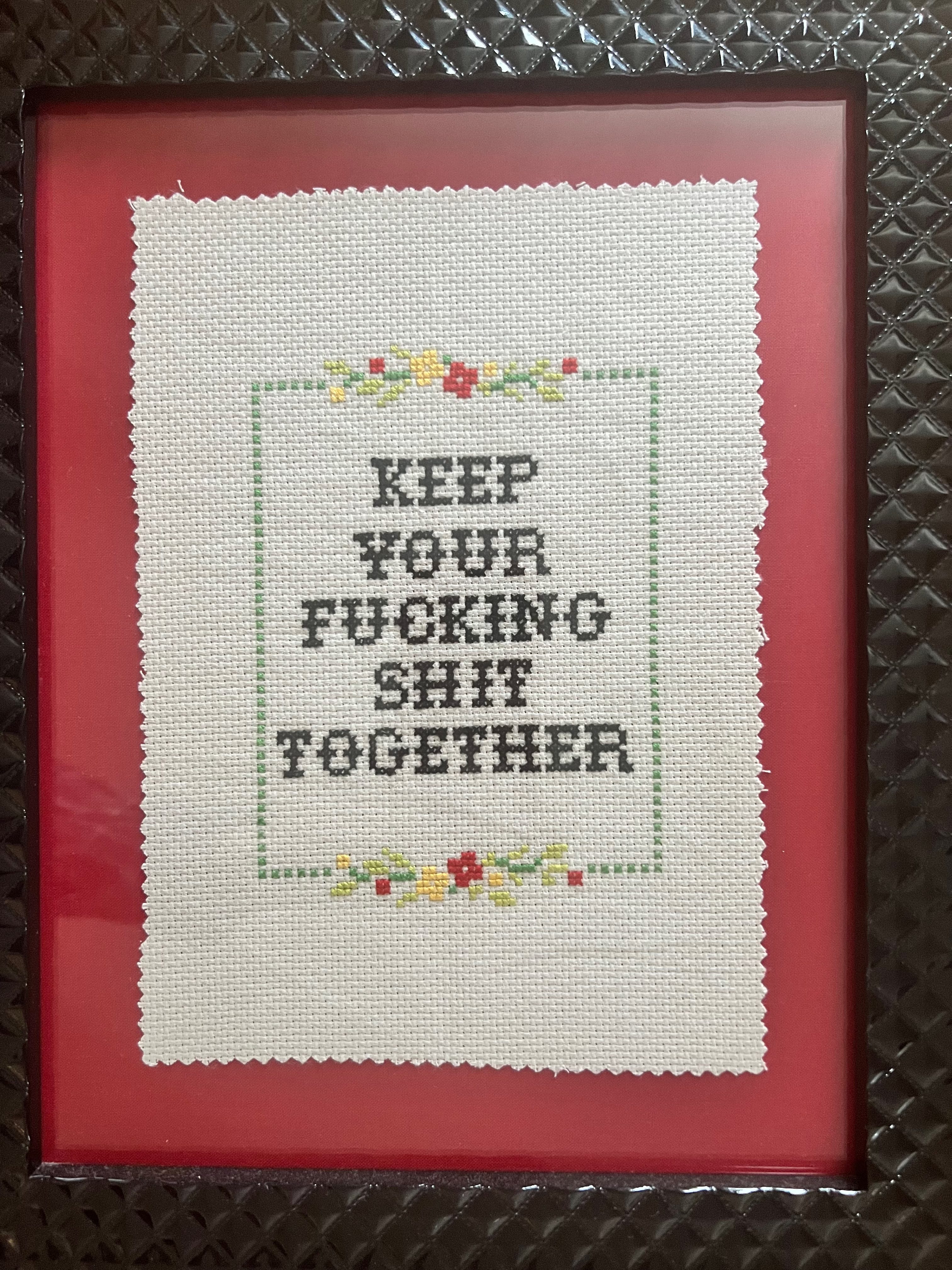
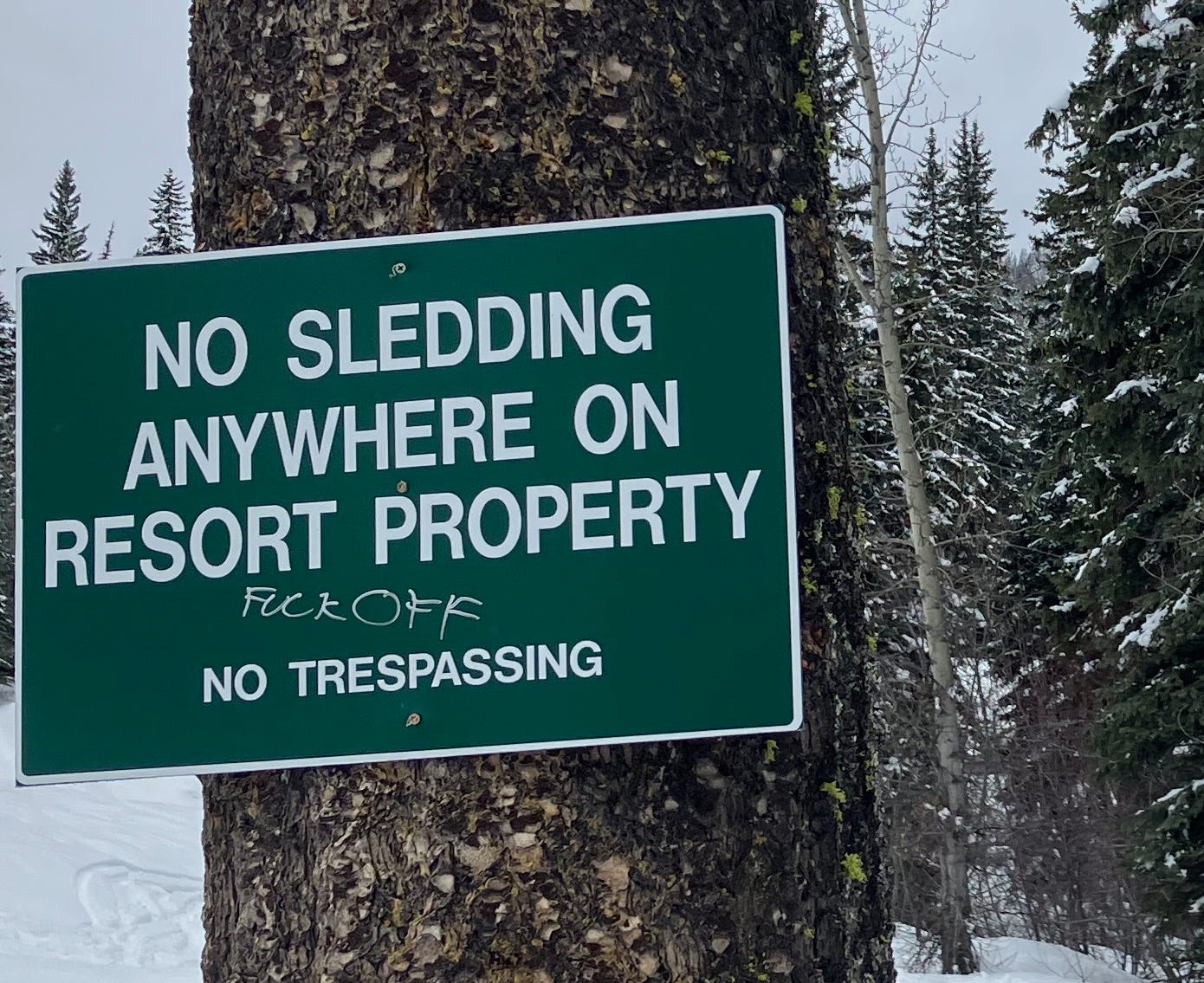
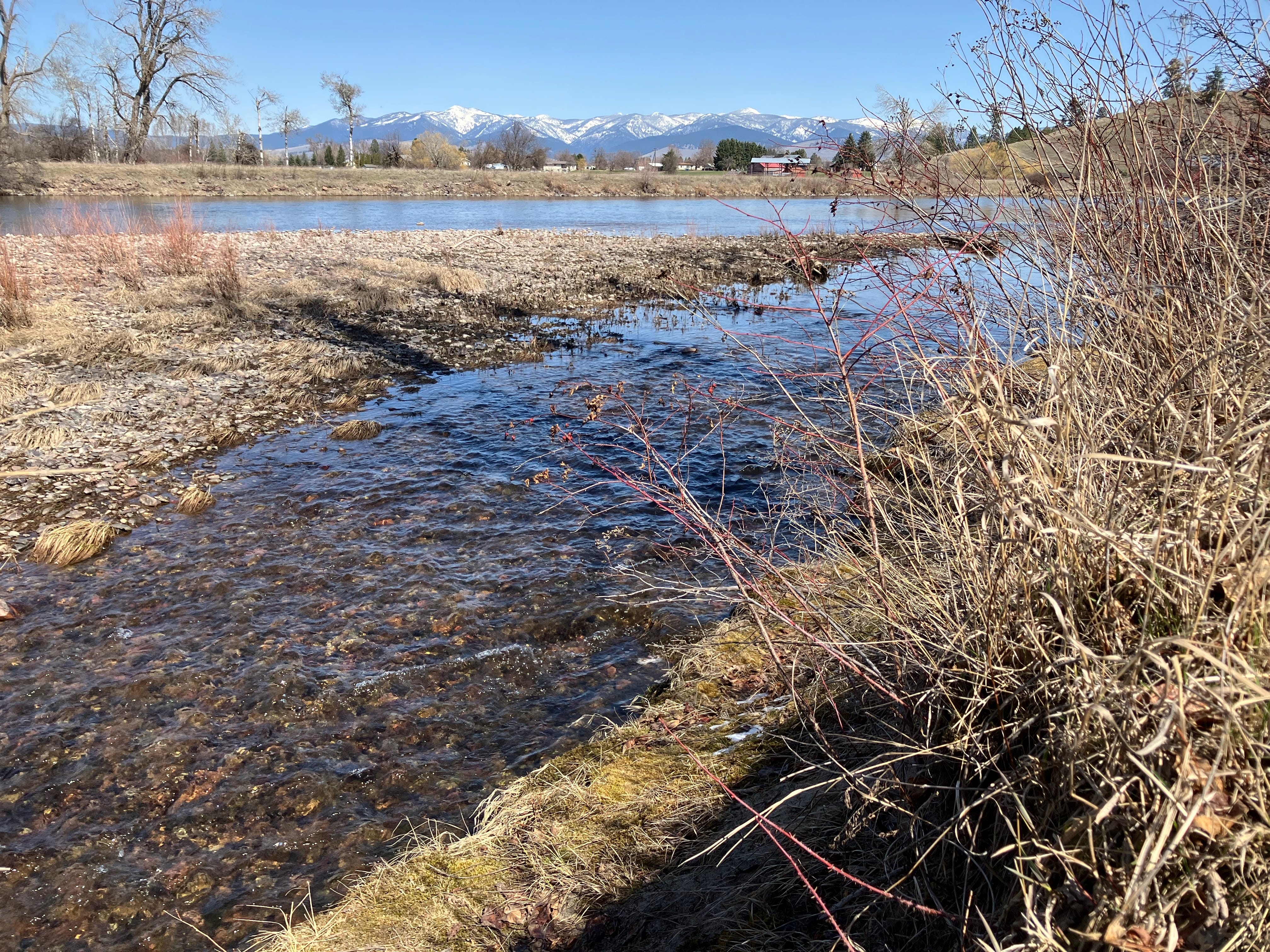
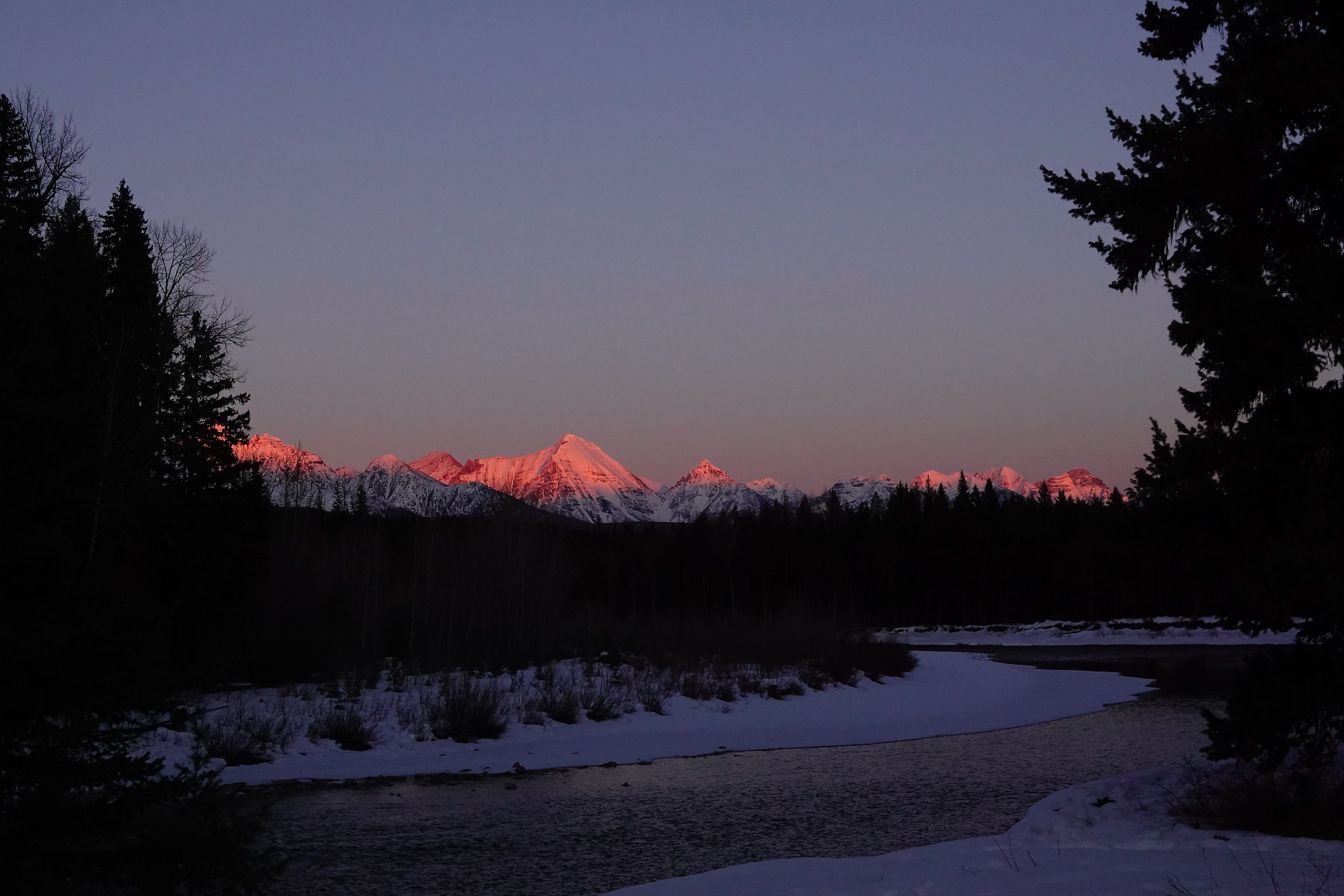
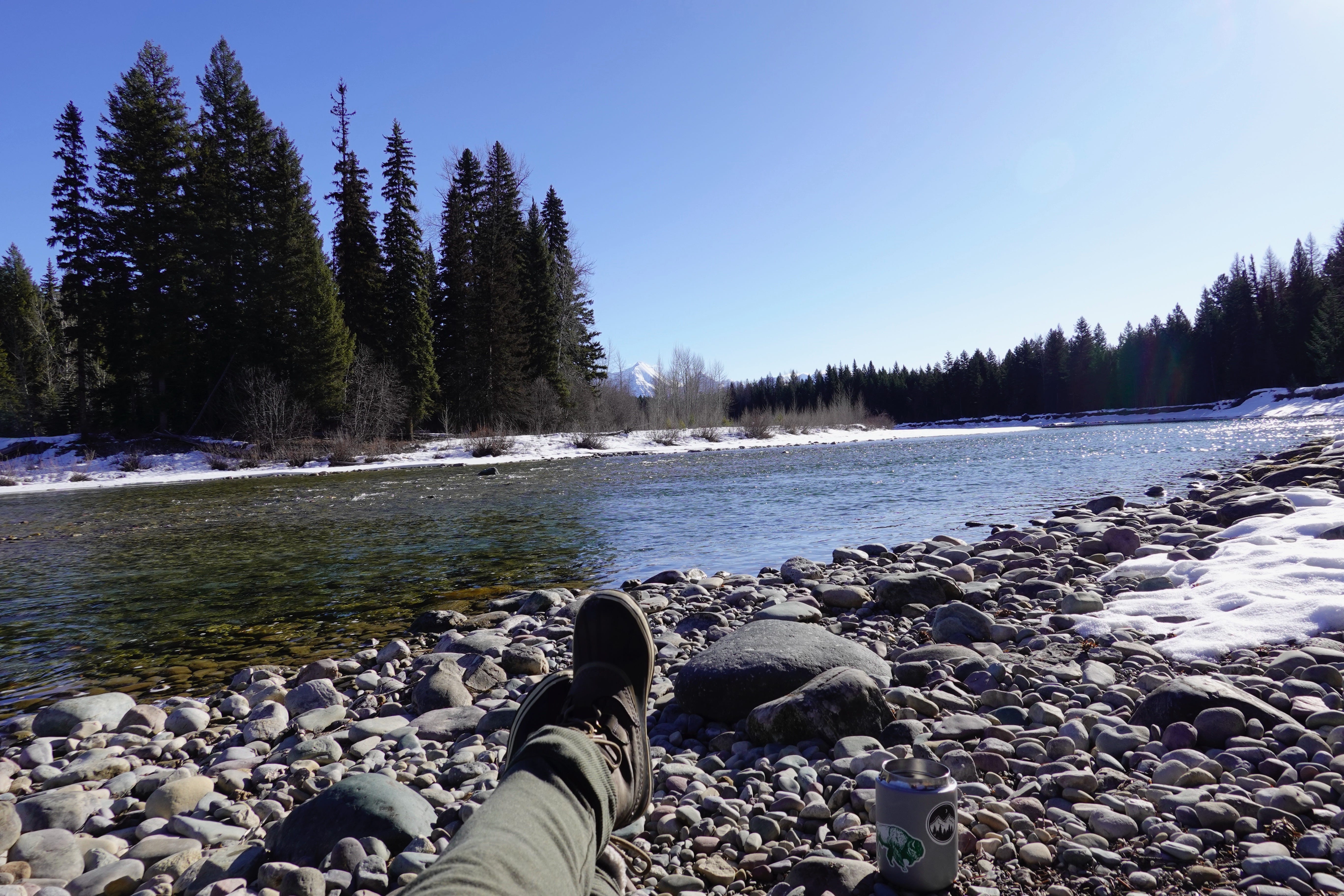
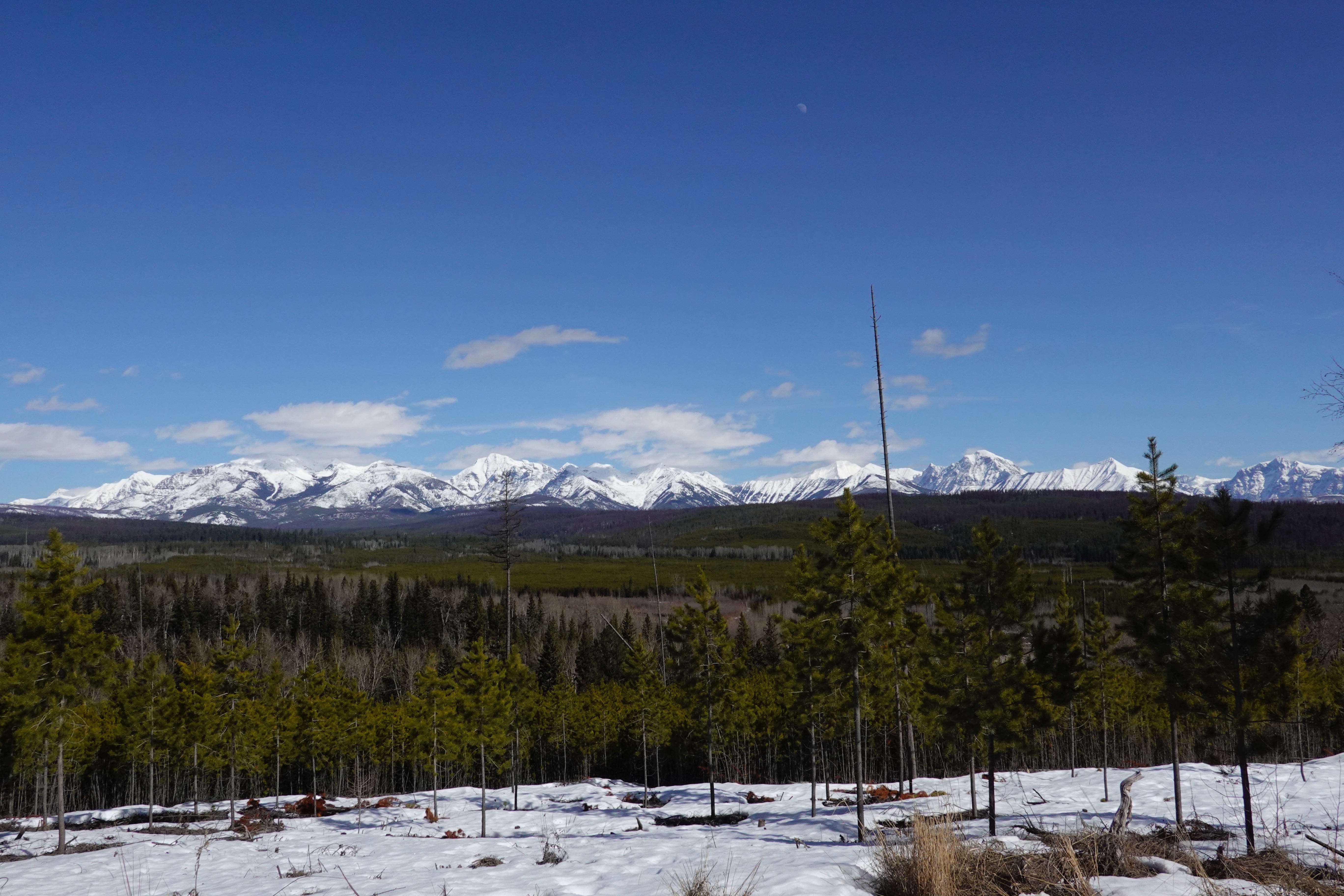
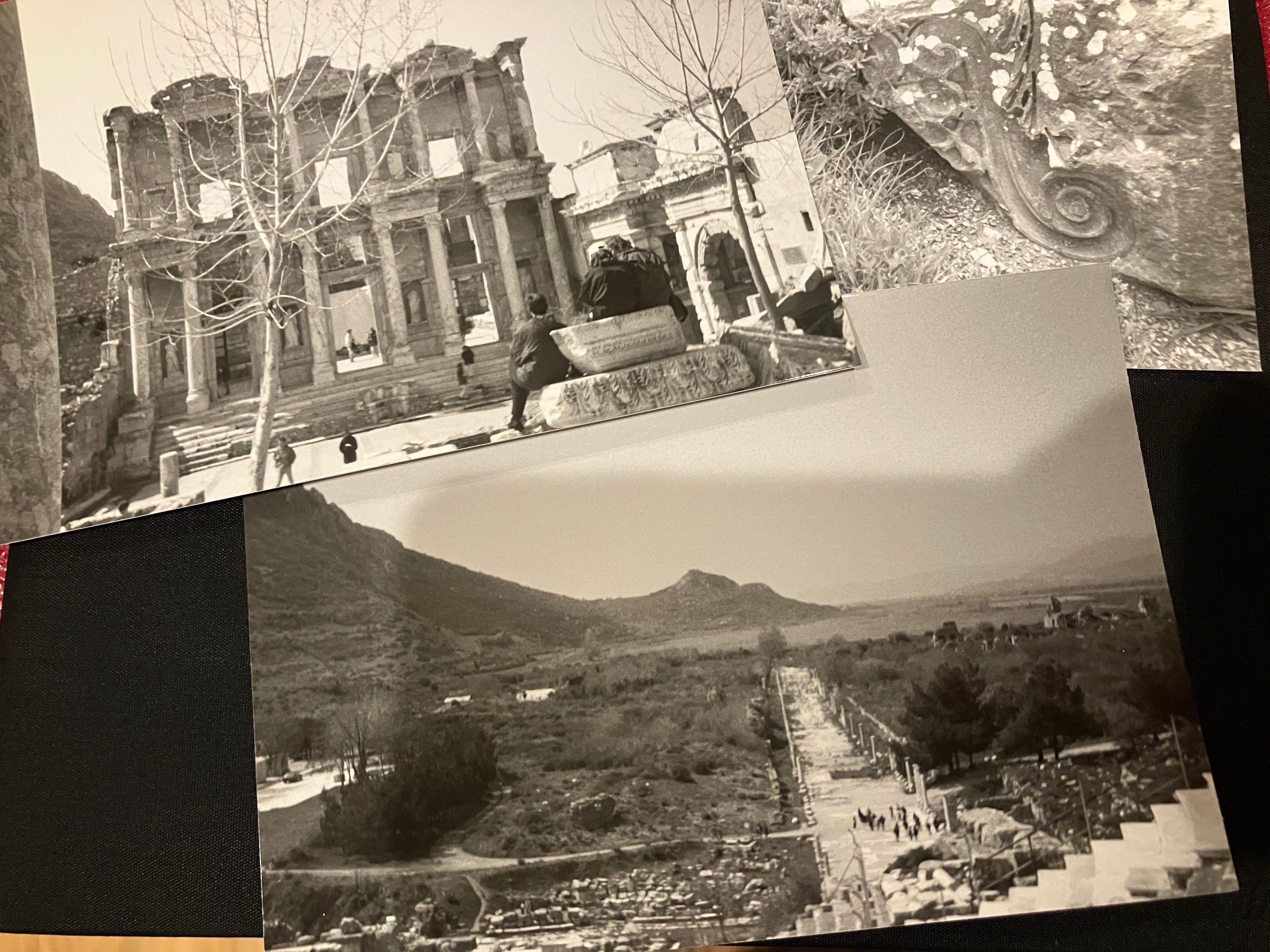
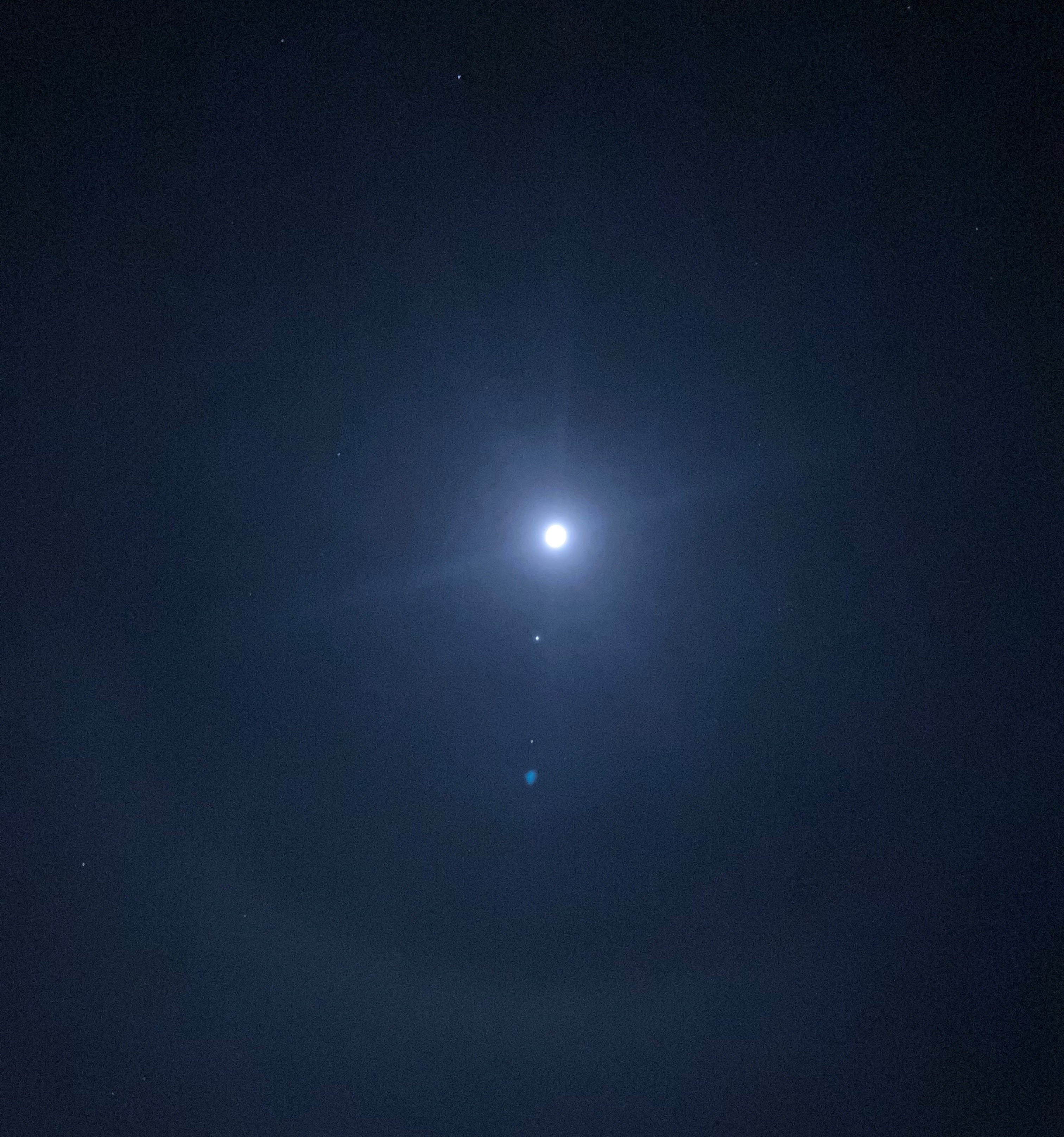
 Antonia Malchik