Sometimes it’s a fight to feel alive

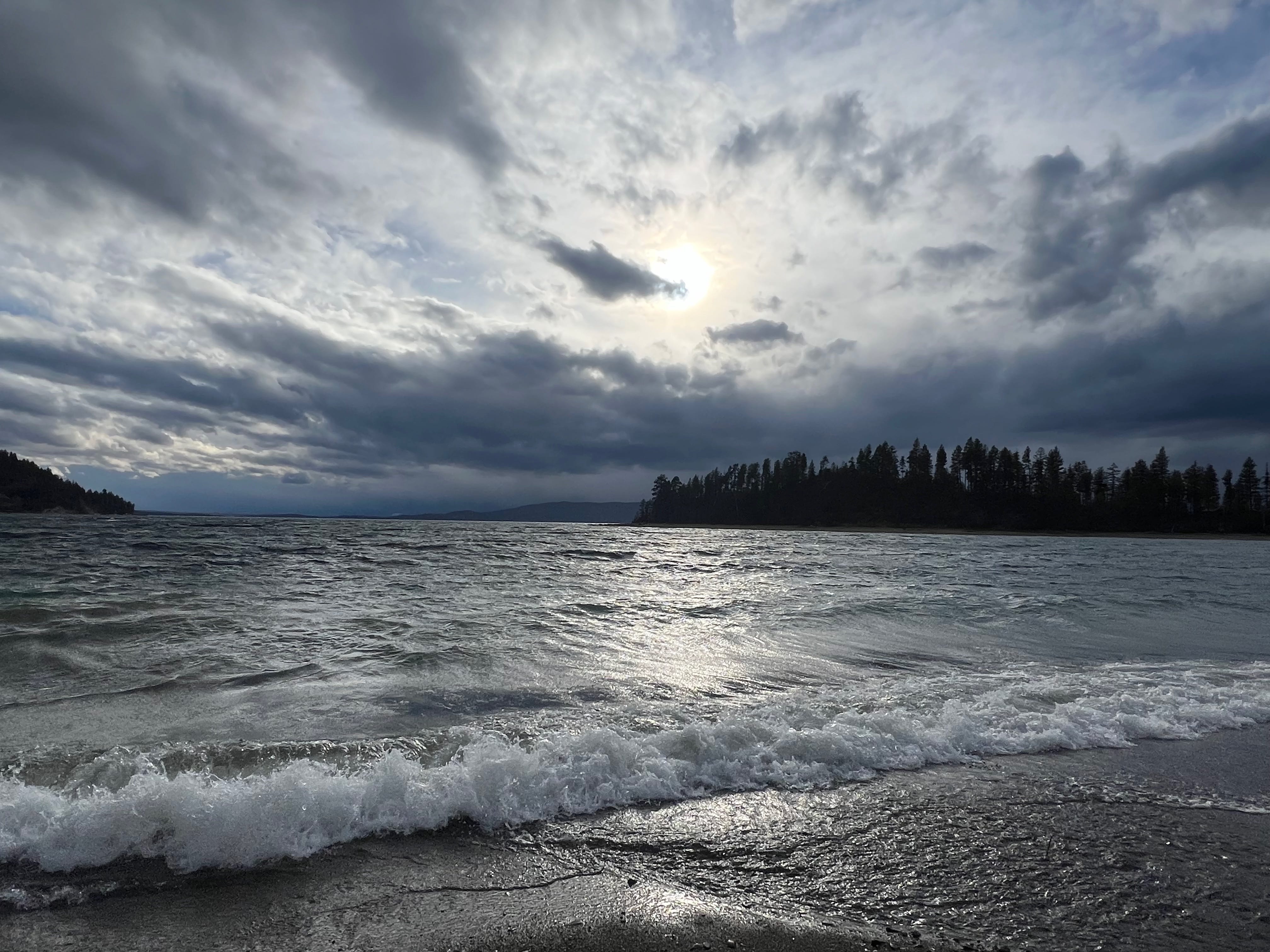
From Yellow Bay State Park, Flathead Lake, Montana

I desperately want quiet. That kind of quiet you get in the midst of a forest where even the pervasive whine of traffic is too distant to penetrate. I’ve spent all week wanting nothing but quiet, as I attended meetings and bought fidgets for someone’s birthday and cooked dinner and did dishes and woke up so, so early and hugged the quiet, candlelit hours to myself like an infant who’s finally drifting off to sleep.

In those hours, the need for quiet crashes in. Sometimes—often—the online world is so noisy that I feel like I need ear plugs. Mind plugs? Even without social media, the nudges for attention from online fracture my thoughts and focus and capabilities. I told someone once that being online reminded me of parenting toddlers, with every minute broken by some version of “mom, MOM, Mom.”

I grew up without television service, without even a telephone in the house until I was almost ten. I didn’t have a regular email address until my late twenties (one of my brothers-in-law worked at Google at the time, which is why I’ve had the same email address since Gmail was in beta—20 years now) and staved off switching to a smartphone for nearly a decade after they were released to feast on people’s time and attention. And yet here I am, 47 years old, with one kid nudging adulthood, metaphorically whimpering in a dark corner to get some mental space away from my devices and the needs of online.

Not everyone has these problems. I keep having this conversation with people, who often recommend turning off notifications—I did that in 2017 and never turned them back on; it’s been years since I allowed anything but texts and phone calls to nudge me—and don’t always seem to understand that the addictive design of these devices is all too effective for some of us. It doesn’t matter how many apps we delete.

I spent too much money purchasing a dumb phone last month, the only one I could find that works only in grayscale and doesn’t accommodate any apps. As I’m slowly weaning myself off of turning on my smartphone (the camera is still an issue), I remind myself of what my mornings were like when I didn’t feel its tug. For years I’ve turned my phone completely off at night, as I do the WiFi on my laptop, so that I can get up in the early hours and do all the little things that make me feel whole and connected without staring into the face of that bright screen first, but I can still feel its presence stalking me around the house.

It’s more than the smartphone. Online communication and interaction manages to completely drain me on a regular basis. This was one of those weeks, where I couldn’t get offline because that’s where my work is and increasingly felt like I was at a loud party full of flashing lights, bad music, terrible drinks, feeling desperately tired and thirsty because the water fountain was broken, but I wasn’t allowed to leave.

Next week I have three nights alone at my favorite forest service cabin, offline and away from electricity, and all I can think about is not how much work I might or might not get done, but an almost desperate need to sit by the river and not think or do anything. To watch the long, slow shifts of light at sunrise and sunset. To spend the middle of the night awake hour staring at the stars and Moon if She’s visible. 

I have all sorts of strategies to manage my relationship with digital technology, put in place years ago for my sanity, creativity, and, as I’ve written about before, because my humanity is more important to me than finding conventional writing success, and I don’t like the human I am when interacting with social media. 

None of those strategies are really enough, or maybe recently I’ve been feeling the press of it all more. I had a wonderful, long conversation earlier this week with a good friend and colleague about this particular platform, and ended up realizing how much more difficult I find to use ever since Notes was rolled out and the social media-ness of it has increased. That doesn’t mean I’m leaving it (I tried setting something up elsewhere a couple months ago but simply don’t have the technical expertise), but figuring out how to open a tab on my browser and look at it, even to read other newsletters I like, without feeling instantly disheartened and drained, has been difficult. I’m bolstered by writers like Amanda B. Hinton writing about which newsletters she reads for nourishment, and all the tremendously good writing and research and interesting ideas I’ve seen, and even friends I’ve made, that I never would have without this platform existing. There are ways to be in this particular space without feeling like it’s taking more than it’s giving. At least, I hope there is. I just need to figure out my own balance.

But it’s also important, I think, to keep in mind that no technology is value-neutral. How it’s created, built, deployed, used, and discarded matters. I saw a comment elsewhere recently that said we’ll learn to live with and benefit from digital technology “just like we learned to live with and benefit from cars” and I refrained from answering that comment only because at this point it makes me very tired. I wrote a whole book about what we’ve lost to cars and car-centric infrastructure, how much damage we live with because of cars and the loss of walkability. It’s a very good book, and I think an important one. 

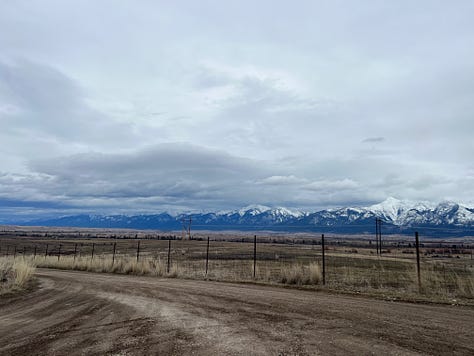
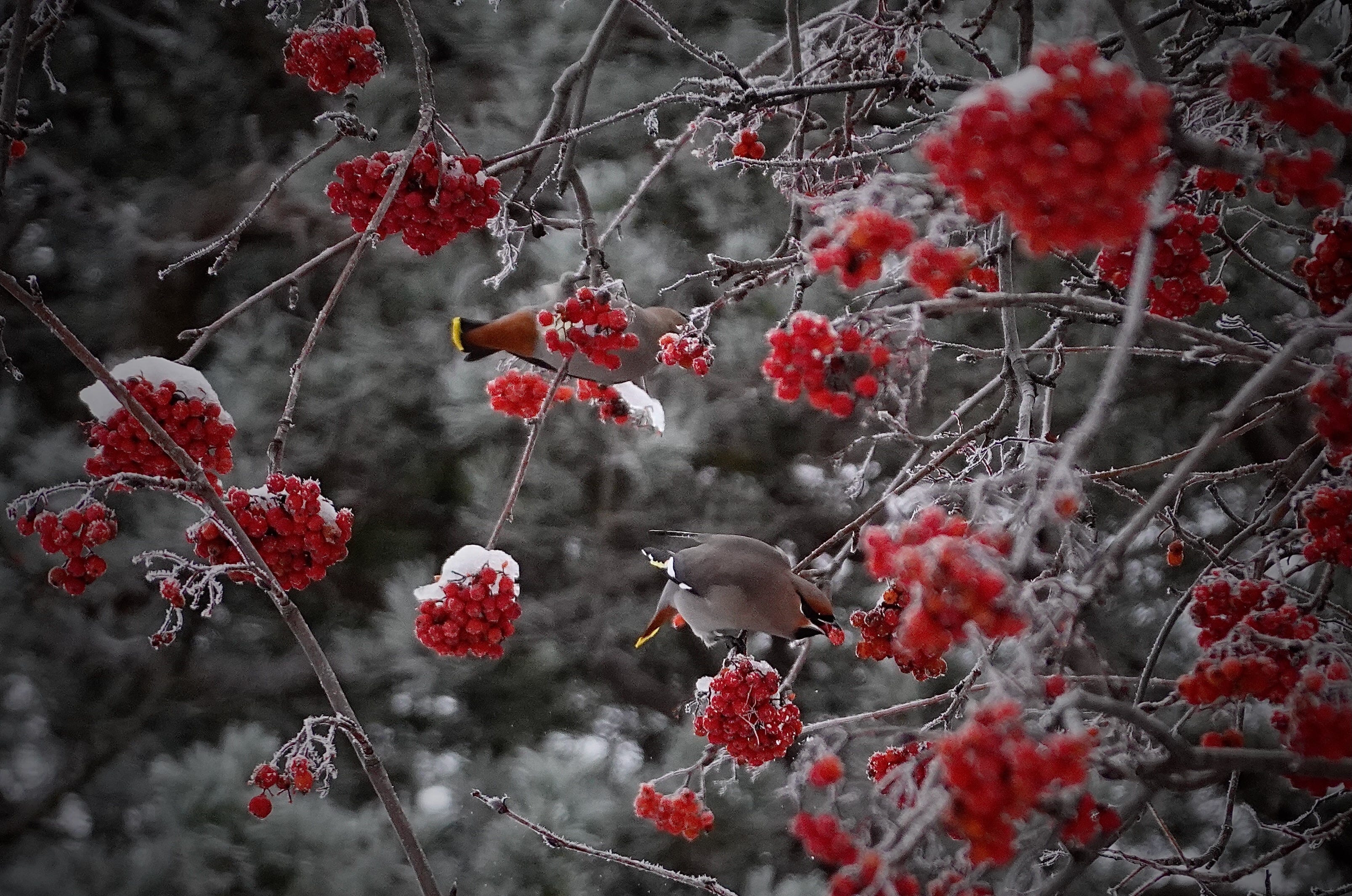
Funnily enough, when I sat down with my notebook to draft this, my intention was to mention my fractured attention and communication overload, and not write much at all but to share some photos of recent activities that keep me feeling alive and engaged with the world as I want to be in the world

In a way, that’s the crux of humans’ evolving relationship with technology—all technology, but digital in particular. In what ways can we manage to function with what’s demanded of us—and I use those words intentionally, because some people might succeed and even thrive in relationship with technologies, but there are always vast consequences unseen or unacknowledged or unimportant to people who benefit from them; most of life is simply trying to survive it—while being alive? Completely alive. Aware, conscious, attentive.

Every time I go to one of these cabins for days offline, or spend time in the wilderness, or go for a long walk along the river after school drop-off and before checking email, or spend wonderful, attentive time with a friend or few, it’s a fight not just for my own life, but for all of life. 

Aside from sharing research and ideas on private property, ownership, and the commons, I guess that’s what I’m trying to do here: share with you a love of life. The hilarious turkeys I can hear outside right now, and the very noisy magpie staring at me through the window, the way sunset last night melted its way through rumples of gray and blue-silver clouds, how the Milky Way has been visible the last three nights. The way the air doesn’t yet quite smell of spring and I’m holding on a little longer to my favorite season of cold and dark, the hours we’ve spent together in quiet aliveness. So maybe I’ll just be quiet for a bit and share some of that.


My brother-in-law and I recently took a wildlife tracking course together through Swan Valley Connections. As we approached the meeting spot, we slowed down for the awesome sight of a juvenile bald eagle feeding on a deer right by the side of the road. No photos of that (we were driving and he flew off), but we got to watch some bald eagle shenanigans for a few minutes before meeting up to go track wolves, mountain lions, mink, muskrat, and a ridiculous number of squirrel feeding sites (mounds of shredded pine cones), which I was so entertained by I neglected to take photos.

That same day, one of my college roommates, who happens to be one of my favorite people in the world and whom I haven’t seen or even talked with in about eight years, came to town with her boyfriend for a week, so I took some time off to drive them down to the Bison Range and around the entirety of Flathead Lake, which is gorgeous at all angles.

Doing things like these keeps me in touch with how I want to be spending my time. Not as an aspirational goal or some kind of self-improvement resolution, but because that’s what makes me feel alive. And isn’t that what life wants of us, really? To live with this world like we care about it.

Moon halo

Competence Lost


Competence Lost

9 a.m.

            The tires slipped, eager for the ditch that hugged this steep, curvy section of road. I twiddled the steering wheel, resisted tapping the brake pedal. The car made its way to the flat without heading for either the languid, half-frozen river or the snow-crusted cornfield, and my hand shook as I finally shifted down to first.

            “Mommy, mommy, mommy?” The o’s drawn out long, nearing a whine, ma-AWmy. My son watched the snowfall from the back seat.

            “Can you sing ‘Twinkle, Twinkle’ for me, honey?” The shakiness had migrated to my voice. We reached the end of our road, pitched at an inconvenient incline where it met the hill of the highway. The stop sign was irrelevant. There was no way I was stopping, not until I pulled up in front of our garage. The bald tires of the station wagon protested every time I steered them anywhere but straight, the road so slippery that brakes had become a danger.

            It hadn’t looked that bad from the house, when I’d decided to run out for coffee before the snowstorm started in earnest. If the car slid off the road, I’d never be able to explain that idiotic decision to my husband, safe in Toronto on a business trip.

            “Twinkle, twinkle, little star,” my son sang. The car waggled its rear end along the highway, eeking as slowly as possible. A plow, its blade raised, passed us going the other direction and the driver shook his head at me.

            A journey that should have taken fifteen minutes lasted an hour; we never stopped for coffee. I didn’t dare. My heart thumped in time with attempts to move ever slower; I threw silent apologies at the red light in town where I turned right without pausing. When we got home, I wanted nothing more than to drink something warm and alcoholic, and to curl up in bed, reliving the number of times the car should have slid off the road. But there was my three-year-old son, eager to play, and the five-months-along fetus inside me, not allowed booze.

            By afternoon the shakiness had begun to disappear, but it refused to leave completely. Growing up in Montana, I’d spun our rusted-out Suburban around empty parking lots to get the feel of driving on ice. I’d rocked and dug countless cars out of snowdrifts. I’d driven through blizzards so thick that daylight had no effect on visibility. Now I was living in upstate New York, where the difference lay not in the texture of the snow but in the advent of motherhood. Doubt had crept in and stayed, invited during that drive by the constant worry of landing in the ditch and injuring the child in the back seat. The snowstorm felt like a live thing, come to haunt me, to lay its cold fingers on my child and strip away my sense of self.

7 p.m.

            The snow came down in thick, fat flakes all day long. My son and I built towers with his blocks, ate scrambled eggs, read Goodnight Moon ten times or maybe twenty. I measured the snow line rising against the deck door and wondered if whisky was healthier for the fetus than stress. I finally put my son to bed and drank a hot cup of chamomile tea before bundling up to wrestle with the snowblower. I’d come to hate chamomile tea during my second pregnancy, but with a little honey it was better than plain hot water.

            By the time I got the snowblower started and forded the drift outside the garage, the night was already pitch, the darkness made eerie by continuing heavy snowfall. It piled two feet high and was cemented at the bottom with six inches of freezing rain and sleet that had fallen the day before. It usually took me two hours to clear our five-hundred-foot-long driveway, which cut to our house built in a former cornfield. I could barely see the driveway markers in the snowblower’s headlight, and there was nothing I wanted to be doing less right then than wrangling the gas-guzzling machine with its spinning blades down the driveway—nothing, that is, until twenty feet from the door, the blower sheared a pin. Our route to the outside world was closed off.

            When I came back inside, the emotional moorings that had been weakening all day finally broke loose. The lights flickered and flickered again, responding to the outages in the main transformer a few miles away, and I started crying, picturing myself trying to keep my son warm before a fading fire while outside the snow kept falling. Dramatic scenarios that would never come to pass but I couldn’t stop impaling myself on. I sat on the couch wrapped in three blankets, checking the power company’s website every few minutes and crying harder every time the lights wavered.

            Buried somewhere in my squishy body and unskilled self are the genes of more resourceful ancestors. Growing up, I learned to embroider using my great-grandmother’s thread, pickled cucumbers in another’s massive crock-pot. When I started learning to ride a horse, I inherited a great-aunt’s saddle. It once seemed to me that if I were to time travel and land at my ancestors’ dugout on the Montana prairie, I’d have no problem contributing something to daily life, being useful. I’d haul water and hew wood, cheerfully clear a trail through snowdrifts to the barn.

            I no longer think that self exists. Maybe I’d just freak out, and sit by the fireside rocking my babies, waiting for the loneliness and wind to drive me insane.

            After the snowblower gave out, I sat inside staring at the gathering whiteness of the yard and surrounding field, steeped in panic, fighting the bone-tiredness that had possessed me my entire second pregnancy. I wanted to reach back to my ancestors and shake them. Where are my lessons, my skills? Why didn’t you leave anything for me? What happens when the apocalyptic post-oil climate-change future finally heads our way? If it all falls apart, how do I keep my children alive?

            Those ancestors of mine didn’t leave much record of themselves. Some photos. A solid barn in eastern Montana that is still intact and in use over a hundred years later. No diaries, no precious letters. Sometimes I browse through the sparse journal excerpts of other women from that time period, looking for the winters, the loneliness, the lost babies. Those who mythologize the earlier histories of those lands both erase the violence inherent in every family with a personal history like mine, and romanticize what life would have been like for them. But there was no romance. There was just life, and hard work. A lot of loneliness, a lot of scraping for survival, frozen cattle, locust-riddled wheat crops, sickened children.

            These days, city-dwellers and land-seekers looking for a bit of space, a bit of privacy, air to breathe, are searching, often without realizing it, for what those romanticized histories seem to promise. But we haven’t cut the umbilical cord to modern conveniences and the security they offer: electricity (meaning light and warmth), roads (meaning both escape and connection), and supply lines (meaning food and fuel).

            All of which, as demonstrated by the storm that stripped away my self-respect, are easily made inaccessible. The storm left in its wake collapsed barns—four of them within a few miles of us, each standing for a hundred years or more, finally sighing to the ground under the weight of that thirty-six hours of wet, constant snow. It left truck engines blown out, and several communities aching for electricity for nearly a week. At times like these our plump houses set on their own, away from other people, planted in former cornfields, take on an unnerving aspect. They come to represent the past rather than the future.

            Overnight three feet of snow, a little more, made the car sitting in front of the garage pointless. What I needed to traverse those five hundred feet were snowshoes and I didn’t own any. In fact, right then, I owned little that was useful. The weather was oppressive, there was no shaking it. The storm’s repeated excitement of panic and worry, its irritation as the snow continued to fall in thick, quiet flakes, was torturous. It seemed almost intentional.

            Instinct is to gather oneself in, to fold one’s children into one’s arms and bow one’s head over them. Hoping the storm—whatever storm—will pass over us without notice. Despite my grandmother’s pickle crock and an ability to chop firewood, my upbringing was mostly books and escapism and stories and emotional survival. Nobody ever taught me to do anything truly useful except bake snickerdoodles. Everything else is self-taught and it’s not enough, never enough. To be more, to do more, to grab competence by the tail and swallow it, maybe raw, maybe dripping with blood, that’s what we need to survive what might come, or what we might lose. To tell the elements we see them, and respect them, and are not afraid.

10 p.m.

            Before I curled up in bed, I turned the heat way up. Just in case. In case it all fell apart and the residual heat was all we had. I filled up pots of water. In case our option was to die of thirst or freeze to death from trying to eat snow. I mapped out a route to drag my son by sled to a friend’s house a couple miles away. In case the driveway wasn’t clear until spring.

            All of which, given the facts, were just plain silly. Even if the driveway stayed blocked, there was no thought of starving, or freezing. Not this time. The fridge was plump with produce, the pantry wedged tight with rice, pasta, beans, and oatmeal, and there was half a deer chopped up and packaged sitting in the deep-freeze. If the electricity went out, it was cold enough in the garage to keep most food, and I didn’t need electricity to light our propane-fueled stove. The basement was stocked with enough canned peaches, tomatoes, jam, and salsa to last a month. And the woodpile outside would have kept us warm enough for a solid week, at which point there was plenty of pre-broken hand-me-down furniture to put under the ax. If I could find the ax and remember how to use it.

            But I’d become like an old wheat rancher, rigid in my beliefs, with obsolete fears. That night reminded me that I was tethered not only to the fierce, energetic child sleeping upstairs, but to the incubating little person in the womb who did and did not yet exist. A woman at night, pregnant, is reminded constantly by the discomfort of rearranged organs, by the aches in her back, by the pesky insomnia when sleep is needed most, that her body has been pressed into service.  

11 p.m.

            Just before I turned off the bedroom light, I opened the blinds. There, lining the driveway parallel to ours, were our neighbor’s big, bright lampposts. I’d been making fun of them for the last two years. Like many of the locals, our neighbors moved out there from New Jersey saying they liked “living in the country,” and immediately turned it into a close approximation of suburbia. They dug a pond, put in a phallic fountain, stripped down their field to achieve a four-acre lawn, and then planted iron lampposts all down the driveway leading up to their spotlit house. It was the lamps I found most irritating. “Drowning out the stars,” I said. “So obnoxious.”

            That night, I opened the blinds so I could see them as I fell asleep, their electric filaments burning in the snowstorm. Before daybreak, I woke up several times and searched immediately for the lights leading to the road like they were a signal from the rest of the world. Were they still burning? Were we still here? Had it all fallen apart? But there they were, an anchor to the civilization I never learned to live without.

            Twinkle, twinkle.