There were wolves in the woods – and we both belonged

Welcome (or welcome back!) to On the CommonsHere, we explore questions as varied (but related) as: Why are 3 little-known 15th-century papal bulls still being weaponized against Indigenous sovereignty today? How is the right to forage for food related to the Magna Carta, and freedom? How can a night of firelit poetry and some barefoot walking bring a person back to herself?

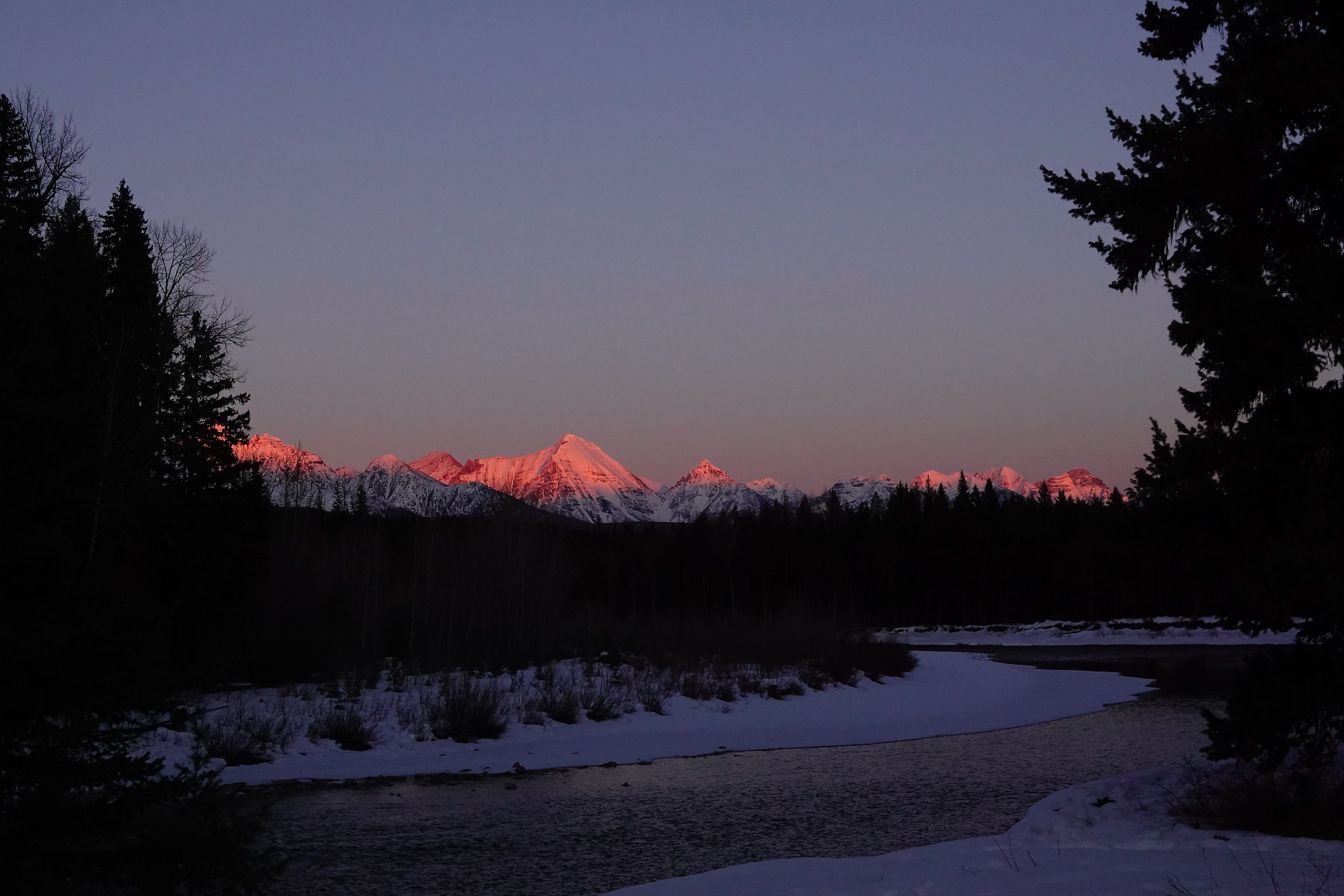
Alpenglow on the peaks of Glacier National Park above the North Fork of the Flathead River, March 6, 2025, 7:27 p.m.

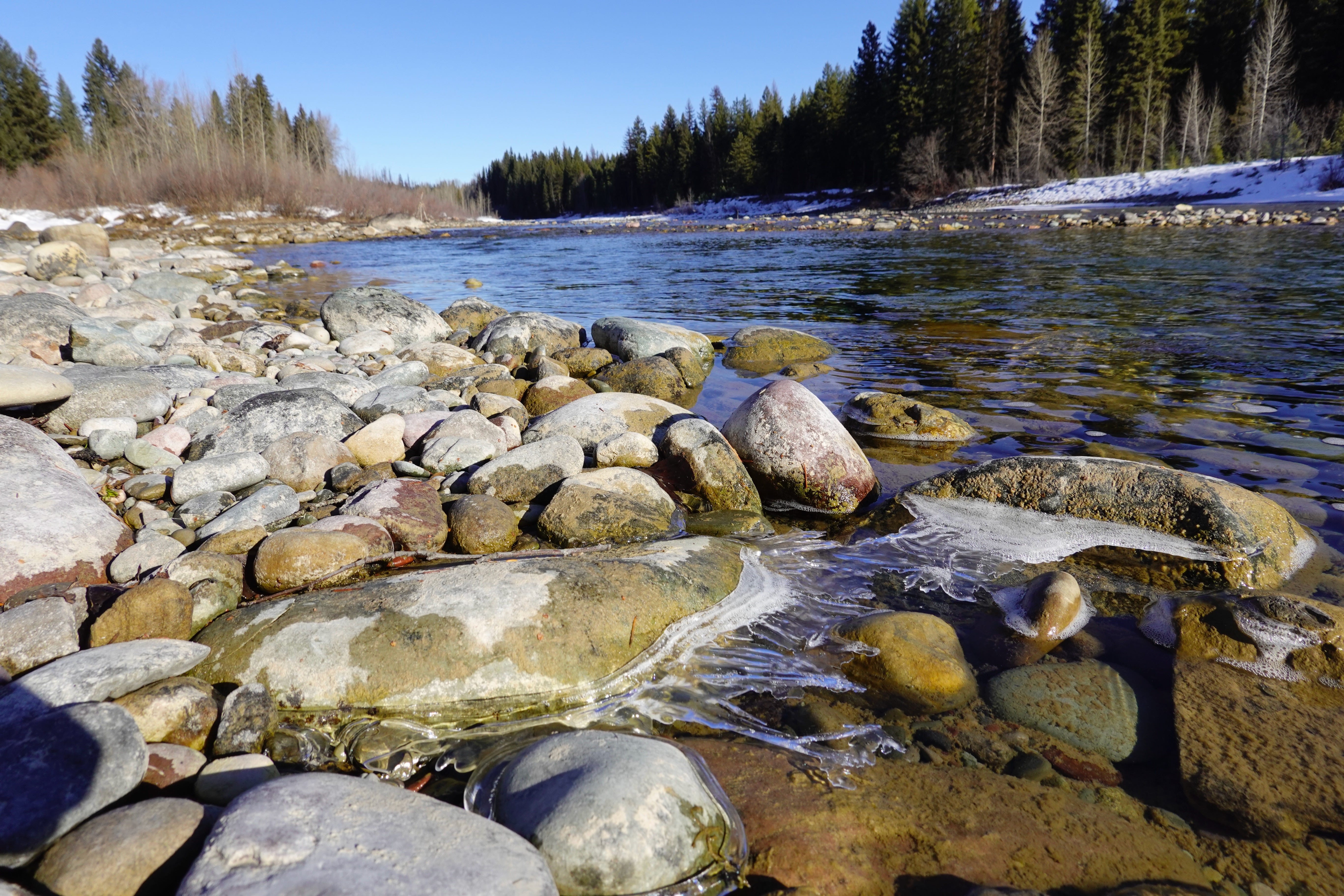
I’ve taken so many pictures of this particular curve of this particular river I couldn’t begin to count them. Pictures of sunrise from behind those mountains, of the rocks and ice where I sit to watch that sunlight grow hour by hour before finally flashing above the peaks, my scorching coffee pouring heat back into what a frozen early-morning river dip has snatched away.

Pictures of alpenglow, that rose quartz soaking the snow and rock, the late-struck sunlight from the west slipping slowly up and off the mountains as the sky behind turns purple, then indigo, then something dark and rich that takes hours to reach anything like true black, drizzled with stars and blanked by the light of a half-full Moon high in the western sky.

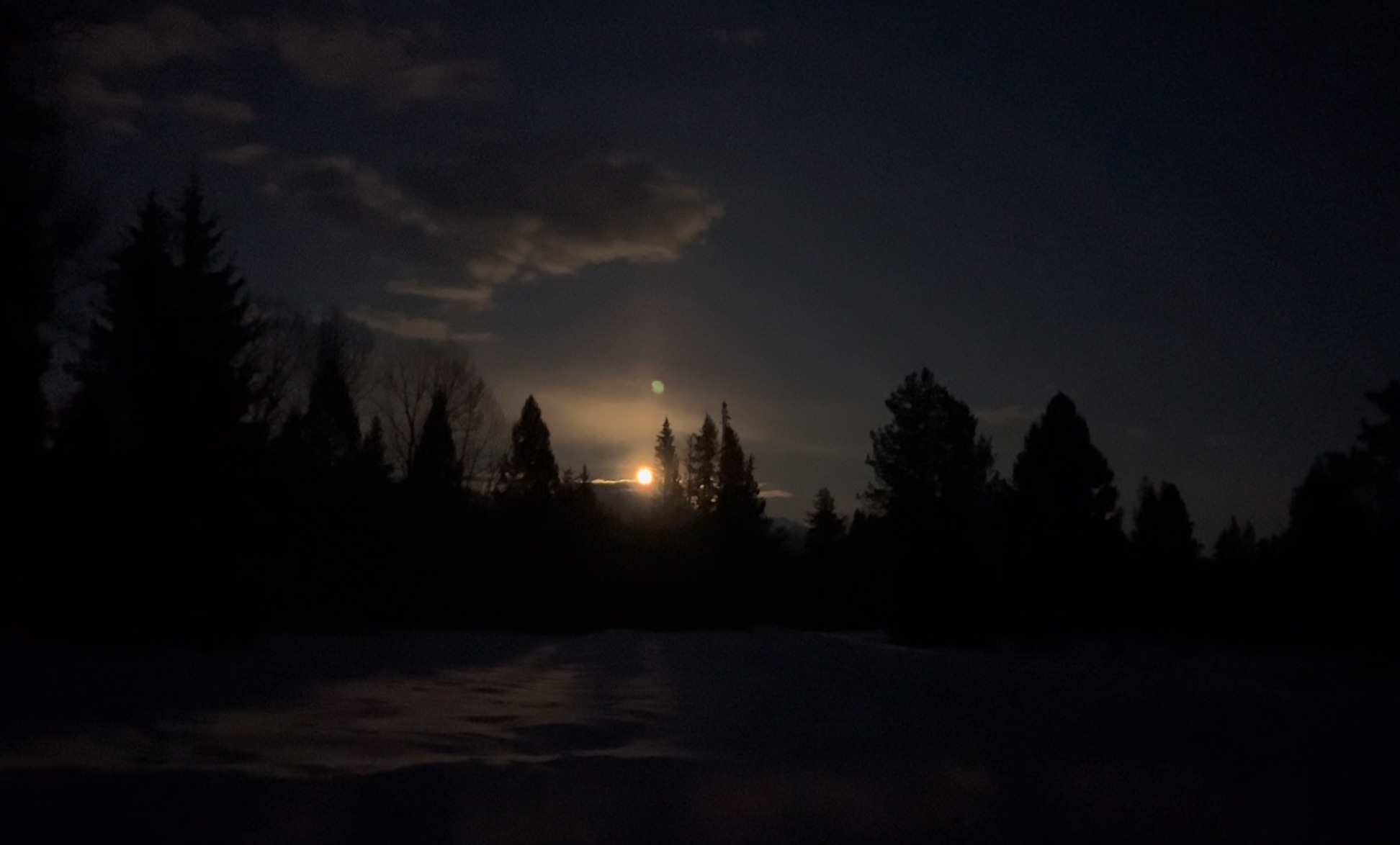
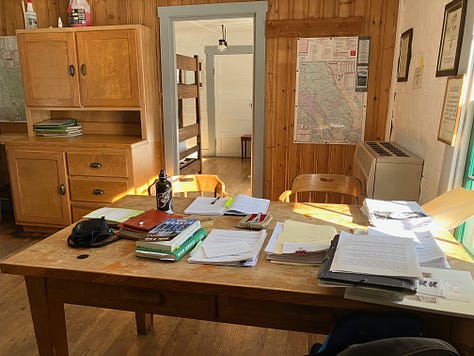
The last two years, I was there this same time but over a full Moon, watching Her rise slowly from the same spot in the east where Sun comes up hours later. I still have a four-minute video of one of those nights, when I sat in the Forest Service cabin embroidering under the single propane-powered light and listening to mice run around the walls.

Full Moon rising over the peaks of Glacier National Park, March 7, 2023, 7:25 p.m.

During my Master Naturalist course a couple years ago, we learned about phenology journals, a way of tracking sightings, behaviors, noticings, and movements of the natural world over the seasons and years. To be able to compare Moon phases and birds, temperature and river’s ice coverage even over three or four years is a little thrilling—for a modern person. For the vast span of human history, in any part of the planet, it would have been expected and shared knowledge, a matter of survival as well as of culture. Such a short time of industrialization, and in that time how much has been lost, how much there is to relearn.

There is something about reminding myself of the Moon phases and bird encounters from last year, and the year before, that has begun to give me a settled sense of belonging to this place where I’ve spent most of my life. A sense of responsibility, even, that I’ve been quietly working on ever since moving back home to Montana in 2014—serving the land and lives I live among starts with knowing them.

While at this most recent offline, off-grid cabin visit, I reread a couple of books I read last fall: How Wealth Rules the World by Ben G. Price (more about that in a future essay), and Wild Service: Why Nature Needs You, edited by Nick Hayes (of The Book of Trespass) and Jon Moses and written by people involved in England’s Right to Roam movement.

Wild Service takes its ethos from the serviceberry tree, an intersection of both worldview and metaphor with Robin Wall Kimmerer’s The Serviceberry—the service is native to both England and North America, and is similarly under-valued by modern industrial culture.

In the introduction to Wild Service, Nick Hayes speaks to the concepts of kinship and belonging, and the book’s overriding theme that there is no “saving nature” (however one interprets that) by placing it in some sort of walled garden never touched by humans. Humans need to re-relationship with nature, re-kin, reconnect. Recommon.

“Recommoning is how we can change this. Recommoning is the idea that all humans can and should have the collective responsibility to care for nature.”

To learn the lands and waters of one’s home, ask permission and feel one’s way into a sense of welcome and belonging, is one of the best antidotes I can think of to a culture and power structures that seem intent on destroying every single bit of good and beauty in the world.

I started going to these forest service cabins, and often camping by myself in the woods, to, frankly, get work done. The life of a caregiver is, as anyone who does it knows, even in the best circumstances characterized by nearly nonstop interruption. When I’m somewhere alone, and especially without internet or phone access, I suddenly have time to read a book, sort through research, brainstorm ideas. Write, edit, revise, edit other people’s work for my copy editing job. Write again.

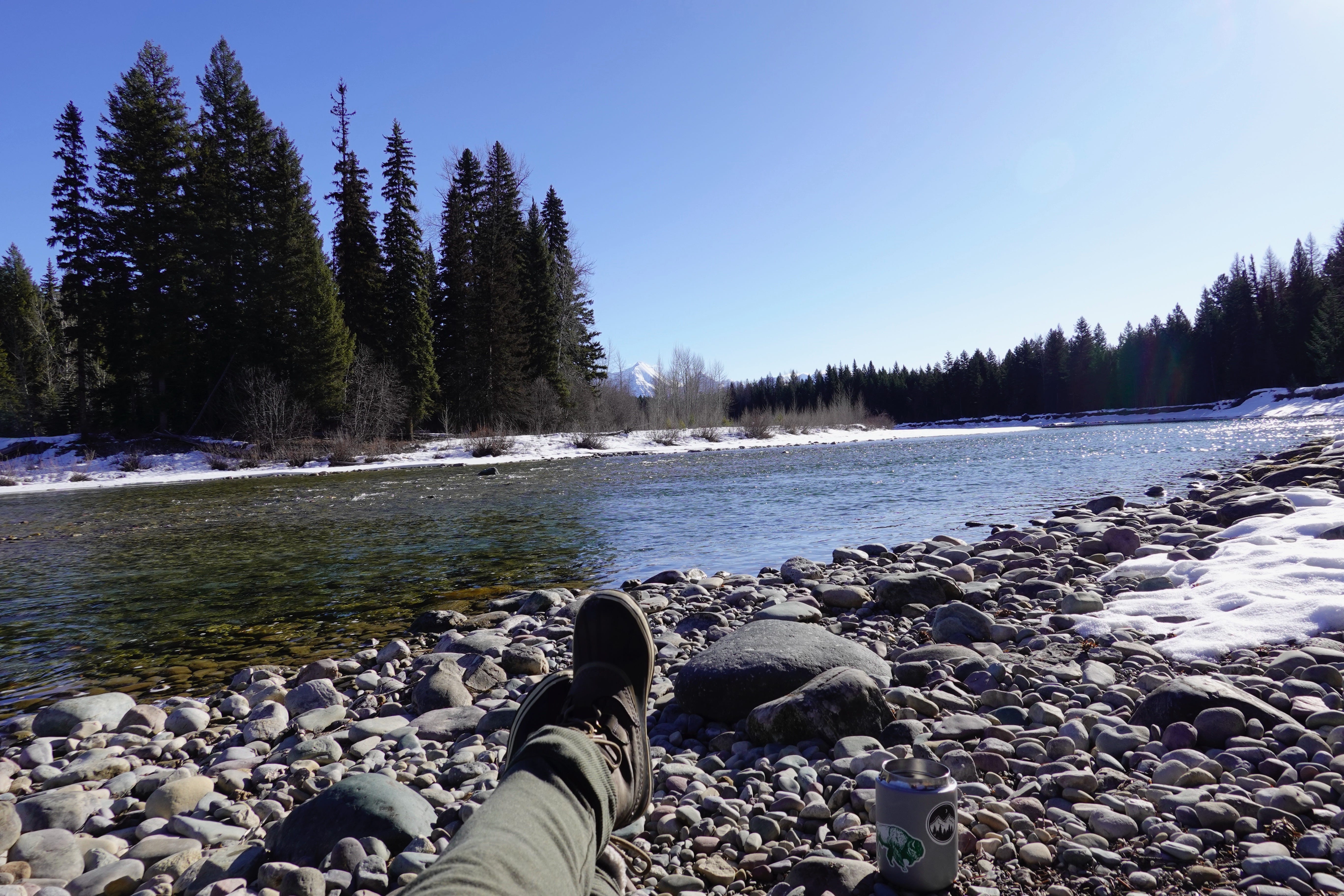
But over the last couple of years I’ve started to let myself spend that time—usually two or three nights—to just be. The last two times I was at that cabin, I lay by the river for up to four hours a day doing nothing but listening to the water run and watching the shift of Sun through the spruce and pine trees. Catching an occasional glimpse of raven or bald eagle, northern flicker or chickadee.

This time, all four were present, along with a pair of Canada geese and some Canada jays (Canada seemed to be in the air, go Canada).

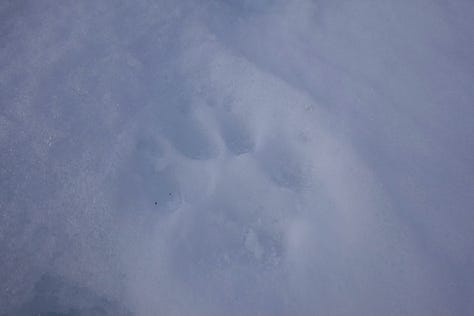
And one day, there was a wolf.

I had lingered by the river at sunset, as usual, and that night it snowed. The next day, toward sunset again, at that same spot, I almost walked right over fresh wolf tracks in the fresh snow. Struck still in amazement—we must have been there within hours of each other, if not minutes—I followed them down to the river, where the wolf had probably taken a drink of water not twenty feet from where I’d been sitting much of the chilly afternoon.

The next morning, I followed the tracks a little way back into the forest, toward a spot I’d camped above the river one hot weekend the previous August. I didn’t go very far, not wanting to disturb or stress the wolf or wolves, since they prefer to keep their distance from humans when given the choice.

I’ve been going to that cabin and river for years and though I know wolves live in the area—the packs there originally repopulated those mountains from Canada over 40 years ago, as local wildlife biologist Diane K. Boyd writes about in her recent memoir A Woman Among Wolves—it’s a vast, mostly unpeopled, region and I’ve never seen tracks anywhere near that cabin.

A wolf came by. Being a brief part of a wolf’s story is the most thrilling thing that’s ever happened to me there, even counting full Moonrises over Glacier and the time one of the packrats ran off with my best tea strainer.

There is something about these experiences to bring back home, something that eases the chew of guilt at even having the privilege of time itself to go sleep by a river alone for a couple of nights. Of having two flexible freelance careers, a reliable co-parent and an able-enough body and kids who don’t need round-the-clock care. These times make me whole, they keep me human. But due to a combination of early training against any hint of selfishness, and a tradition of service to others from both sides of my family, it nags at me to luxuriate in them.

I tell myself I can do my work more effectively by spending these times away, by having hours and days where influences and rhythms are given by starlight and free-flowing water rather than clocks and news cycles and dinnertimes and the finicky washing machine. I tell myself that, because it helps me feel better about simply doing and being what I want to do and how I want to be for a few days.

I recently read Pico Iyer’s new book Aflame, about the monastery in California he’s been spending time at for decades, and found much to connect with in the conversations he had with people over the years, their struggles with mortality and service, how we live with one another and the world. I keep going back to one line toward the beginning, about the writing Iyer does while staying there:

“The point of being here is not to get anything done; only to see what might be worth doing.”

Which reflects the shift over the years in how I, too, spend my time in these places. There’s a lot I stop caring about or stressing over. Priorities are shaken loose and values realigned. I’ve got one life. How do I care for, and even treasure, the stardust that makes up each of its days, each of its moments? Where is the balance between attending to oneself and attending to the world?

What I often come to on these trips is that anything approaching balance is found in accepting that those two things are often one and the same—a tricky idea with many complications, not least of which is a warping of “attending to oneself” into a wellness culture that too often encourages our own personal little walled gardens and No Trespassing signs.

“Protect your peace” is vital advice, and at the same time a slippery slope. When does self-care turn into selfishness? Yet how much giving or service is too much? At what point does providing support turn into taking away others’ agency? When does focusing on “internal stability” rather than “external security”—which is another way of phrasing Nazi concentration camp survivor Viktor Frankl’s insight that the final freedom is in choosing one’s attitude to external circumstances—turn into accepting injustice? The very real value of self-sovereignty can be weaponized against societal and cultural change the way the idea of “grit” has been in education.

Do any of us have any idea what we’re doing here?

Probably not.

Many times over the years, people have told me that they would not want to imitate these trips, because the prospect of being that alone for that long is too daunting. As someone who’s always been most comfortable in the company of only herself and nature, I try to sympathize, to enter into what it feels like to not crave this alone time as badly as I crave sleep, as I crave gulps of water taken straight from the river, as I crave quiet. I’ve got some frustrating issues going on that have limited more far-flung ventures recently, but in general it’s no feat for me to do this, go to the woods and be alone for a few days, barely a hardship. I sleep best far away from other humans.

Which always leads back into a circular wondering of how selfish taking this time is. I know that coming to these places, holding this time sacred for whatever relationships exist between me and the river, me and the trees, me and the ravens, me and myself, me and that wolf, makes me somehow more human, more real, more alive, and much more capable of managing all the obligations and cares in my life. But I need it, and isn’t it selfish, to take time for what we need?

I know most everyone reading this is generally kind and sympathetic and will say of course not—at least, those of you who comment and email—but it’s a haunting question, embedded in my psyche, that I’ll probably never be fully rid of, and I’m sure I’m not alone in that.

Wild Service refocuses these questions, forcing readers to ask how much we can truly do for the world, or even love the world, if we don’t understand it, don’t know it. While it’s true that over a century of car-centrism and living indoors and, now, digital lives have increasingly disconnected humans from nature, private property and private land ownership did so centuries before, by removing people from their relationship with lands. Recommoning means re-belonging.

“Service is the foundation stone of belonging. While ownership imposes a simplistic, one-way relationship with the land, easily transferable in the passing of deeds, legal spells that confer dominion, belonging takes more work. . . . Belonging is the democratic antidote to despotic ownership, and it requires active engagement with the land, lived experience, knowledge and shared stories.”

If the only answer I can ever find to my own personal quandary is not in words, but in actions—in spending time with family and friends, in laughing and struggling together—and a great deal more in simply learning to belong, letting myself belong, with rivers and starlight, wolves and ravens, basking in Moonfall in the middle of the night under a bare-branched cottonwood tree shaking ice shards and Orion’s Belt off her fingers, in learning to serve the world, and especially the place I live and love, as it is, then I can’t imagine, when I get to the end of my life, I’ll regret having done so, having spent some time to see what, in each of those moments, was worth doing.

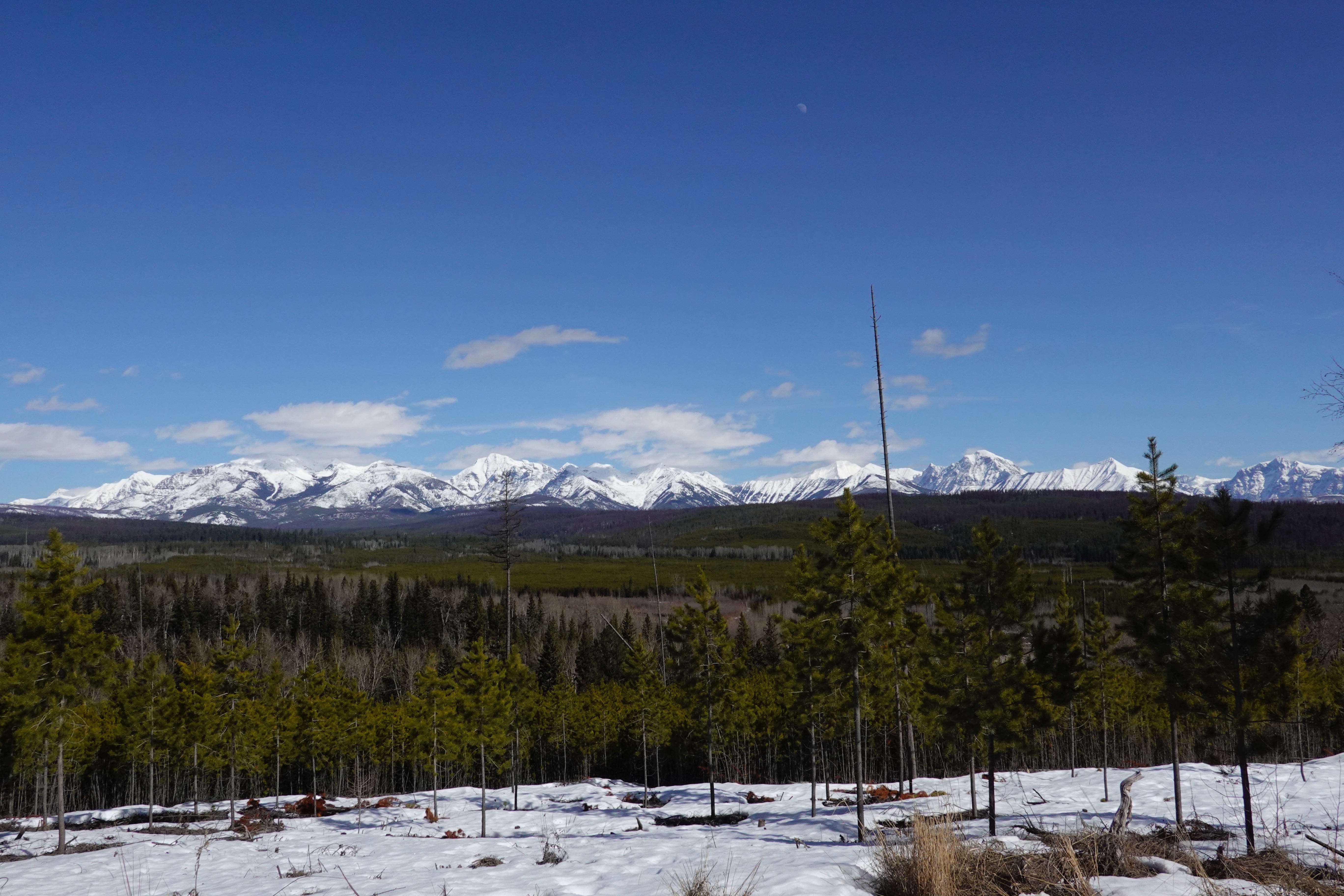
Half-Moon barely visible high over Glacier National Park, where I stopped to watch a bald eagle soar for a long time on my drive out of the North Fork.

The time that is given to us is not for us to choose

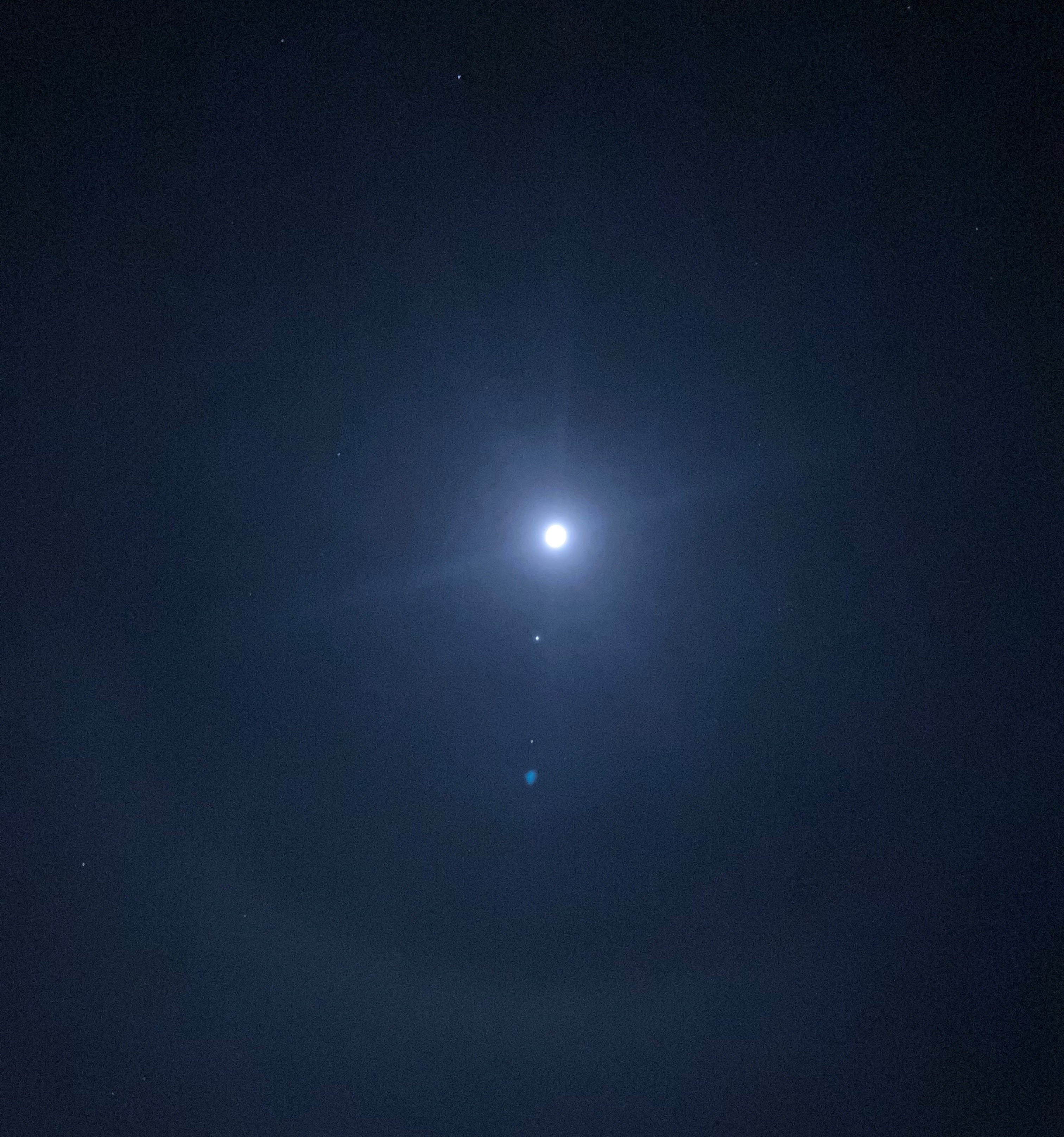
Faint but there: Moonbow

In late 2016, a . . . situation, let’s call it, battered my town. A neo-Nazi site had picked up a disagreement over a local building’s ownership, and the result was months of online and telephoned threats to many people in town, one family in particular, and a threatened armed march that we all prepared for but that never materialized. Possibly because it was never going to but also possibly because that was a bitter winter; if I remember, the day of the proposed march was -17°F (-27°C).

Reporters covered the situation so thoroughly that for a long time you couldn’t google my town without white supremacists being the top story.

The targets of the attacks were pretty much all Jewish, or even seemingly Jewish. At least one business in town was attacked until the neo-Nazi site’s owner found out the owners weren’t Jewish. The “troll storm” (a term I dislike; it makes it sound like a game and attacks like that are anything but a game) was vicious, and left scars that will probably never disappear.

As the attacks started, a friend asked me for help figuring out if there was a way to protect the identity of one of the victims. I’m not a cybersecurity person or even an investigative journalist, but I tried. I spent a night crawling through 4chan and 8chan threads (I do not recommend this for anybody ever) but it was too late to stop personal phone numbers and names from getting out.

That same week, by sheer coincidence, an op-ed I’d written was published in the Los Angeles Times, tangentially related to the already-ongoing situation. I’d written it because one person had already made my hometown synonymous with white supremacy and, since I’m a writer and had an editorial contact at the paper, writing was all I could think of to help.

That op-ed turned me into a target, too. What I experienced was absolutely nothing like what other people went through. I describe it as receiving barely a splash from a tsunami that hit others with full force. I wrote about that in more detail a couple of years ago, including screenshots of the Twitter posts directed at me, in an essay about the digital commons and the ignorance in thinking that what happens online has no true real-life consequences:

I still had a Twitter account then and kept screenshots of some of what was sent my way, which wasn’t notable for its level of hate, but for the fact that the person writing the posts knew my nickname (which I’d almost never shared online before), my phone number (ditto), and my family’s routines. Which meant they either knew me or knew someone who did. I’ll never forget walking to the elementary school playground day after day, wondering who?

Who had given my phone number and my family’s personal details to white supremacists? It was someone who knew me.

Even before someone posted my phone number on Twitter, before I had much of a personal reason for fear, I was scared. The relentlessness of this “troll storm,” the sheer hate and dehumanization behind it, still makes my skin crawl seven years later. I was scared for my friends and acquaintances, my community. I was scared for what it said about what kinds of forces were being empowered worldwide.

I’m not the only person who coped by drinking a lot, by spending time only with people I trusted absolutely.

I stopped being able to sleep much. I mostly consumed chicken wings and booze. I had been walking or biking my kids to school day in and day out for two years, morning and afternoon, ever since my son started first grade, and was suddenly terrified to be physically outdoors, with them, visible. Being a target myself was bad enough; I didn’t want anybody to know who my kids were.

The day of the march came. None of the threatened participants showed. The town had shut down in preparation anyway, so as to withdraw as much attention from the attendees as possible, and a group hosted a matzo ball soup gathering in an emptied downtown. I wasn’t there. I can’t remember what I did that day—watched The Lego Movie with my kids, maybe, for the tenth time (my choice, not theirs; I enjoy that movie). I think we had a fire going in the wood stove all day. Hunkered down in warmth and seeming safety, even if safety is always a mirage, a veneer. Temporary.

The troll storm faded away but the fears and damage didn’t. Everyone, I imagine, learned something different from that time. Everyone, I imagine, learns something different from all such times.

I’m under no illusions that the threat has faded. Anti-Semitism is perhaps, except for misogyny, the oldest and most universal prejudice on the planet, stretching back through massacres, wholesale expulsions from entire countries, theft of children, and vast, structured oppressions for nearly 2000 years. There’s a reason Daniel Goldhagen titled his book about anti-Semitism The Devil That Never Dies. My grandparents in Russia lived that history. Anton Treuer, known most for his work on Ojibwe language and culture revitalization and his YouTube channel featuring an Ojibwe Word of the Day, but whose father was Austrian Jewish, has said that the scope and scale of this history should make Jews, of all people, most acutely aware of the injustice and horror of oppression and genocide.

If it’s not anti-Semitism, there are plenty of other targets for hate, fear, and power-hungry greed, as likely everyone reading this already knows.

Everyone, I said, learns something different from these times, is damaged differently and finds different ways to cope. I’m not here to tell you how you should feel when times are frightening or worrying, or that your fears or worries are greater or lesser than another’s. I can only share my own story. Really, that’s all any of us can do.

The troll storm and threats happened just a couple of months after I signed the book contract for A Walking Life. That time had a lot to do with the parts of the book that focus on social capital, social and interpersonal trust—including their fragility and how authoritarians can weaponize them—and the ways in which authoritarian regimes use loneliness and a sense of isolation to fracture the power of resistance, a dynamic that Hannah Arendt covered decades ago in The Origins of Totalitarianism.

In times like these—in all times—trust is essential. But it is easily broken and easily coopted, especially with the reach of the online world we now live with. One of the things that came through during those months, for me at least and this is part of why I wrote about community and interpersonal trust so much in my book, is that the voices I’d followed online, or in national or international news, were most often almost powerless to help my community, and in some cases caused more damage than good, even when well-intentioned. And not all of them were well-intentioned.

Lauren Hough recently wrote a brilliant piece mentioning the creation of “an entire industry of resistance grifters” after the 2016 election, and Dr. Len Necefer, founder of NativesOutdoors, also recently wrote something addressing that idea more directly:

It’s worth pausing to ask yourself: Why do you follow the influencers you do? This question isn’t about what they say or how they frame their ideas but about the underlying mechanics of why they have your attention in the first place.

I added the emphasis in Necefer’s because it strikes me as an essential question each of us needs to ask ourselves, especially when we’re living with uncertainty and looking for direction.

Both those pieces are necessary reminders of the power of attention, how it can be manipulated, and how it can be used to others’ advantage.

They’re also reminders that not everything or everyone you already agree with, or who seems to care about the same things you do, is acting with anyone’s interest but their own in mind.

In times like these, it’s tempting, it’s human and natural, to look to others for guidance. But as helpful as that can be, there are risks inherent in it, too. More than once I’ve been an avid follower of a writer who seemed to articulate my own thinking to me, who seemed to care about the things I cared about, only to watch that person grow in success and lose their mask, become more truly themselves—prejudiced in various ways, desirous of power over others, unwilling to promote a cause or event unless they were its main star. I don’t know whether enormous ego is born from mass attention and some level of success, or if ego is drawn to the same and feeds off of it, but I’ve watched it happen to enough people whose work I used to like and ideas I used to look up to—during that “troll storm” and again as Covid spread over the world—that I began to question my own judgment. I see it happening again now.

Voices and people we trust can be corrupted by the lure of power and influence, by the attention of masses, and they can forget, if they ever knew, why their work, words, and influence matter. It can happen to anyone. Be wary, is what I’d say, of anyone telling you they’re on a divine mission, especially if they’re asking you for money.

We are all unique, brilliant beings with our own purposes, full of hope and doubt and hidden shadows most of us don’t like to acknowledge. If any one human has a divine mission, we all do. But maybe none of us do. Maybe being alive, being able to touch and smell and love the world, is enough. And no matter how charismatic, how compelling, how persuasive, nobody can be you for you any more than anybody can take you from you. Finding a way to believe and understand that with one’s entire being might be an essential survival skill—collectively as well as individually.

There are some books that helped me in the last eight years, books that I turned to to regain perspective and that I might pick up again: We Are the Middle of Forever: Indigenous Voices from Turtle Island on the Changing Earth, edited by Dahr Jamail and Stan Rushworth; The Art of Happiness in a Troubled World, by the Dalai Lama and Howard Cutler; Walking the Ojibwe Path, by Richard Wagamese, Pankaj Mishra’s Age of Anger, bell hooks’s Belonging, and The Unwomanly Face of War, by Svetlana Alexeivitch. They’re books that at least try to eschew generalizations, that insist on the specific, the individual, narratives that question and explore rather than demand or insist. They remind me, in fact, of why I’m such a big fan of good science fiction writers like N.K. Jemisin, Arkady Martine, and Martha Wells. Stories that remind readers that we often know far too little of any other person’s story and motivations, that caution us against assuming we know anything of their lived experience, of who they are.

But I can still only be me, with my own story, so I go back to my ancestors, especially my grandparents, all of whom I’ve been spending more thought-time with recently, looking for guidance and resilience that I know will never truly be found outside of myself.

My ancestors didn’t gift me with much tendency toward hope, and, despite my Russian grandfather being sent to fight on the German front in World War II with one rifle and no bullets shared between three people, not much of a fight instinct. But they did leave me with a kind of determination and—I feel extremely lucky in this—a strange capacity for joy and humor even in the darkest times. One of my favorite quotes, “Blessed are we who can laugh at ourselves, for we shall never cease to be amused,” by an anonymous author, is a personal mantra.

On the nights I allow myself to crumble into tears, fear, and despair, I think of my Russian grandmother as a refugee from the four-year Siege of Leningrad, in the Ural Mountains, her hands bleeding from hoeing potatoes to keep her children and mother-in-law alive, and I look at the pictures I have of her, her soft smile and eyes kind after a lifetime of oppression, prejudice, and hardship. I think of my grandmother in Montana, the decades she spent in Great Falls working as the director of public assistance for three counties, her compassion and absolute dedication to public service, the lives she touched, and the quiet ways she lived out one of her favorite lines: “Those of us entrusted with positions of power must remember never to abuse it by failing to respect those who seek help.” I remember how unassuming and intensely private she was, how much she loved dogs, and the way she smiled, with her whole being, when amongst friends.

I don’t know what the next months or years will bring. But I know what my community has shown itself capable of withstanding and standing up for over the decades, and I know that chicken wings and booze will not erase my fears when they overcome me. Nothing will. (No judgment here—for someone else, chicken wings and booze might work just fine.) My fears and heartbreaks can only be faced with as much strength and compassion as I can muster in between the fallings apart. And with that fragile trust built within actual relationships with actual people. And maybe the occasional basket of tater tots and my newfound addiction to watching tarot readers on YouTube.

Gandalf’s words when Frodo said, in The Lord of the Rings, “I wish it need not have happened in my time” are never not apt: “So do I. And so do all who live to see such times. But that is not for them to decide. All we have to decide is what to do with the time that is given us.

The Substack version of this essay has a recording at the end of my father reading his translation of Aleksandr Kushner’s poem “We Don’t Get to Choose.” I haven’t yet figured out how to include those audio recordings here–apologies!


The starlight of integrity

When I was 19, I watched my father walk into a meeting room with the Chechen mafia. 

My father has run a small coffee roasting business in Moscow, Russia, since 1992—or ran it for 30 years, until Putin invaded Ukraine and also made it illegal for U.S. citizens to have any part in managing a Russian business. Those three decades have had so many wild and surreal stories that I could probably make narrative out of nothing but “running a coffee roasting business in Russia” for the rest of my life. I was there at the beginning, watching my parents and their co-venturists from Montana Coffee Traders rent a building aside the mud-grooved roads behind the Komsomol’skaya train station, where wild dogs roamed and people were always trying to bum papirossi off of me—tiny, harsh cigarettes. I didn’t smoke.

In 1995, I had just finished my first year of college, where I also worked as a barista at a small coffee shop and roaster in St. Paul, Minnesota. The business in Russia was building its first coffee carts: small, mobile espresso stands that they would place in supermarkets around the city. I was there to train some of the employees on how to make lattes, cappuccinos, stiff Americanos—not stiff enough, at first, for all the new customers annoyed that the flavored sugar syrups were non-alcoholic.

The Soviet Union had collapsed shortly after we left the country in 1991, bringing down the Iron Curtain that had kept my father in exile for 17 years and opening up the country to free-market enterprises like this coffee roastery. Oligarchs started claiming the massive profits from state-run enterprises like oil fields and steel factories almost immediately, and the mafia moved in on small businesses shortly thereafter. There was no way to do business in Moscow without dealing with a mafia until years later, when the police figured out their own corruption and bribery mechanisms and took over the mafia’s role.

In the years between when he had to meet regularly with Igor from the Chechen mafia, and when the Moscow police had his phone tapped, my father said something to me that I’ve never forgotten: “How do you do anything as a person of integrity in a corrupt system like this?”

My father’s company has managed to remain solvent throughout decades of social and economic upheaval. It’s stayed small, and still employs many of the people who started there, a small raft of security and honest work in a country where both are scarce. He is also a person of integrity and honesty, whose ethics have been pushed and challenged throughout every single one of those years, into choices that have no right or wrong answers, only a hopeful contemplation of what does the most good.


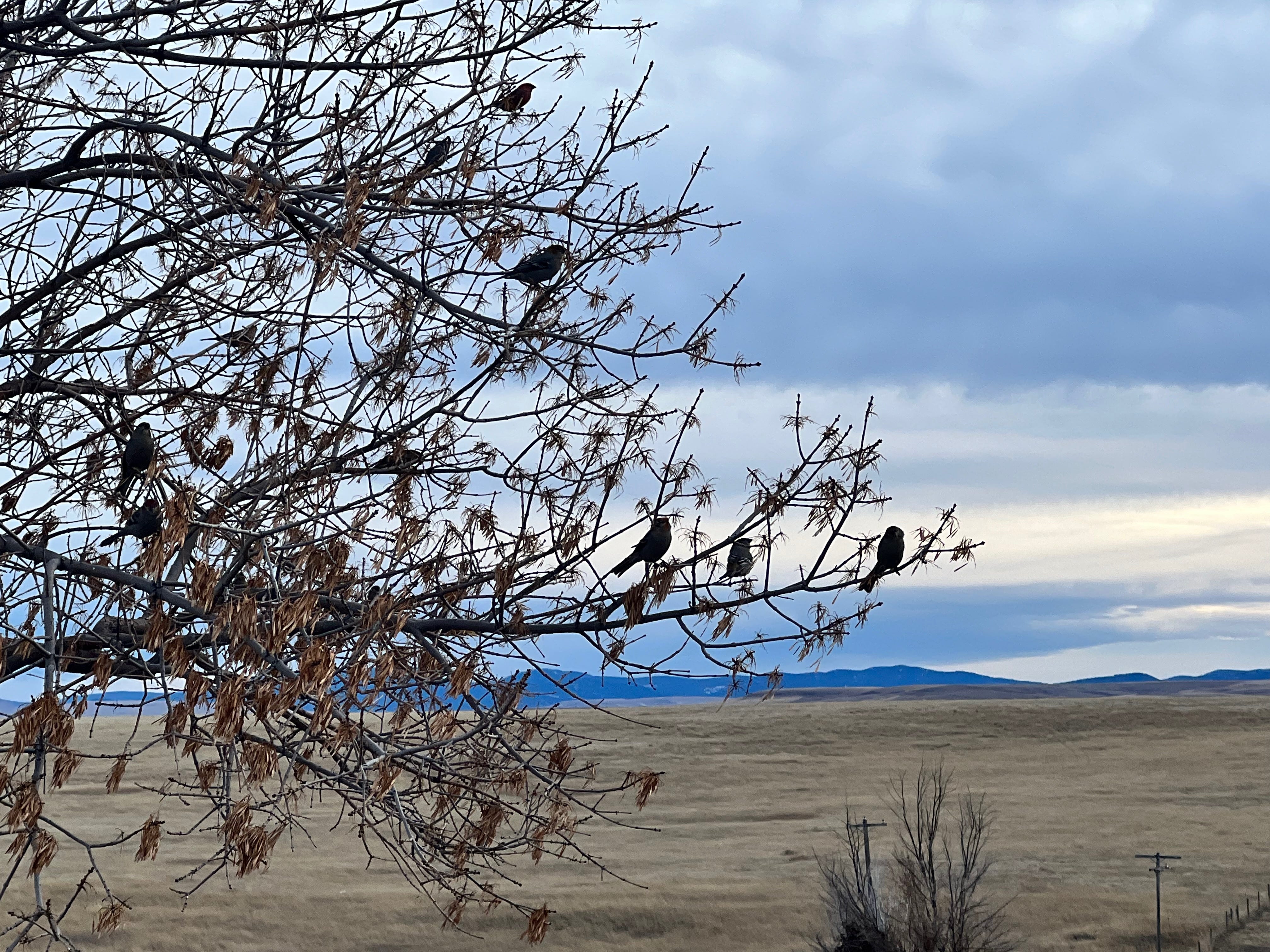
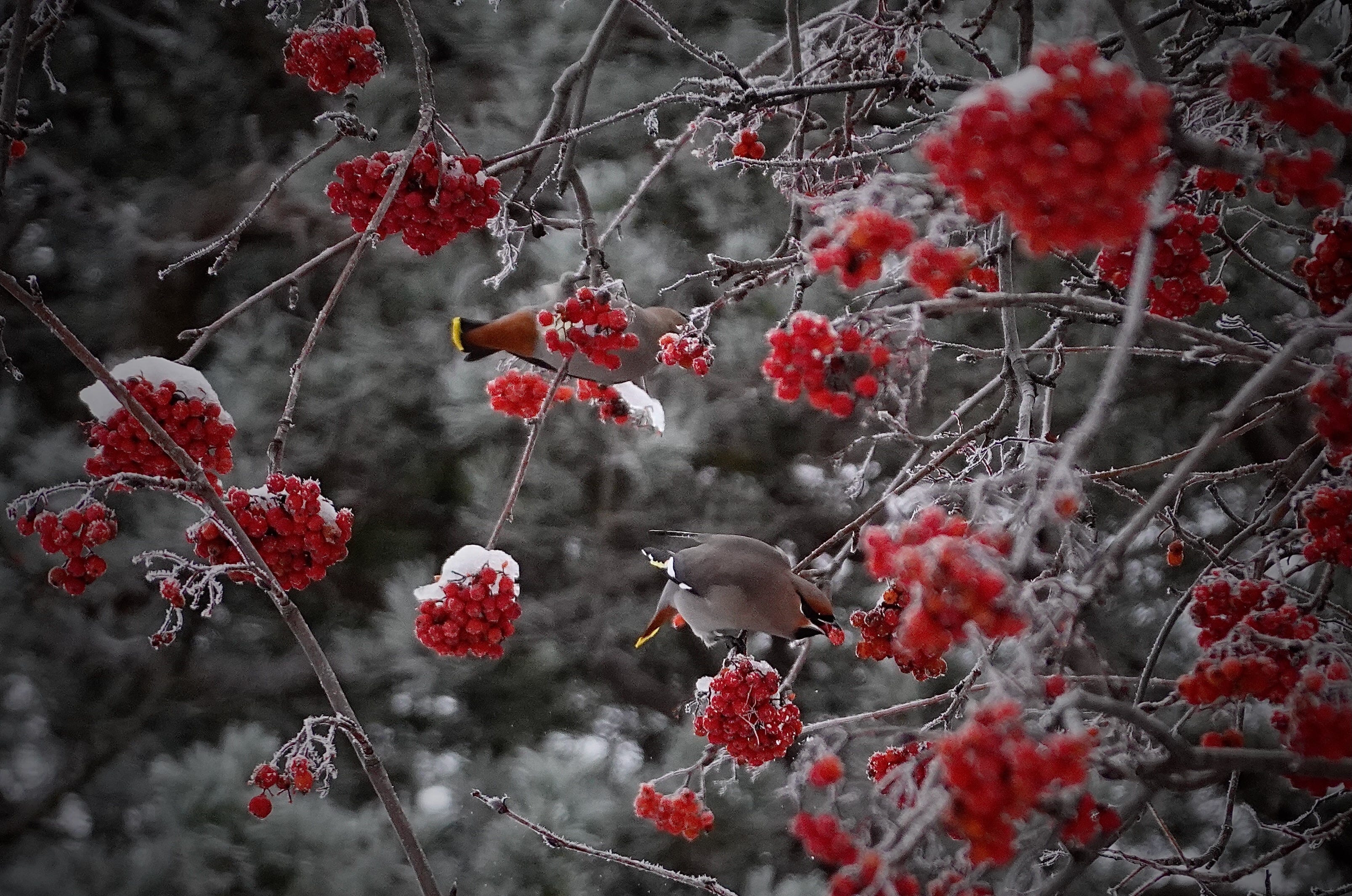
A flock of what I think were Bohemian waxwings kept me company the entire two hours I spent wandering the Old Highland Cemetery outside of Great Falls.

Last week, after a research trip to meet with the archivist at the historical museum in Great Falls, Montana, I joined my family and some friends at a hot springs for solstice. In both Great Falls and at the hot springs, Moon showed up and I can’t tell you how relieved I was to see Her. Especially driving through the mountains toward Great Falls and the prairie and farmland of eastern Montana, out of the low gray skies that are a near-constant in the winter where I live. I hadn’t seen Her, or the stars, in well over a week. I stopped the car at several points to stand in Her light, a moonlight waterfall. Moonfall. 

There was something other-worldly about it, by which I mean this-worldly. The this-world that too much of most of our daily lives washes out and hides from us. The this-world I soak in when I go to forest service cabins or my stepdad’s cabin, far from any electricity, especially electric lighting, where the stars can show their brilliant, miraculous selves. 

I was re-watching The Hobbit the other night, and remembered all the nights, so many nights, I’ve spent in my life under unfiltered starlight, alone or with family or friends. I’ve always thrilled to the elves’ love of starlight in those stories, which I think was described more fully in The Silmarillion but which Tauriel’s lines in the movie bring to life so beautifully:

“All light is sacred to the Eldar. But what elves love best is the light of the stars.”

“I’ve always thought it was a cold light, remote and far away,” said Kili.

“It is memory,” Tauriel responded. “Precious and pure. Like your promise. 

I have walked there sometimes, beyond the forest and up into the night. I have seen the world fall away, and the white light forever fill the air.”

I have seen the world fall away. That is what happens when I’m out there those nights, walking out or simply looking up when sleep leaves for a time to linger in starlight; and at dawn and twilight when the sun rises and sets as if he has all the time in the world—which he does, far more than this world itself has—and the times I’ve seen Moon come up from behind the mountains, as if She were gathering all of existence in Her light. A world that feels whole, one you can wander without fences or property lines, borders or walls, greed or war.

From the hot springs, I drove my younger kid to the Bison Range instead of going straight home. It’s just far enough from where I live that I hadn’t taken them yet, though I knew they’d love the place. We saw bald eagles on the drive in and out—four in total, very active; it’s always awesome, in the older sense of the word, to see them that close—a cluster of buffalo on a distant hill below the low fog line, and a kestrel taking off from a fence post in front of us.

My kid asked a lot of questions about the land and the bison, questions I couldn’t answer without entangling myself in inadequate language. They know about invasion and theft, and the museum at the Bison Range did a much better job than I could ever hope to of describing the history of that specific land, the buffalo herd, and the Confederated Salish & Kootenai Tribes’ relationship with all of it. 

Trying to tell these histories without using the word “own” is difficult, though it’s made easier with someone who already understands the sheer wrongness of ownership, as my kids both do—instinctively, somehow, on their own, having arrived at that belief. Maybe they got it from living in a place where “No Trespassing” and “Private Property” signs are ubiquitous and it’s hard to understand why you can’t just walk where your feet and mind wish to go. Or maybe this is an understanding that is innate to most people, and we have to be taught to think differently. To say, “The federal government used to own the Bison Range and then gave it back to the CSKT” makes absolutely no sense, especially without including the rest of the story, the original theft of all that land, all this land, and more. How can you give back, much less own, what was never rightfully yours in the first place?

The wrongness of it can’t be told enough, or in enough ways, and one of my biggest struggles with the work I’m doing here is finding effective ways to explain, for people who don’t already get it, that wrongness—of ownership itself, and more specifically what it means to take land that all rely on for sustenance and survival, and turn it into private property, into capital. It’s like a rift in reality that many people can perceive but far too many can’t, and I don’t know that we can make much progress in the world until they do.

There’s a display at the museum that shows the effects of the Dawes Act of 1887, also known as the General Allotment Act, which forced reservation land into individual private ownership and demanded that any reservation land not subsequently owned by individual Native Americans be open to white settlement. The display shows the erosion of land by mostly white settler private property claims more clearly than anything I’ve ever read. It’s startling every time I look at it, even though I know that history, and even without considering the travesty of justice that “reservations” are to begin with. 

There is no owning here, no gentle waves of agricultural settlement that are ubiquitous in U.S. history stories. There is only taking. Like everywhere else in the world where “landed property” is a legally protected value. There is only theft, violence, and the power to defend it. Visiting the Bison Range is a reminder of this, and of what all this land could be again. A world made whole.

Sunrise over the frozen river last March from near the cabin I stay at most often.


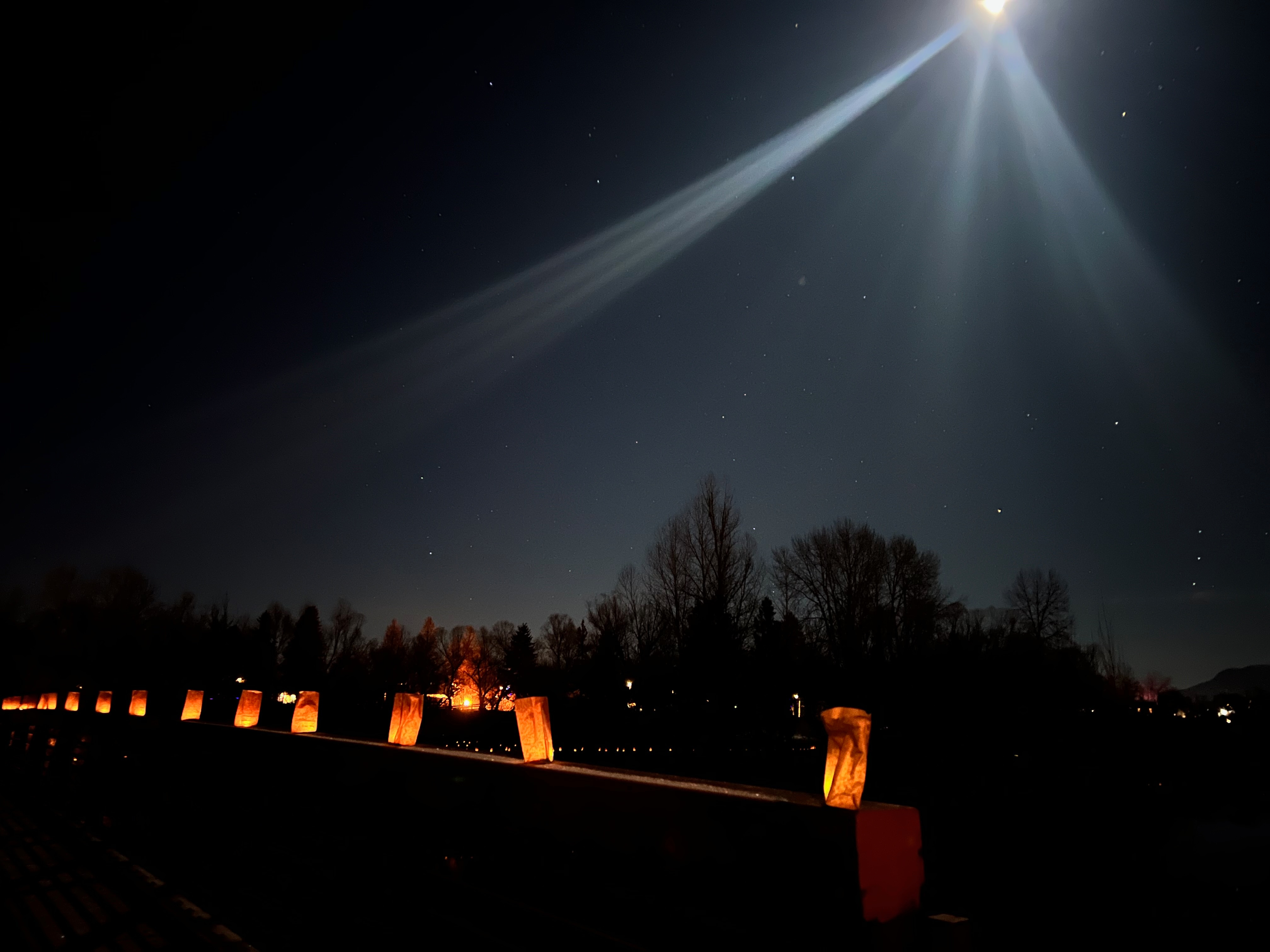
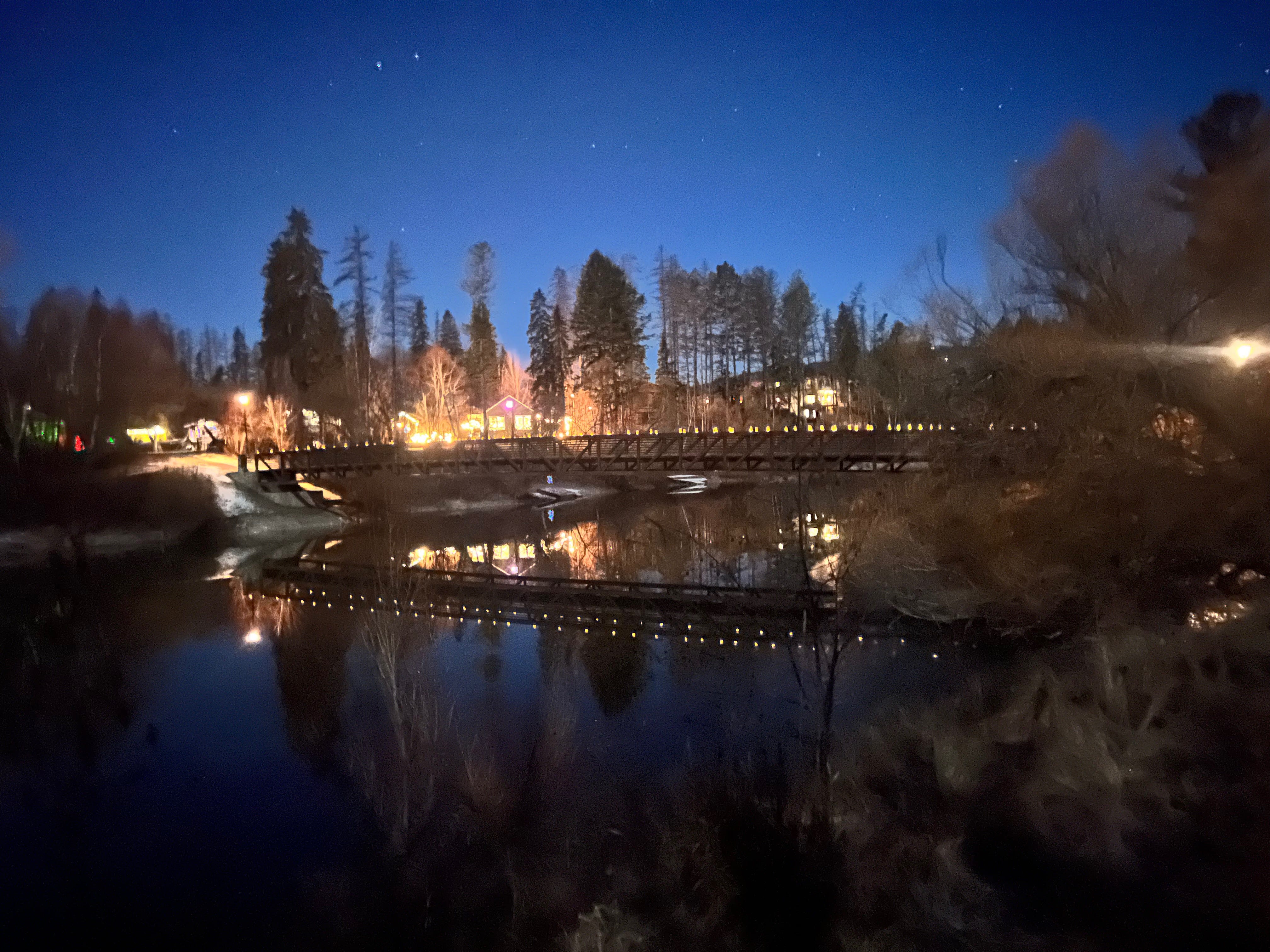
Every year there is a Luminaria near where I live, down by the footbridge that rests over the river. It was begun in honor of people I care for deeply and all the others who care for them, and one another, here. It’s about the only part of the Christmas season I enjoy, and I’ve been grateful every year since I moved back that it’s there, keeping connected all the people who comprise the heart of this community, a place and people that most visitors never see. 

This year I had heard a rumor that it might be the Luminaria’s last because event permitting has become difficult. After saying hello to whole bunches of my favorite people, faces I couldn’t recognize in the dark but whose friendly gaits and voices were familiar, I handed my kid my phone to take photos of the candlelight glittering off the water and settled in for conversation with the person who’d started this tradition, asking him about the permitting issue.

Considering what has been happening in Substack-world regarding monetized publications by Nazis, this person’s explanation felt almost ironic: in late 2016 and early 2017, my town was terrorized through an online neo-Nazi hate campaign, with people in the Jewish community specifically targeted for death threats, including months of personal phone calls and emails. I don’t really want to go into it more specifically again. I wrote some about it and its effects on me here (trigger warning for anti-Semitism), but, as is the case with her response this week to Substack’s Nazi issueAnne Helen Petersen’s reporting on what happened, from when she was still at BuzzFeed, remains the best I’ve seen.

The reason that getting a permit for the Luminaria is difficult now is because the city revamped its block party and event permitting process in the wake of the threatened neo-Nazi march at that time. The march never occurred but the threat is ever-present.

Though I was appointed to the Board of Parks late last year, I don’t yet know all the details of how these permits work—we spend a surprising amount of time trying to figure out how to mitigate damage to Depot Park’s grass from the annual Oktoberfest—but am personally very interested in making sure we can keep the Luminaria going.

These gatherings are important. Maybe you have a similar tradition where you are, or one around Solstice, or harvest festivals, or religious or spiritual or ancient practices I know nothing about. Or maybe they exist near you and you’re not aware of them. These traditions create what’s called culture. They bring people into relationship with one another, and into relationship with this-world. The land and water, animals and moonlight. 

Like walking, traditions and rituals remind us that we are animals evolved in relationship with this planet, with the life and light that co-create existence.

I was thinking the other morning about my father’s struggles with how to maintain integrity in a corrupt and unjust system, and the struggles that all of us face at one point or another with our ethics, morals, and values, and I remembered something Tyson Yunkaporta, author of Sand Talk, said in an interview once:

“We’re at the beginning of a thousand-year cleanup. What generations to come will need most is good stories, and good cognition.”

Good stories and good cognition. I think about that a lot now, and something 

Swarnali Mukherjee wrote recently in an essay about the colonial history of tea in India:

“Are we all also not fireflies, sending coded signals across the continuum of space and time by beaming our light into the quantum of gift we leave behind in our pursuit to build a better world, in pursuit of finding others who can decode the signals, who can see our light?”

Good stories and good cognition are like fireflies, or the lights of the Luminaria, sending signals of understanding and solidarity across the night, their seasonality hinge points as this planet, this-world, makes its annual circumambulation of the sun, whose light makes all of our lives possible. 

Not every question has an absolute answer. But we can each of us try to be a firefly, a candle’s small flame, sending our solidarity across space and time. Or at least I can try, try my best to be a light—starlight brought by memory.

My kid took this photo, of the footbridge with its Luminaria lights and their reflection in the river, starlight above. I was very impressed!